
 русский
 Français
 Español
 Deutsch
 عربى
عربى
Why Do You Need a Portable Electric Shaver for Travel and Everyday Grooming?
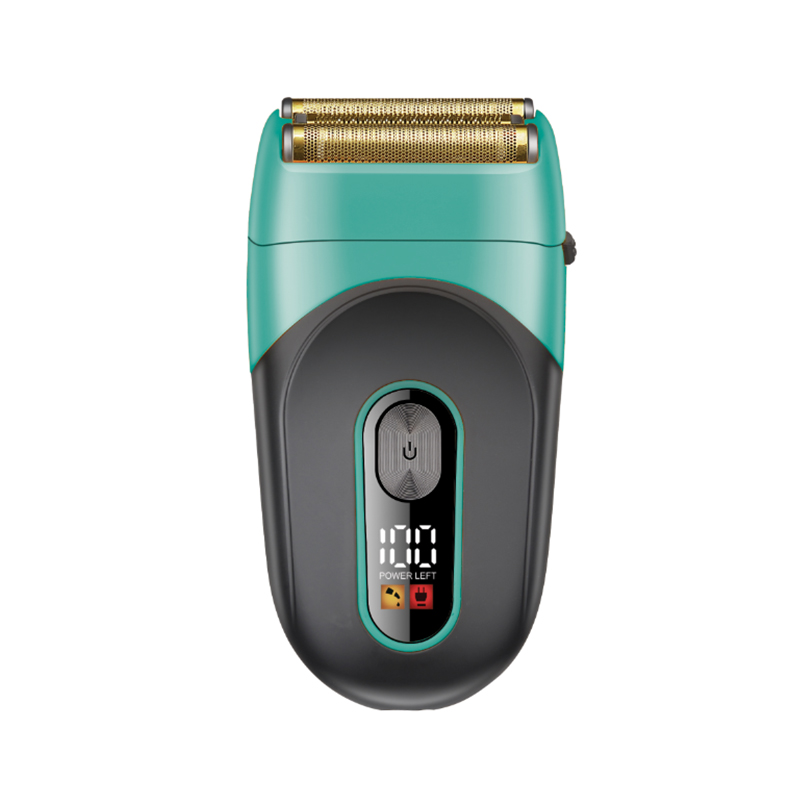
What Is a Portable Electric Shaver and How Does It Work?
A portable electric shaver is a compact, battery‑powered shaving device designed for easy transport and quick use. It typically features a rechargeable battery, a lightweight design, and a protective cap or case to prevent damage during travel. Unlike full‑sized electric shavers, portable models prioritize size and weight reduction, often sacrificing a few advanced features but maintaining core shaving performance.
Electric shavers generally fall into two categories: foil shavers and rotary shavers. Foil shavers use a thin, perforated metal foil that traps hair and cuts it as it passes over oscillating blades underneath. They are known for delivering a close, precise shave, especially on shorter hair. Rotary shavers use circular, spinning blades covered by a protective outer screen; they are better at following facial contours and handle longer hair more effectively.
Portable electric shavers are powered by internal batteries, typically lithium‑ion, which hold a charge for multiple uses. Many modern models feature USB‑C charging, allowing them to be powered from laptops, power banks, or wall adapters. Some even support quick‑charge functionality, providing enough power for a single shave after just a few minutes of charging.
The motor inside a portable shaver drives the cutting elements at high speeds—often 5,000 to 10,000 RPM—ensuring a smooth, efficient shave. Despite their small size, quality portable shavers use the same cutting technology as full‑sized models, ensuring a comfortable and clean shave on the go.
Types of Portable Electric Shavers
Portable electric shavers come in several configurations, each tailored to different preferences and grooming habits.
Foil Portable Shavers
Foil shavers are the most common type for portable use. They feature a straight, rectangular head with a thin metal foil that protects the blades. The oscillating blades behind the foil move side‑to‑side, cutting hair as it enters the slots. Foil shavers excel at delivering a very close shave, particularly on straight, short hair. They are also quieter and generally easier to clean than rotary models. Many portable foil shavers are designed with a slim, pen‑like shape for easy storage.
Rotary Portable Shavers
Rotary shavers have circular heads with spinning blades and are often preferred by men with thicker, coarser, or longer hair. The flexible heads can pivot and swivel to follow the contours of the face, jawline, and neck, providing a more comfortable shave on uneven surfaces. Some portable rotary shavers are compact enough to fit in a pocket, though they are typically a bit bulkier than foil models.
Hybrid and Multi‑Function Shavers
Some portable electric shavers combine shaving with other grooming functions, such as a pop‑up trimmer for sideburns and mustaches, or a built‑in nose/ear hair trimmer. These all‑in‑one devices are particularly popular among travelers who want to minimize the number of tools they carry.
USB‑Powered and Waterproof Models
Many portable shavers now feature USB‑C charging, allowing them to be powered from virtually any USB source. Some are also fully waterproof, making them suitable for use in the shower or easy to rinse under running water. Waterproof models are especially convenient for wet shaving with gel or foam, which many users prefer for sensitive skin.
Key Features to Look for in a Portable Electric Shaver
When choosing a portable electric shaver, several features can make a significant difference in your shaving experience.
Battery Life and Charging: Look for a shaver with a battery life that matches your usage pattern. A good portable shaver should provide at least 30‑60 minutes of shaving time per charge, which translates to several shaves. Fast‑charging capability (e.g., 5‑minute quick charge) is also valuable for last‑minute needs. USB‑C charging is the current standard, offering convenience and compatibility with most modern chargers.
Shaving Head and Blade Quality: The cutting system determines the shave quality. High‑quality stainless steel or titanium blades stay sharp longer and provide a closer, more comfortable shave. Some models feature self‑sharpening blades that maintain their edge over time. Check if the heads are replaceable—this extends the shaver's life.
Ergonomics and Grip: A compact, lightweight design is essential for portability, but the shaver must also be comfortable to hold and control. Look for rubberized grips or textured surfaces that prevent slipping, especially when using wet hands.
Wet/Dry Capability: If you prefer shaving in the shower or with shaving cream, choose a waterproof model (IPX7 or higher) that allows wet and dry use. This also makes cleaning easier.
Trimmer Attachment: Many portable shavers include a pop‑up trimmer for edging sideburns, mustaches, and beards. This added versatility reduces the need for a separate trimmer.
Cleaning and Maintenance: Easy‑to‑clean designs save time. Look for models with removable heads that can be rinsed under water. Some include a cleaning brush or a self‑cleaning system (though this is rarer in portable units).
Noise and Vibration: Portability often means quieter motors, but some high‑performance models still produce noticeable noise. If you plan to use the shaver in quiet environments (e.g., hotel rooms at night), consider a model with low noise ratings.
Portability Accessories: A travel pouch, protective cap, or locking mechanism prevents accidental activation during transport. Some models also include a mirror or a stand for convenient use.
How to Choose the Right Portable Electric Shaver for Your Needs
Selecting the perfect portable shaver depends on your grooming habits, skin sensitivity, and travel frequency.
For Frequent Travelers: Prioritize ultra‑compact size, long battery life, and universal USB charging. Look for models with a locking feature to prevent accidental power‑on in your bag. A travel pouch is a bonus.
For Sensitive Skin: Choose a shaver with hypoallergenic foils or blades that are designed to reduce irritation. Wet/dry capability allows you to use soothing shaving gels, which can reduce friction. Some models have built‑in skin‑sensing technology that adjusts power based on hair density, minimizing tugging.
For Thick or Coarse Hair: Rotary shavers generally handle longer, thicker hair better than foil shavers. Consider a rotary model with flexible heads that can adapt to the contours of your face. Also, look for higher motor speeds and self‑sharpening blades.
For Easy Maintenance: Waterproof models are easiest to clean—just rinse the head under running water. Check if the shaver has a washable head or a flip‑open design for quick debris removal.
On a Budget: Affordable portable shavers can still deliver decent performance. Focus on basic features: good battery life, sharp blades, and a reliable motor. You may sacrifice some advanced features like multiple speeds or LED displays, but a basic model may be all you need for occasional use.
Read user reviews and consider reputable brands known for quality and customer support.
How to Use a Portable Electric Shaver Correctly
To get the best shave and extend the life of your portable electric shaver, follow these best practices.
Prep Your Skin: For a dry shave, ensure your skin is clean and completely dry. For a wet shave, wash your face with warm water to soften the hair and open pores. Apply shaving gel or foam if desired.
Shave with Light Pressure: Let the shaver do the work. Pressing too hard can irritate the skin and clog the blades. Glide the shaver gently over your skin in smooth, overlapping strokes. For a foil shaver, use straight, back‑and‑forth motions; for a rotary, use small circular motions.
Shave Against Hair Growth: For a closer shave, go against the grain, but be careful on sensitive areas—a second pass with the grain may be more comfortable.
Stretch the Skin: In areas like the neck and jawline, gently stretch the skin to create a flatter surface, which helps the blades cut closer.
Clean After Use: Remove the head and tap out loose hair. Rinse under running water if waterproof. Allow to dry before storing.
Charge Regularly: Even if not in use, charge the battery periodically to maintain battery health. Avoid fully draining the battery before recharging.
Maintenance and Care for Longevity
Proper maintenance ensures your portable electric shaver remains effective and hygienic.
Clean the Blades: After each shave, remove the foil or rotary head and tap out hair. Use the included cleaning brush to dislodge particles. For deeper cleaning, rinse the head under warm water (if waterproof) and allow it to dry completely before reattaching.
Replace Blades/Foils: Over time, blades become dull and foils wear out. Replace them according to the manufacturer's recommendation, typically every 12‑18 months, or when you notice a decline in shaving quality, increased irritation, or tugging.
Lubricate: Some models require occasional oiling of the blades. Use a drop of special blade oil (often supplied) on the blades to keep them running smoothly.
Store Properly: Keep the shaver in a dry place, ideally with the protective cap on. Avoid exposing it to extreme heat or direct sunlight, which can damage the battery.
Battery Care: For lithium‑ion batteries, try to keep the charge between 20% and 80% for optimal longevity. Avoid leaving the shaver plugged in for extended periods after it is fully charged.
Common Problems and How to Fix Them
Even the best portable shavers can encounter issues. Here are solutions to common problems.
Shaver Doesn't Turn On: Ensure it is charged. Try a different USB cable or power source. If still not working, the battery or motor may be faulty—contact customer support.
Poor Shaving Performance: Blades may be dull or clogged. Clean the head thoroughly; if performance does not improve, replace the blades/foil.
Skin Irritation: This can be caused by pressing too hard, using a dull blade, or shaving on dry skin. Use light pressure, replace blades, and try shaving with water or gel to reduce friction.
Battery Doesn't Hold Charge: Over time, lithium‑ion batteries degrade. If the shaver no longer holds a charge for more than a few minutes, battery replacement may be needed—check warranty or seek a professional repair.
Excessive Noise or Vibration: This could indicate loose components or worn bearings. Check for loose screws and clean the blade area. If noise persists, consider professional servicing or replacement.
Portable Electric Shaver vs. Traditional Razor: Which Is Better?
Choosing between an electric shaver and a traditional manual razor depends on personal preference and circumstances. Portable electric shavers offer speed, convenience, and no need for shaving cream or water. They are ideal for quick touch‑ups and travel. Traditional razors provide a closer shave for many users and can be more cost‑effective in the long run, but they require water, gel, and careful handling to avoid cuts. Many men keep both: a traditional razor for their main shave and a portable electric shaver for on‑the‑go touch‑ups.
Frequently Asked Questions About Portable Electric Shavers
What is a portable electric shaver?
A portable electric shaver is a compact, battery‑powered shaving device designed for easy transport and quick, convenient grooming. It typically features a rechargeable battery, lightweight design, and a protective case or cap.
Are portable electric shavers as effective as full‑sized shavers?
While they may have slightly smaller cutting heads or lower motor power, many portable models use the same blade and foil technology as full‑sized shavers, providing comparable shaving quality for most users.
How long does the battery last on a portable electric shaver?
Battery life varies by model. Most portable shavers offer 30‑60 minutes of shaving time per charge, which typically covers 5‑10 shaves. Quick‑charge features allow a full shave after just a few minutes of charging.
Can I use a portable electric shaver in the shower?
Only if it is specifically rated as waterproof (IPX7 or higher). Check the product specifications. Many portable shavers are wet/dry compatible, allowing both dry and wet shaving with gel or foam.
How do I clean my portable electric shaver?
Remove the head, tap out loose hair, and use a brush to clean the blades. If the shaver is waterproof, you can rinse the head under water. Dry thoroughly before reassembling.
Do portable shavers work well on sensitive skin?
Yes, many are designed with hypoallergenic foils and gentle motors that reduce irritation. Using a wet shave with a gel can further minimize friction and irritation.
What is the difference between foil and rotary shavers?
Foil shavers use a thin metal foil and oscillating blades for a precise, close shave on short hair. Rotary shavers have circular spinning heads that follow facial contours, better for longer, coarser hair.
Can I replace the blades on a portable electric shaver?
Yes, most models have replaceable foil and blade sets. Follow the manufacturer's recommendations for replacement intervals, usually every 12‑18 months.
Are portable shavers good for travel?
Absolutely. Their compact size, USB charging, and protective cases make them ideal for carry‑on luggage. Many are also approved for air travel.
Do I need shaving cream or gel with a portable electric shaver?
Not for dry shaving. However, if your shaver is wet/dry compatible, you can use cream or gel for a more comfortable shave if you prefer.
How long do portable shavers usually last?
With proper maintenance, a quality portable shaver can last 3‑5 years or more, though blade/foil replacement may be needed periodically.
Can I use a portable shaver on body hair?
While primarily designed for facial hair, many portable shavers can also be used for other body areas. However, some specialized trimmers are better suited for larger areas.
What are the best brands for portable electric shavers?
Well‑known brands include Philips, Braun, Panasonic, Wahl, and Remington. Each offers a range of portable models with varying features and price points.
Can I charge a portable shaver with a power bank?
Yes, if it has USB charging. Most modern portable shavers use USB‑C or micro‑USB, allowing charging from any USB power source, including power banks, laptops, or wall adapters.
How do I prevent my portable shaver from turning on accidentally in my bag?
Use the travel lock feature if available, or slide the protective cap over the head. Some models have a physical lock switch.
+86-574-62151741
+86-13655842900
laituo@google.com
No. 22 Liufang Road, Yuyao Industrial Park, Ningbo City, China
Copyright © Yuyao Laituo Electric Appliance Co., Ltd. All Rights Reserved
OEM/ODM Hair Removal Tool Epilator Manufacturers
