
 русский
 Français
 Español
 Deutsch
 عربى
عربى-
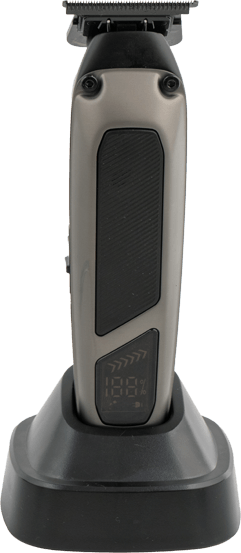
 LT-757 Family Smart Hair Clipper
Electric Hair Clippers
-
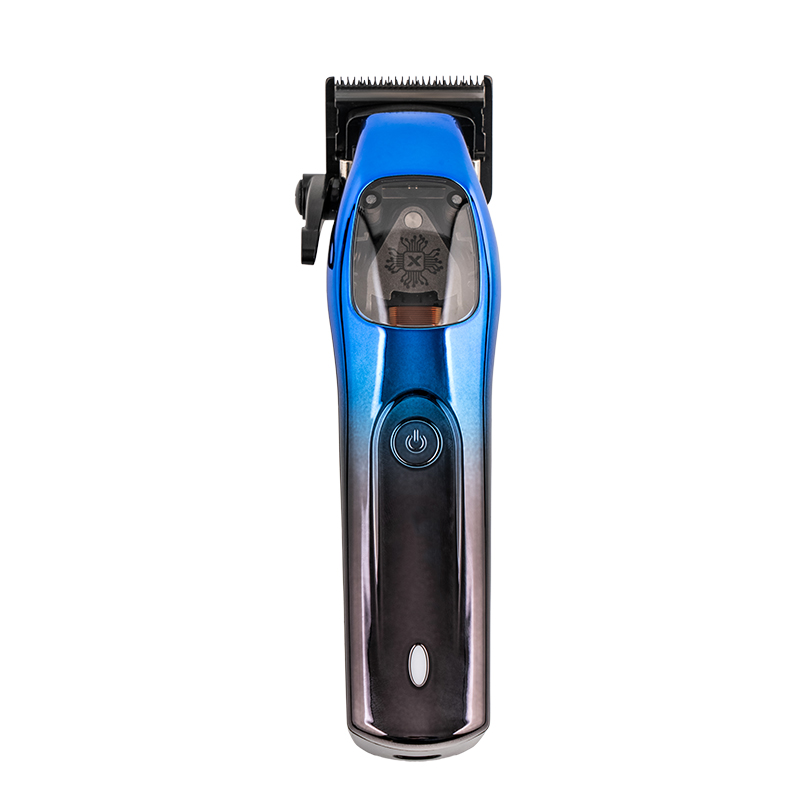
 LT-1258 Precision Blade Hair Clipper
Electric Hair Clippers
-
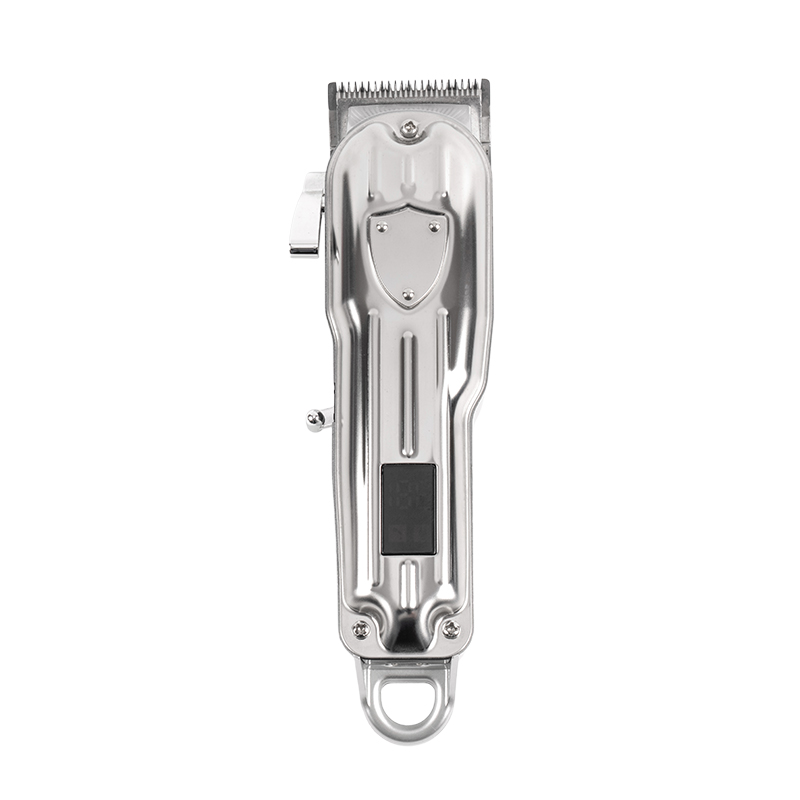
 LT-761 Professional Electric hair clippers For Home
Electric Hair Clippers
-
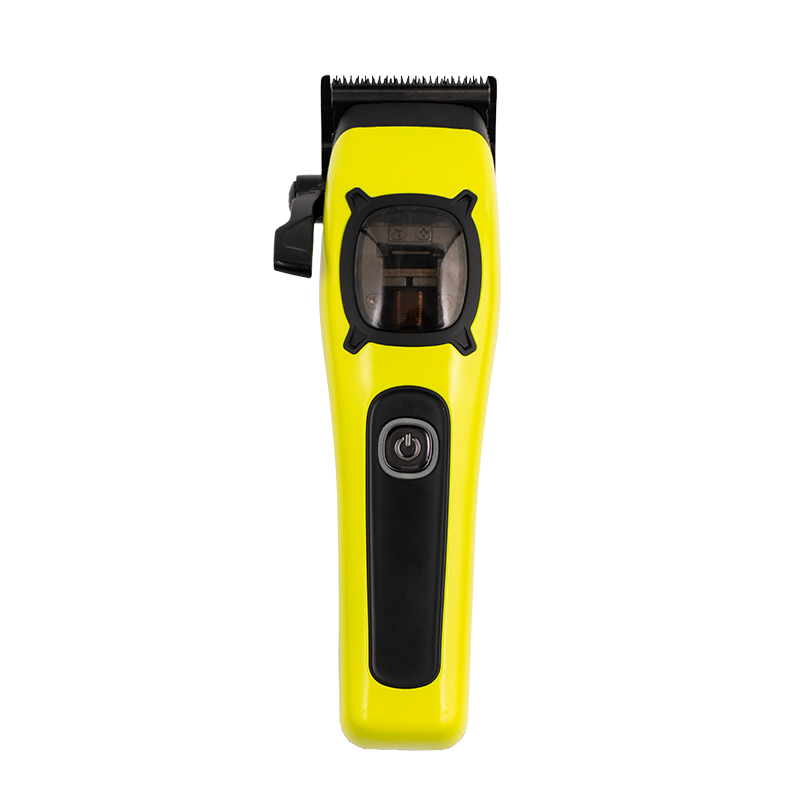
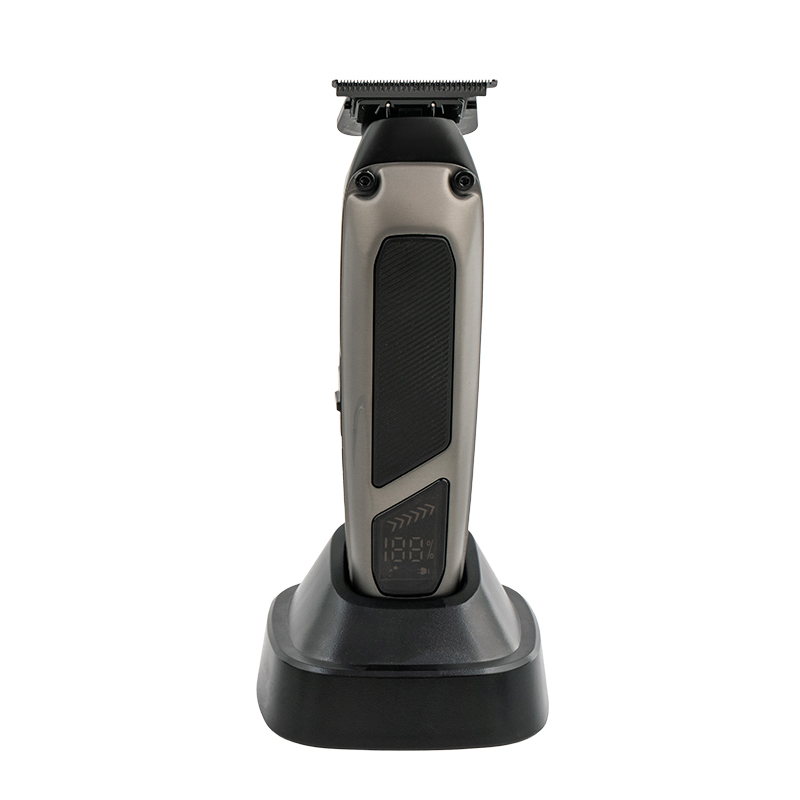 LT-1217 Efficient Quiet Cutting Electric hair clippers
Electric Hair Clippers
-
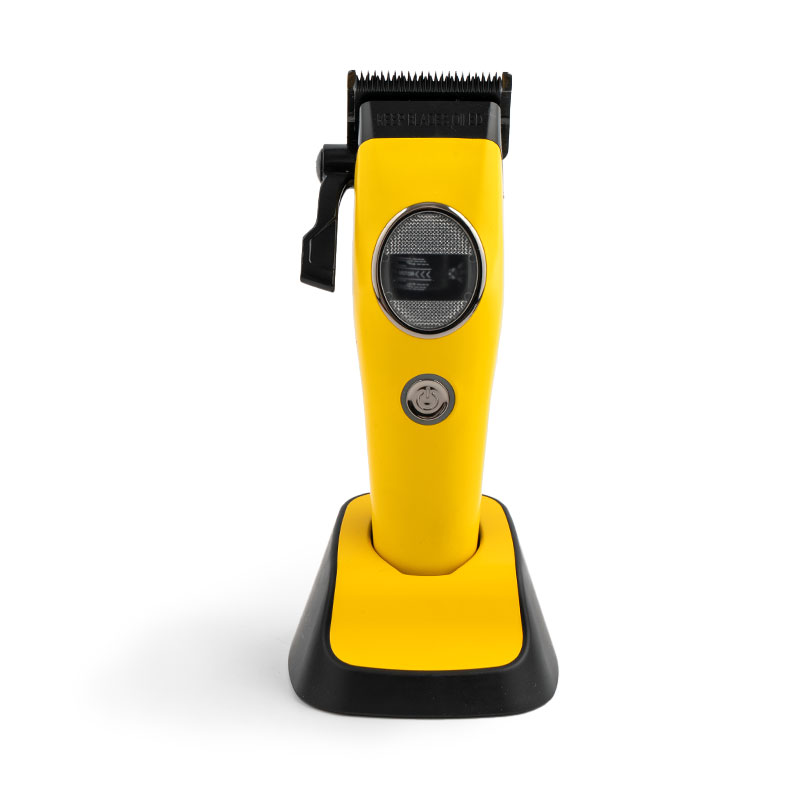 LT-714A Powerful Outer Rotor Motor Electric hair clippers
Electric Hair Clippers
-
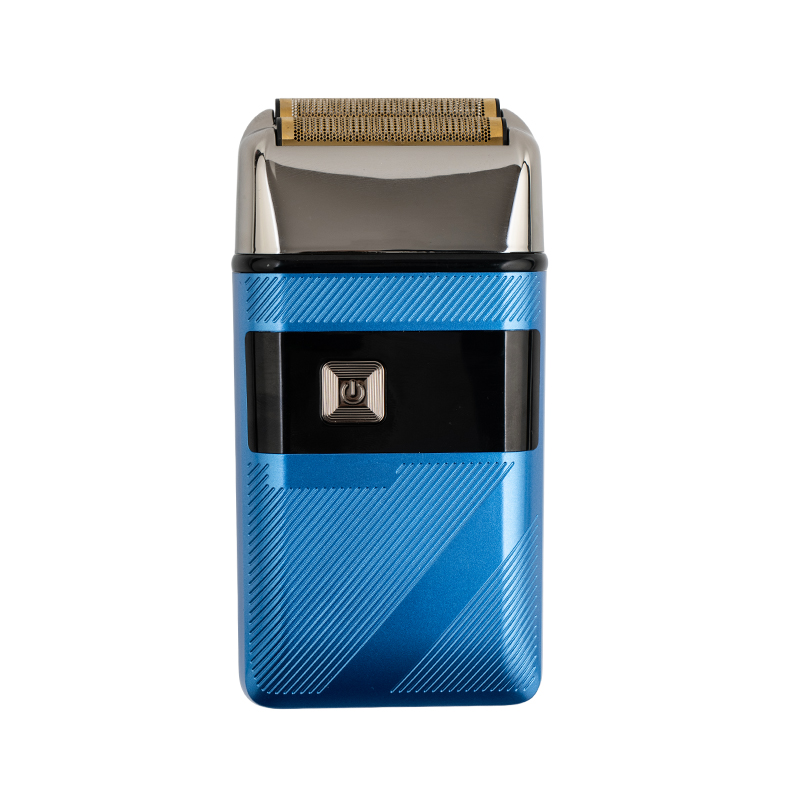 LT-858 Silent Low-Noise Reciprocating Shaver for Men
Electric Shavers
Hair Clippers For Thick Hair
-- Steady & Reliable Manufacturer --
Overview
Hair clippers built for thick hair use a higher-torque motor and a wider blade slot design to maintain consistent cutting speed against dense, coarse hair that can bog down a standard clipper partway through a cut. This page groups the models in this collection built with that added capability, for buyers whose hair type regularly makes a standard clipper feel underpowered or slow.
Introduction
Not all hair responds the same way to clipping, and thickness matters more than many buyers realize when it comes to cutting speed and comfort. A clipper that handles fine or moderate hair well can genuinely struggle with dense, wiry, or tightly curled hair, either slowing down mid-pass, requiring far more repeated strokes to clear an area evenly, or leaving a rougher result than the same clipper would produce on lighter hair. The models grouped here are built specifically to avoid these compromises.
Motor power is the clearest technical difference separating these clippers from standard models. A higher-torque motor maintains consistent blade speed even under the increased resistance thick hair creates, rather than bogging down the way a weaker motor might when it meets a dense patch of hair. This matters because a motor that slows under load doesn't just take longer to finish a cut; it can also pull or snag hair rather than cutting it cleanly, a common complaint specifically reported by users with thick hair using an underpowered clipper.
Blade geometry is the second major factor. Clippers built for thick hair commonly use a wider blade slot, sometimes described as a deeper cutting channel, that lets more hair enter the cutting mechanism per pass rather than clogging or bending away from a tighter opening. Some models also use wider-set teeth on the blade itself, spaced further apart than a standard blade, specifically to handle denser hair volume without jamming mid-cut.
Heat and motor strain over a longer cutting session are worth understanding, since thick, dense hair genuinely takes more mechanical work to cut through than fine hair. A clipper working through this kind of growth runs its motor harder and generates more internal heat than the same clipper would on lighter hair, which is part of why the better models in this category are built with more robust internal cooling and a motor rated for sustained higher-torque operation.
Guide comb fit is a smaller but genuinely relevant detail for thick hair specifically, since a poorly fitting comb can shift more easily when working against denser, more resistant hair pushing back against it during a cut. Combs that snap firmly and securely onto the blade tend to hold their position more reliably under this added resistance than a looser friction-fit design, which matters for maintaining an even result across a full head of thick hair.
Comfort should not be assumed to suffer just because a clipper is built with more cutting power, since the added torque is applied specifically to overcoming hair resistance rather than pressing harder against the scalp. A well-designed clipper in this category should still feel controlled and comfortable to use; it is the hair, not the head, that the extra power is meant to overcome, and the better-engineered models in this group maintain the same ergonomic grip and balanced weight distribution found on standard clippers.
For anyone unsure whether their own hair qualifies as thick enough to benefit from this category, a simple practical test helps: if a standard clipper regularly requires three or more passes over the same section to achieve an even result, or noticeably slows down partway through a cut, that's a reasonably strong signal that a higher-torque model built for denser hair would offer a meaningful improvement. This page brings together the clippers built specifically around this heavier-duty performance, distinct from standard models elsewhere in the collection built primarily for fine to moderate hair.
If you are interested in this product, please complete the following information submitted to us, we will arrange experts to contact you as soon as possible!
Specification
| Parameter | Details |
|---|---|
| Motor Type | High-Torque Motor For Dense Hair |
| Blade Design | Wide-Slot, Wide-Set Teeth |
| Guide Comb Fit | Secure Snap-On Locking Design |
| Battery Type | Lithium-Ion, USB Rechargeable |
| Run Time (Thick Hair, Estimated) | Approx. 45-70 Minutes Per Charge |
| Net Weight | Approx. 200-250g |
Application
- Dense, Coarse Hair: Higher-torque motor maintains blade speed under increased resistance.
- Tightly Curled Or Textured Hair: Wide blade slot design reduces clogging on dense hair volume.
- Fast-Growing, Thick Regrowth: Handles denser regrowth between cuts without bogging down.
- Multi-Pass Reduction: Reduces the number of repeated passes needed compared to a standard clipper on thick hair.
Advantages
- Higher-torque motor maintains consistent cutting speed on dense, coarse hair.
- Wider blade slot design reduces clogging compared to standard clipper heads.
- More robust cooling supports sustained performance during longer sessions.
- Secure guide comb fit holds steady under the added resistance of thick hair.
How To Use
- Select The Highest Suitable Speed First: Start with a stronger setting to clear the bulk of dense hair efficiently.
- Work In Small Sections: Divide the head into manageable sections rather than attempting large continuous passes.
- Let The Motor Do The Work: Avoid forcing the clipper through hair; let the torque handle the resistance.
- Clean The Blade Slot Periodically: Clear trapped hair mid-cut if the blade starts to feel less effective.
- Rinse Or Brush Thoroughly After Use: A full clean is especially important given the higher volume of trimmed hair.
Maintenance & Care
Because these clippers process a higher volume of hair per use, keeping the blade area clear is especially important for maintaining performance.
- After Each Use: Brush out the higher volume of trimmed hair thoroughly.
- Weekly: Remove the blade and clear out any hair trapped deeper in the slot.
- Monthly: Apply clipper oil, checking a bit more frequently than with standard clippers.
- Every 10-15 Months: Check blade sharpness and replace sooner if performance declines.
About Laituo
Laituo Electrical Appliance
Read More
Yuyao Laituo Electrical Appliance Co., Ltd. is rooted in Yuyao, known as the Hometown of Moulds. Leveraging the complete local electronic manufacturing industrial chain, the company focuses on three core product categories: hair clippers, electric shavers and body trimmers. It is a modern personal care electrical enterprise integrating R&D, production and sales. As China Hair Clippers For Thick Hair Manufacturers and Hair Clippers For Thick Hair Factory
the company covers an area of 1,000 square meters, with nearly 100 employees, fully automated production lines and precision testing equipment. It boasts full-process production capabilities ranging from design and development to finished product assembly.
Adhering to the philosophy of Quality as the Foundation, Technology as the Empowerment, the company keeps advancing personal grooming technology. Its Hair Clippers For Thick Hair adopt core configurations such as floating cutter heads and intelligent power regulation, balancing shaving efficiency and skin comfort. All products have passed CE and RoHS certifications, establishing a solid quality guarantee system.
With independent export rights, its products are sold to more than 30 countries and regions across Europe, America, South America and beyond, winning wide recognition from global customers.
In the future, Laituo Electrical will continue to focus on demands of personal grooming scenarios. Through strict quality control and innovative R&D, it will build a more competitive product portfolio, striving to become a preferred partner in the global personal care electrical appliance industry.
CHOOSE US
Why Laituo
-
 Mature Product Platform
Based on a mature architecture, development risks are reduced.
-
 Stable Production Capacity
Standardized assembly processes ensure batch consistency.
-
 Flexible customization support
Supports customization of logo, appearance, and configuration.
-
 Workflow
From sample to mass production, each step is clearly defined and controllable.