
 русский
 Français
 Español
 Deutsch
 عربى
عربى
Complete Guide: What Is the Best Electric Head Shaver for Men and Selection of Premium Hair Shaving Machines
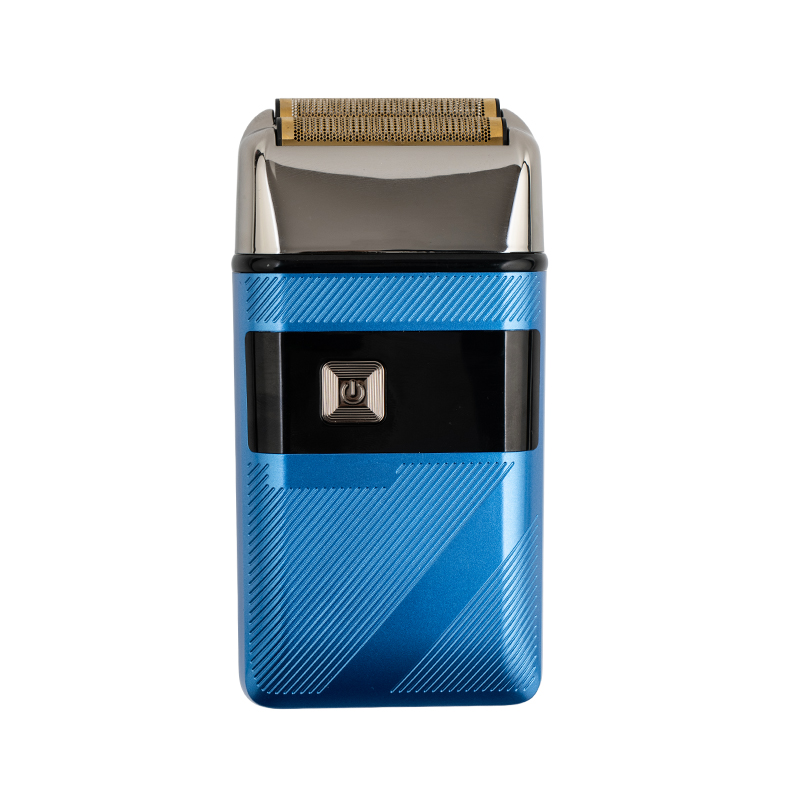
What Is the Best Electric Head Shaver
The best electric head shaver combines rotary or reciprocating blade technology with adjustable cutting lengths, ergonomic handling, and cordless battery operation delivering consistent close shaves across diverse hair types and scalp conditions. Premium electric head shavers manufactured by established companies including leading grooming brands achieve superior performance through advanced motor technology, specialized blade designs, and sophisticated control mechanisms enabling precise cutting without irritation or skin damage. Rotary head shavers featuring three rotating cutting heads prove superior for shaving larger scalp areas with even coverage and minimal repetitive motions, while linear reciprocating designs excel at detailed shaping and precise line work. Quality electric head shavers typically cost $150 to $400 for premium models offering exceptional durability and performance, compared to budget alternatives at $30 to $80 providing basic functionality with reduced longevity. The optimal head shaver selection depends on personal preferences regarding cutting mechanism, desired cutting lengths, intended use frequency, and budget considerations. Professional results require proper technique including appropriate blade angle, controlled pressure application, and methodical coverage patterns ensuring complete scalp hair removal.
Electric Hair Clipper Technology and Cutting Mechanism Types
Electric hair clippers employ distinct cutting technologies creating different shaving characteristics, performance profiles, and user experiences across diverse applications and hair types.
Rotary Blade Technology and Three Head Design Systems
Rotary electric head shavers incorporate three independently rotating circular cutting heads orbiting within fixed outer guards, with each head completing 10000 revolutions per minute providing efficient hair cutting through multiple contact points and continuous blade engagement. This design delivers exceptional coverage efficiency for complete head shaving, with larger contact area accommodating scalp contours and enabling faster shaving completion. Rotary blade systems excel at handling longer hair requiring progressive cutting through multiple passes, with rotating heads automatically adjusting to scalp surface variations and hair density changes.
Linear Reciprocating Blade Systems and Precision Advantages
Linear reciprocating electric hair clippers feature oscillating blades moving forward and backward at speeds exceeding 10000 strokes per minute, delivering precise cutting suitable for detailed work, edge definition, and specialized styling techniques. This reciprocating motion produces exceptionally close cutting surfaces without excessive vibration or heat generation associated with continuous rotation. Linear designs prove superior for maintaining sharp blade edges and consistent cutting performance, with simplified blade geometry enabling straightforward maintenance and replacement procedures.
Motor Power and Cutting Efficiency Relationships
Electric hair clipper motor power typically ranges from 5 to 15 watts, with higher power enabling rapid hair cutting through thick or dense hair without blade slowing or motor strain. Insufficient motor power causes blade slowdown during cutting, reducing efficiency and extending shaving time substantially. Brushless direct drive motors demonstrate superior efficiency compared to traditional brush motors, with reduced friction and longer operational lifespan justifying modest price premiums.
Blade Sharpness and Cutting Quality Maintenance
Premium electric hair clippers maintain blade sharpness for 6 to 12 months with regular use before requiring professional sharpening or blade replacement, with dulled blades producing unsatisfactory cuts and increased pulling or discomfort during use. Advanced blade coatings including titanium and ceramic reduce friction and extend sharpness retention periods. Regular blade cleaning with provided brush tools removes hair accumulation preventing cutting performance degradation.
Best Head Shaver for Men Selection and Usage Applications
Optimal head shaver selection requires matching device characteristics to personal shaving preferences and intended application scenarios.
Complete Head Shaving and Scalp Coverage Requirements
Complete head shaving applications benefit from larger clipper heads measuring 2 to 3 inches wide with rotary technology delivering even coverage without requiring excessive overlapping passes. Curved blade designs conforming to scalp contours eliminate missed spots and gaps common with flat blade designs. Waterproof construction enabling wet shaving without internal water damage provides convenience and improved comfort compared to dry shaving only limitations.
Precision Line Work and Edge Definition Applications
Detailed shaping and edge definition applications require linear reciprocating clippers with narrow blade heads measuring 0.5 inches or less, enabling precise control and clean geometric lines. Fixed blade designs without adjustable cutting guards prevent unintended hair removal and maintain style definition. Extended operating time without battery depletion proves essential for extended grooming sessions incorporating multiple detailed techniques.
Fade and Gradient Cutting Techniques
Creating smooth fades and graduated hair length transitions requires adjustable cutting guards enabling precise length control, with quality clippers offering 20 to 40 distinct cutting positions between complete removal and longer length retention. Smooth transition between guard positions ensures seamless fade creation without visible step lines between cutting lengths. Professional barber grade equipment proves superior for fade work compared to consumer models with coarser adjustment increments.
Skin Sensitivity and Irritation Prevention
Individuals with sensitive scalp skin benefit from specialized blade designs and cutting guards preventing skin irritation, with hypoallergenic materials and rounded blade edges reducing friction and micro abrasion. Cordless operation enabling shaving without electrical cord contact proves preferable for many users. Quiet operation below 75 decibels prevents startling and enables comfortable bathroom use without excessive noise.
Hair Shaving Machine Specifications and Operating Characteristics
Comprehensive understanding of hair shaving machine features enables informed selection optimized for personal requirements and shaving preferences.
Battery Technology and Cordless Operation Performance
Modern hair shaving machines employ lithium ion rechargeable batteries providing 45 to 90 minutes continuous operation between charging cycles, with rapid charging enabling full charge completion within 30 to 60 minutes. Battery capacity directly influences operational time and convenience, with larger capacity batteries reducing frequent charging requirements. Quick charge features enabling 5 minute charges providing 10 to 15 minutes operation prove valuable for emergency grooming situations.
Waterproof Design and Wet Shaving Capabilities
IPX7 rated waterproof hair shavers enable safe operation in shower environments and wet shaving applications, with submersion capability to 1 meter depth for 30 minutes ensuring durability against accidental water exposure. Wet shaving provides enhanced comfort compared to dry shaving, with water softening hair and lubricating skin reducing friction and irritation. Integrated drainage channels and sealed motor compartments prevent internal water infiltration causing electrical failure.
Adjustable Cutting Guards and Length Precision
Quality hair shaving machines incorporate adjustable cutting guards providing 20 to 40 distinct cutting lengths, with precise increments of 0.5 millimeters enabling exact length specification and seamless fade creation. Vacuum sealed guard designs prevent blade slippage ensuring consistent cutting performance across complete head coverage. Quick change guard systems enable rapid length adjustment without tools or extended assembly procedures.
Noise Level and Operating Comfort
Noise levels for quality hair shavers typically range from 65 to 75 decibels, with premium models incorporating sound dampening materials achieving whisper quiet operation below 65 decibels. Excessive noise creates unpleasant user experience and may disturb household members, with premium models prioritizing noise reduction alongside performance. Vibration isolation prevents hand fatigue during extended use periods.
Ergonomic Design and Handling Characteristics
Properly designed hair shavers feature balanced weight distribution measuring 150 to 250 grams preventing hand and wrist fatigue during extended grooming sessions, with contoured grip sections providing comfortable secure handling. Textured grip surfaces prevent slipping even when wet or with lubricated hands. Well balanced designs reduce required pressure and enable precise control without excessive gripping force.
Premium Head Shaver Model Comparison and Performance Analysis
Systematic comparison of leading head shaver models enables identification of optimal choices for specific user requirements and preferences.
High End Premium Model Characteristics and Advantages
Premium head shavers priced $250 to $400 incorporate advanced features including precision engineered rotary heads, intelligent battery management systems maintaining consistent cutting power throughout battery discharge cycles, and multiple accessory attachments enabling diverse grooming applications. Premium models typically offer extended warranties of 2 to 3 years reflecting manufacturer confidence in build quality and durability. Comprehensive accessory packages including specialized guards, cleaning supplies, and storage cases enhance value proposition.
Mid Range Model Value Proposition and Practical Performance
Mid range electric head shavers priced $100 to $200 deliver solid performance suitable for most users, with reliable cutting quality and adequate battery life meeting typical shaving requirements. These models sacrifice some advanced features compared to premium alternatives but maintain acceptable performance across diverse applications. Good durability with service life of 3 to 5 years provides reasonable long term value despite modest feature reduction.
Budget Model Considerations and Limitations
Budget head shavers priced below $100 provide basic functionality suitable for occasional users, with service life typically ranging from 1 to 2 years before performance degradation or mechanical failure. These models often feature simplified designs with fewer cutting length options and reduced battery capacity. Acceptable value for trial use or occasional grooming, though regular users benefit from upgraded models justifying moderate price premium.
Head Shaver Product Comparison Table
| Model Category | Price Range | Cutting Lengths | Battery Life | Service Life |
|---|---|---|---|---|
| Premium Models | $250 to $400 | 30 to 40 settings | 60 to 90 minutes | 5 to 8 years |
| Mid Range Models | $100 to $200 | 15 to 25 settings | 45 to 60 minutes | 3 to 5 years |
| Budget Models | $30 to $100 | 5 to 10 settings | 30 to 45 minutes | 1 to 2 years |
Shaving Technique and Operational Best Practices
Proper technique and methodology optimize cutting results and minimize skin irritation during head shaving operations.
Pre Shaving Preparation and Scalp Conditioning
Preparing scalp before shaving through warm water washing and light exfoliation softens hair and removes surface debris, enabling more efficient cutting and reducing irritation risk. Mild conditioning or moisturizing applications improve skin hydration and reduce friction during blade contact. For wet shaving applications, thorough wetting with warm water combined with shaving cream or gel provides optimal lubrication and comfort.
Blade Angle and Pressure Application Methodology
Optimal cutting results require maintaining approximately 45 degree blade angle against scalp surface with minimal pressure application, allowing blade sharpness and motor power to accomplish cutting without excessive force. Excessive pressure causes blade friction, accelerates motor strain, and increases irritation risk without improving cutting results. Light pressure application with patient methodical passes produces superior results compared to aggressive high pressure techniques.
Coverage Patterns and Systematic Approach
Systematic shaving approach beginning with sides and back progressing toward crown ensures complete coverage without missed areas, with overlapping passes guaranteeing thorough cutting across entire scalp. Against the grain passes after initial with the grain cuts ensure closest possible shaving, though sensitive skin may benefit from avoiding against the grain technique. Multiple light passes prove superior to aggressive single passes for final cut quality.
Post Shaving Care and Scalp Maintenance
Moisturizing treatments immediately following shaving restore hydration and reduce irritation, with quality aftershave balms or specialized scalp moisturizers preventing dryness and discomfort. Sunscreen application protecting recently shaved scalp prevents UV damage and premature skin aging. Regular moisturizing routines maintaining scalp health enable more comfortable future shaving sessions.
Maintenance and Care for Electric Hair Clippers
Proper maintenance extends hair clipper service life and preserves cutting performance throughout extended ownership periods.
Blade Cleaning and Hair Debris Removal
Regular blade cleaning removing accumulated hair debris immediately following use maintains cutting efficiency and prevents motor strain from excess friction, with provided brush tools enabling simple debris removal from blade surfaces. Compressed air cleaning eliminates deeply embedded hair particles and lint preventing accumulation that accelerates blade dulling. Weekly detailed cleaning prevents stubborn debris buildup that requires extended cleanup procedures.
Blade Lubrication and Mechanical Preservation
Periodic blade lubrication with specialized clipper oils maintains smooth blade motion and prevents rust formation on metal components, with light oil application every 2 to 4 weeks preserving mechanical function. Excess oil removal prevents oil accumulation and residue transfer to hair. Proper lubrication extends blade service life by 20 percent to 40 percent compared to unmaintained clippers.
Battery Care and Charging Procedures
Lithium ion battery longevity extends through proper charging practices including avoiding complete battery depletion and extended idle periods without use, with regular charging cycles maintaining battery capacity. Battery replacement becomes necessary after 2 to 3 years or when charging capacity diminishes below 50 percent of original capacity. Proper storage in cool dry environments prevents battery degradation from temperature extremes.
Professional Blade Sharpening and Replacement
When home cleaning and lubrication fail to restore cutting performance, professional blade sharpening services restore cutting ability at costs ranging from $15 to $30 compared to replacement blade costs of $20 to $50. Most manufacturers provide blade replacement services enabling return to like new cutting performance. Blade sharpening extends usable service life by 6 to 12 months compared to immediate replacement.
Specialized Head Shaver Features and Advanced Capabilities
Advanced features distinguish premium models from basic alternatives, offering enhanced functionality and user experience improvements.
Intelligent Battery Management and Consistent Power
Premium electric shavers incorporate intelligent power management systems maintaining constant cutting power throughout battery discharge cycles, preventing blade slowdown that degrades cutting quality as battery drains. Traditional shavers demonstrate progressive power reduction as battery voltage decreases, with performance variability across usage sessions. Advanced battery management extends effective operating time and ensures consistent results from first use through full battery depletion.
Multiple Attachment Heads and Versatile Functionality
Comprehensive shaver systems include multiple interchangeable cutting heads enabling diverse applications including full head shaving, detailed edge work, and body grooming, with single device accommodating multiple grooming tasks. Quick change systems enable rapid attachment switching without tools or time consuming assembly procedures. Specialized heads for different purposes optimize performance compared to single multipurpose design compromises.
Smart Display and Operating Information
LED display screens on premium models communicate battery status, blade maintenance alerts, and operating mode information enabling informed decision making regarding charging needs and maintenance scheduling. Battery percentage indication enables planning to prevent unexpected power depletion mid shaving session. Maintenance reminders ensure timely blade cleaning and maintenance preventing performance degradation.
Travel and Portable Design Considerations
Compact lightweight designs weighing 150 to 180 grams with protective carrying cases enable convenient travel and portable operation, with TSA compliance enabling air travel without special handling requirements. Cordless battery powered operation eliminates power outlet access requirements enabling use in diverse locations. Quick charge capability enables rapid charging from USB sources in hotels and temporary locations.
Selection Criteria and Decision Making Framework
Systematic evaluation process enables optimal head shaver selection matching personal preferences and grooming requirements.
Usage Frequency and Maintenance Commitment Assessment
Frequent shavers benefiting from daily or every other day use justify investment in premium models ensuring consistent performance and extended service life through heavy duty construction. Occasional users with monthly or quarterly shaving intervals find budget models adequately serving their needs without premium feature justification. Usage frequency directly influences total cost of ownership through service life and maintenance requirements.
Desired Cutting Style and Technique Preferences
Users prioritizing detailed edge work and precision styling benefit from linear reciprocating models excelling at fine control, while complete head shaving preferences favor rotary designs delivering comprehensive coverage. Personal experience and technique preferences significantly influence optimal tool selection. Trial use of different technologies enables informed selection before major investment.
Skin Sensitivity and Comfort Requirements
Sensitive scalp skin benefits from premium models incorporating hypoallergenic materials and specialized blade designs preventing irritation, with wet shaving capability and quiet operation improving overall user comfort. Budget models with inferior blade design and excessive vibration prove unsuitable for individuals with sensitive skin. Personal experience with specific models helps identify optimal choices.
Budget Constraints and Total Cost of Ownership Analysis
Initial equipment investment combined with maintenance costs and replacement blade expenses across 3 to 5 year ownership periods determines true total cost of ownership, with premium models often providing superior value despite higher purchase price. Warranty coverage and manufacturer support influence long term cost implications. Extended warranty options ranging from $20 to $50 provide peace of mind and potential cost savings.
Frequently Asked Questions About Electric Head Shavers
What is the difference between electric head shavers and traditional razors?
Electric head shavers employ rotating or reciprocating blades delivering continuous cutting motion with minimal user effort required, while traditional razors require manual scraping technique and user supplied cutting motion. Electric shavers provide faster shaving completion, superior consistency, and reduced user fatigue compared to manual methods. Extended shaving time and increased irritation risk associated with manual razors justify electrical shaver investment for frequent users.
Are rotary or linear electric shavers better for complete head shaving?
Rotary shavers provide superior performance for complete head shaving with faster coverage and more even results, while linear shavers excel at detailed work and edge definition. Personal preferences regarding cutting sensation and technique significantly influence optimal choice. Trial use of both technologies enables informed selection based on personal preference.
How close a shave does an electric head shaver provide?
Quality electric head shavers provide shaving results within 0.5 millimeters of skin surface, delivering adequately close results for most applications though not matching straight razor closeness. Multiple passes and against the grain cutting improve closeness approaching manual shaving results. Gradual improvement occurs through technique refinement and familiarity with specific equipment.
Can electric head shavers be used on wet skin?
Waterproof electric shavers with IPX7 rating enable safe wet shaving in shower environments or with shaving cream application, providing enhanced comfort and reduced irritation compared to dry shaving. Non waterproof models require dry application and should never contact water to prevent electrical damage. Waterproof designs justify modest premium for convenience and comfort benefits.
How long do electric head shaver batteries last?
Quality lithium ion batteries in premium shavers maintain 80 percent capacity for 2 to 3 years with regular use before noticeable performance degradation, with total service life extending 5 to 7 years with replacement batteries. Battery degradation manifests through reduced operating time before recharge requirements. Manufacturer battery replacement services enable device life extension beyond original battery service life.
What maintenance do electric head shavers require?
Regular maintenance consists of post use blade cleaning with provided brush tools, periodic lubrication every 2 to 4 weeks with specialized clipper oil, and occasional detailed cleaning removing accumulated debris. Professional blade sharpening or replacement maintains cutting performance when home maintenance fails to restore results. Minimal maintenance requirements compared to traditional shaving methods justify electric shaver selection.
Are expensive electric shavers worth the investment?
Premium electric shavers priced $250 to $400 justify investment through extended service life of 5 to 8 years and superior cutting performance, with lower cost per use compared to budget models despite higher initial expense. Advanced features including intelligent power management and multiple attachments provide functional value justifying premium pricing. Long term ownership economics favor premium models for frequent users.
How often should electric shaver blades be replaced?
Blade replacement becomes necessary every 12 to 24 months with regular weekly use, with blade sharpening extending service intervals by 6 to 12 months before replacement necessity. Performance degradation through increased pulling or incomplete cutting indicates blade replacement need. Professional sharpening services cost significantly less than replacement blades justifying maintenance investment.
Can electric head shavers handle thick or coarse hair?
Quality electric shavers with adequate motor power measuring 10 watts or greater handle thick coarse hair effectively without blade slowdown, though extended shaving time may be required compared to fine hair. Multiple passes and technique patience enable satisfactory results with most hair types. Waterproof wet shaving softens hair improving cutting efficiency.
What features should I prioritize when selecting an electric head shaver?
Critical features include cutting mechanism matching personal preferences, adjustable length settings enabling desired styling flexibility, battery life accommodating shaving requirements, waterproof capability enabling wet shaving, and service life justifying investment. Noise level, ergonomic design, and warranty coverage represent secondary considerations enhancing user experience. Balancing multiple priorities requires identifying personal must have features versus nice to have advantages.
+86-574-62151741
+86-13655842900
laituo@google.com
No. 22 Liufang Road, Yuyao Industrial Park, Ningbo City, China
Copyright © Yuyao Laituo Electric Appliance Co., Ltd. All Rights Reserved
OEM/ODM Hair Removal Tool Epilator Manufacturers
