
 русский
 Français
 Español
 Deutsch
 عربى
عربى
Is an Electric Hair Clipper quieter than a Rotary Clipper during operation?
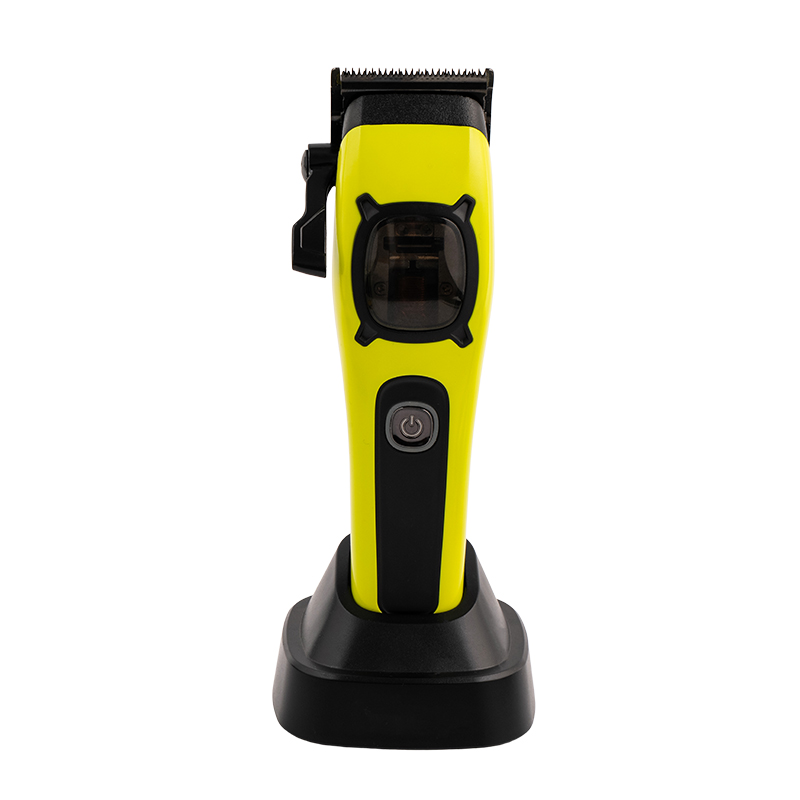
Direct Answer: Noise Comparison Between the Two Clipper Types
In most operating conditions, an electric hair clipper equipped with a magnetic or pivot motor tends to run quieter than a rotary clipper, typically producing sound levels between 55 and 65 decibels compared to 65 to 75 decibels for rotary-driven units. This difference is primarily due to the mechanical design of the motor systems rather than the overall build quality of either tool. Rotary motors rely on a spinning armature connected to a gear mechanism, which introduces additional friction and vibration, while magnetic motors oscillate a blade assembly directly, resulting in a lower-pitched and less intrusive hum.
That said, the noise gap is not absolute. High-torque rotary clippers designed for professional bulk cutting can sometimes match or even undercut budget magnetic clippers if their gear housings are well insulated. For most everyday users, however, the standard electric hair clipper remains the quieter option.
Why Motor Design Determines Sound Output
The core reason for the noise difference lies in how each motor converts electrical energy into blade movement. A magnetic motor found in most electric hair clippers uses an electromagnetic coil to move the blade back and forth at a fixed frequency, usually around 60 to 120 strokes per second. This linear motion requires fewer moving parts, which reduces mechanical rattling.
Rotary Motor Mechanics
A rotary clipper, by contrast, uses a spinning motor shaft connected to a cam or eccentric wheel that translates circular motion into the back-and-forth cutting action. This added mechanical translation layer introduces more contact points, more friction, and consequently more audible vibration. While this design typically delivers higher torque and cutting power, it comes at the cost of increased operational noise.
Real-World Decibel Ranges
Independent sound testing across multiple clipper categories generally places standard electric hair clippers in the 55 to 65 decibel range, comparable to a normal conversation. Rotary clippers, especially those built for thick or coarse hair, often measure between 65 and 75 decibels, closer to the sound of a running dishwasher or a busy office environment.
Comparing Noise Levels by Use Case
Noise perception also depends heavily on the task at hand. Below is a breakdown of typical scenarios and which clipper type tends to perform more quietly.
| Use Case | Electric Hair Clipper (dB) | Rotary Clipper (dB) |
|---|---|---|
| Light trimming, fine hair | 55–58 | 62–66 |
| Standard full haircut | 58–62 | 65–70 |
| Thick or coarse hair | 62–65 | 70–75 |
As shown, the gap widens as hair thickness increases, since rotary motors must work harder and generate more resistance-driven noise under heavier cutting loads.
Factors That Influence Perceived Loudness
Decibel readings only tell part of the story. Perceived loudness is also shaped by pitch, vibration, and consistency of sound over time.
- Pitch frequency: Magnetic motors in electric hair clippers produce a steady, lower-pitched hum, which the human ear generally finds less irritating than the higher-pitched whir of a rotary motor.
- Vibration transfer: Rotary clippers often transmit more vibration through the housing, which can amplify perceived noise even when decibel levels are similar.
- Blade tension: Improperly tensioned blades on either clipper type can increase rattling and noise, so regular maintenance plays a role in sound output.
- Housing material: Clippers with rubberized or insulated housings tend to dampen sound better than those with hard plastic shells.
When a Rotary Clipper's Extra Noise May Be Worth It
Despite being louder, a rotary clipper is not necessarily the inferior choice. Its motor design typically delivers higher torque and more consistent power under load, making it better suited for professional environments where thick, dense, or long hair is cut repeatedly throughout the day. In these settings, the trade-off between noise and cutting performance often favors the rotary design.
An electric hair clipper, meanwhile, is generally the better fit for home use, quiet salon environments, or situations involving noise-sensitive clients, such as children or individuals with sensory sensitivities.
Practical Tips to Reduce Clipper Noise
Regardless of which motor type is chosen, certain maintenance habits can meaningfully reduce operational noise.
- Oil the blades before and after each use to reduce metal-on-metal friction.
- Check and tighten the blade tension screw periodically, as loose blades are a common source of rattling.
- Clean hair debris from the motor housing regularly to prevent buildup that can cause internal vibration.
- Replace worn blades, since dull or misaligned blades force the motor to work harder and louder.
Final Takeaway
For users prioritizing a quiet, low-vibration experience, an electric hair clipper is the more suitable choice over a rotary clipper in the vast majority of use cases. However, for professionals who prioritize raw cutting power over sound level, the added noise of a rotary clipper may be an acceptable trade-off. Understanding these differences allows users to match their clipper choice to both their performance needs and their tolerance for operational noise.
References / Sources
-
Occupational Safety and Health Administration (OSHA). Occupational Noise Exposure – Overview. osha.gov/noise (2025).
-
OSHA. 1910.95 – Occupational Noise Exposure Standard. osha.gov/laws-regs/regulations/standardnumber/1910/1910.95 (2025).
-
OSHA Technical Manual. Section III: Chapter 5 – Noise Measurement. osha.gov/otm/section-3-health-hazards/chapter-5 (2025).
-
WC Safety. Decibel Levels Chart: Noise Sources & OSHA Limits. wcsafety.com/blogs/reference/decibel-levels-chart (2026).
+86-574-62151741
+86-13655842900
laituo@google.com
No. 22 Liufang Road, Yuyao Industrial Park, Ningbo City, China
Copyright © Yuyao Laituo Electric Appliance Co., Ltd. All Rights Reserved
OEM/ODM Hair Removal Tool Epilator Manufacturers
