
 русский
 Français
 Español
 Deutsch
 عربى
عربى
Portable Electric Shaver: The Complete Practical Buyer and User Guide to Choosing, Using, and Maintaining Your Best Shave
What Is the Best Cordless Electric Shaver and Why Cordless Is the Right Choice for Most Shavers
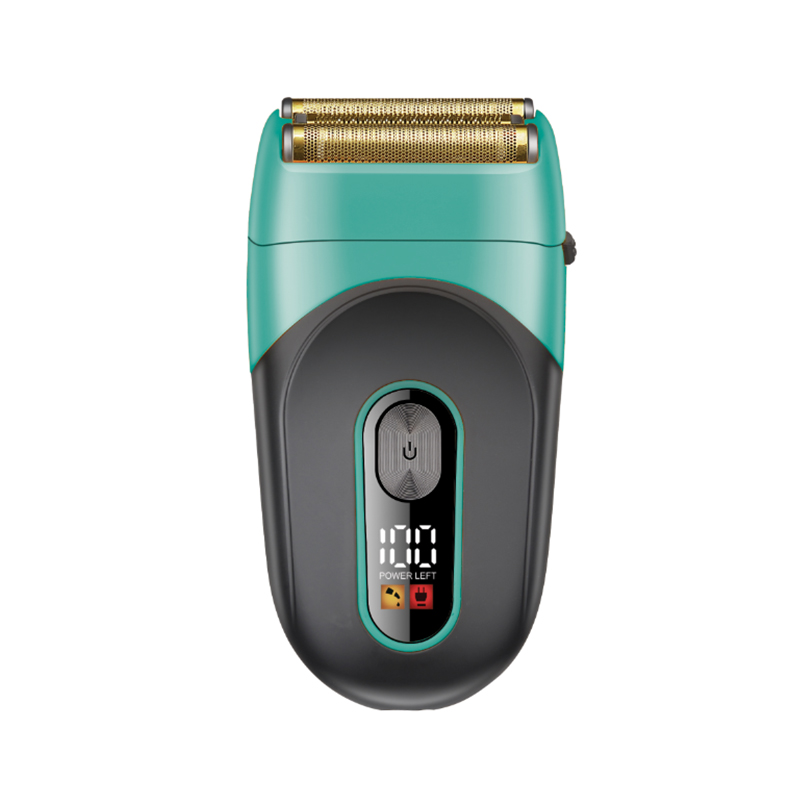
The best cordless electric shaver for most men is a foil-type model with at least three cutting elements (foil strips or foil and trimmer combinations), a lithium-ion battery delivering 50 to 90 minutes of cordless runtime per charge, IPX7 or higher waterproof rating for wet and dry use, and an LED or LCD charge indicator that shows remaining battery level rather than a simple single-indicator light. At the USD 80 to USD 180 price point, shavers from Braun, Panasonic, and Philips Norelco consistently meet these criteria and receive the highest independent user satisfaction ratings for closeness, skin comfort, and long-term reliability.
The cordless electric shaver has effectively replaced the corded model as the consumer standard because the lithium-ion battery technology now available in the USD 50 to USD 200 price range delivers more than enough runtime for a complete daily shave (typically 3 to 7 minutes per session) from a charge that lasts 50 to 90 minutes, covering 7 to 25 complete shave sessions between charges. A corded shaver offers no practical advantage over a quality cordless electric shaver for the vast majority of users, and the cord itself creates friction and restricted movement that degrades the shave experience compared to cordless freedom of motion.
A portable electric shaver is the same product described from the travel and on-the-go use perspective: any quality cordless electric shaver IS a portable electric shaver, because its rechargeable battery and compact form factor allow it to be used anywhere without a power connection. The most important additional specifications for users who prioritize the portable electric shaver function are: a travel lock that prevents accidental activation in a bag, a charging case or pouch that protects the shaving head during transport, a worldwide voltage adapter (100 to 240V AC input) for international travel use, and the most compact possible body dimensions while maintaining adequate battery capacity for travel itineraries.
Cordless Electric Shaver Technology: Foil vs Rotary and Which Suits Your Face
The two cutting technologies used in cordless electric shavers produce different shaving results on different beard types and facial geometries, and selecting the wrong technology for your specific beard and skin is the most common cause of disappointment with a quality cordless electric shaver purchase. Understanding the physical differences between foil and rotary cutting systems explains immediately why each type excels on certain users and why neither is universally superior.
Foil Cordless Electric Shaver: How It Works and Who It Suits
A foil cordless electric shaver uses one or more thin perforated metal foil strips stretched across the cutting head. Beneath each foil, a rapidly oscillating blade moves back and forth (typically 10,000 to 14,000 strokes per minute in premium models), cutting any hair that enters the foil perforations. The foil perforations are sized to capture hairs while preventing the blade from directly contacting the skin surface, which is the design feature that makes foil shavers comfortable on sensitive skin.
- How foil captures beard hair: The user presses the foil head against the skin and moves it in straight strokes (up-down or side-to-side). The foil presses flat against the skin surface, hair enters the perforations from the top, the oscillating blade cuts the hair at the foil surface level. Because the cutting happens inside the foil perforations rather than against open skin, the foil shaver provides excellent protection for sensitive skin and produces less irritation than either a rotary shaver or a manual razor for most users with thin-to-medium beard density.
- Number of foil elements and what it means: Entry-level foil cordless electric shavers have one or two foil strips. Premium models have three or more foil elements, often combining dedicated foil strips for regular hair with a middle trimmer blade for flat-lying or longer hairs that the foil strips do not capture efficiently. A three-element foil cordless electric shaver captures significantly more hair per pass than a single-foil model, reducing the number of passes required to achieve a clean shave and therefore reducing total skin contact time and irritation.
- Best for: Men with straight-growing beard hair, men with sensitive skin that reacts to the rotary mechanism's circular motion, men who prefer the straight-stroke shaving motion familiar from manual razor technique, and men who shave daily or near-daily (where the foil shaver's closeness advantage over rotary is most apparent on short stubble).
- Limitation: Foil heads are flat and linear, which makes them less effective at navigating the curved contours of the chin and jawline than rotary heads. Most quality foil portable electric shavers address this with flexible heads that pivot along their length axis, but the adaptation is not as complete as the rotary's multi-directional pivot capability.
Rotary Cordless Electric Shaver: How It Works and Who It Suits
A rotary cordless electric shaver uses three or more circular cutting heads arranged in a triangular pattern, each containing a spinning inner cutter beneath a circular outer guard. The outer guard's curved, slotted surface captures hairs and guides them toward the spinning inner cutter, which cuts them at the guard surface level. The circular motion of the inner cutter handles hair growing in any direction without requiring the user to pre-determine the shaving stroke direction relative to the grain.
- Multi-directional hair capture: Because the inner cutter spins continuously in a full circle rather than oscillating back and forth, a rotary cordless electric shaver captures hairs growing in any direction relative to the shaver's motion: up, down, across, or diagonally. This multi-directional capture is its primary advantage over foil for men whose beard grows in multiple or inconsistent directions across different facial zones, which is very common across the chin, upper lip, and cheek transition zones.
- Head flexibility for facial contours: Premium rotary portable electric shavers mount each circular head in an independent floating suspension that allows each head to pivot in multiple axes independently. When the shaver is pressed against the curved jaw, chin, and neck contours, each head independently follows its section of the contour rather than the entire head leaving contact with the skin at curved surfaces. This individual head independence is why rotary shavers consistently outperform foil shavers at the curved facial contour areas where beard density is often highest.
- Best for: Men with coarser, denser, or multi-directional beard growth; men who prefer a circular or non-directional shaving motion; men who shave less frequently (every 2 to 4 days) where longer stubble benefits from the rotary's ability to capture and cut in any direction; and men with prominent facial contours (strong jaw angles, deep chin dimples) where the rotary's independent head floating provides better coverage than a foil's flatter head profile.
- Limitation: The rotary mechanism produces more lateral shearing force at the skin surface than a foil mechanism, which causes more irritation on sensitive skin. Users who experience persistent redness, bumps, or irritation after rotary shaving should switch to a foil cordless electric shaver before concluding that electric shaving generally does not suit their skin.
Foil vs Rotary Cordless Electric Shaver: Side-by-Side Comparison
| Criterion | Foil Cordless Electric Shaver | Rotary Cordless Electric Shaver |
|---|---|---|
| Cutting mechanism | Oscillating blade under perforated foil | Spinning circular cutter under circular guard |
| Shaving motion | Straight strokes (up-down, side-to-side) | Circular or multi-directional strokes |
| Closeness on flat surfaces | Excellent | Very good |
| Performance on curved contours | Good (pivot helps, but flatter head profile) | Excellent (independent floating heads) |
| Sensitive skin comfort | Excellent | Good (more lateral motion) |
| Dense or coarse beard performance | Good to very good (depends on element count) | Very good to excellent |
| Cleaning ease | Moderate (foil frames must be opened) | Easy (heads detach and rinse individually) |
| Blade and foil replacement cost | USD 20 to USD 60 (foil plus blade set) | USD 20 to USD 55 (head replacement set) |
| Leading brands | Braun, Panasonic, Remington | Philips Norelco, Remington |
Battery Technology and Runtime: The Core of a Genuine Cordless Electric Shaver
The battery system is the defining characteristic that transforms an electric shaver from a corded appliance into a true cordless electric shaver, and battery specification is the most practically important feature comparison when evaluating models. Not all batteries in cordless electric shavers are created equal, and the specific battery technology determines runtime, lifespan, charge speed, and the convenience of the low-battery-to-charged cycle that a daily-use shaver must repeat thousands of times over its service life.
Lithium-Ion vs Nickel-Metal Hydride: Why the Battery Type Matters
Modern premium cordless electric shavers universally use lithium-ion (Li-ion) batteries, while some budget models still use older nickel-metal hydride (NiMH) technology. The practical differences between these two battery chemistries are significant for a daily-use appliance:
- Lithium-ion advantages for a cordless electric shaver: No memory effect (can be charged at any state of charge without capacity degradation), maintains full voltage output until near-completely discharged (motor speed stays consistent throughout the shave session rather than slowing as the battery depletes), faster charging (full charge in 60 to 90 minutes versus 8 to 16 hours for NiMH), and significantly longer cycle life (500 to 800 full charge cycles to 80% capacity versus 300 to 400 for NiMH).
- NiMH limitations in a cordless electric shaver: Voltage output drops progressively as the battery discharges, meaning the shaver's motor slows and cutting efficiency reduces during the final 20% to 30% of each charge. Self-discharge rate of 1% to 3% per day means a NiMH-powered portable electric shaver left unused for 2 weeks may be too depleted to complete a shave without recharging, which is a real operational problem for travel-focused portable electric shavers used intermittently.
- Quick charge feature (Li-ion only): Many premium Li-ion cordless electric shavers include a 5-minute quick charge mode that delivers enough charge for a single complete shave session from a completely flat battery. This 5-minute emergency charge is one of the most practically valuable features in a portable electric shaver for travel, because it converts a flat battery discovered in the morning into a functioning shaver in the time it takes to shower, without requiring a full 60-minute charge cycle that disrupts the morning schedule.
Runtime Specifications: What the Numbers Mean in Practice
Manufacturer-stated runtime for a cordless electric shaver is measured under controlled laboratory conditions (typically at room temperature with a fully charged new battery, running the shaver at its standard speed without shaving actual hair). Real-world runtime may differ based on several factors:
- Temperature effects: Lithium-ion batteries deliver approximately 15% to 25% less runtime in cold environments (below 10 degrees Celsius) than at room temperature. A portable electric shaver used in winter travel to cold climates may achieve only 40 to 65 minutes of actual cordless runtime from a model rated at 50 to 80 minutes under standard conditions.
- Beard density and motor load: Shaving a dense, coarse beard causes the motor to work harder than shaving light or soft facial hair, drawing more current per minute and reducing battery runtime. Users with dense beards may see 10% to 20% shorter runtime than the manufacturer's specification, while users with fine or light beards may achieve runtime at or slightly above specification.
- Battery age and cycle count: All rechargeable batteries lose capacity progressively with each charge cycle. A Li-ion battery at 400 cycles (approximately 1 to 2 years of daily charging) typically retains 80% to 85% of its original capacity, meaning a cordless electric shaver originally rated at 60 minutes runtime provides approximately 48 to 51 minutes at this point in its battery life. This is still adequate for the typical 4 to 7 minute daily shave session but represents a meaningful reduction in the standby reserve between charges.
Portable Electric Shaver for Travel: Features That Determine Real-World Usefulness
The portable electric shaver use case places specific demands on a cordless electric shaver that daily home use does not: it must survive being packed and transported without activating accidentally, operate on the electrical standards of any country, be cleaned without access to a powered cleaning station, and store compactly in limited luggage space. The features that address these travel-specific demands separate a genuinely travel-ready portable electric shaver from a home shaver that merely happens to be cordless.
Travel Lock: Preventing Accidental Activation in Luggage
A travel lock (sometimes called a transportation lock or power lock) disables the power button of the cordless electric shaver to prevent the shaver from activating when the button is pressed accidentally against bag contents during packing and transport. Without a travel lock, a cordless electric shaver packed in a carry-on or checked bag can activate during handling, drain the battery completely, and in extreme cases generate enough heat from the running motor (against the packed bag contents) to create a safety concern. Any portable electric shaver intended for bag-carried travel use must have a travel lock mechanism. This is a non-negotiable feature for frequent travelers, and its absence should disqualify a model from the portable electric shaver category for professional and frequent travel use regardless of its other specifications.
Worldwide Voltage Compatibility for International Travel
Electrical power supply standards differ between countries in both voltage (100 to 240V) and frequency (50 to 60 Hz), and a cordless electric shaver designed for domestic use in one voltage zone may be incompatible or damaged by the voltage standard of the destination country. Most premium portable electric shavers include universal power adapters in their charging systems (accepting 100 to 240V AC input at 50 to 60 Hz), making them operable with any country's wall power using only a physical plug adapter for the socket shape. Budget models may only accept a single voltage range (for example, 100 to 130V for North American markets or 200 to 240V for European markets). Check the voltage specification printed on the charger or charging base before traveling internationally with any portable electric shaver that has not been confirmed as worldwide voltage compatible.
Waterproof Rating for Travel Convenience
A waterproof cordless electric shaver provides three distinct advantages for travel use beyond the obvious wet shaving capability:
- Shower shaving eliminates the need for a mirror: Shaving during the shower saves time in a travel morning routine, particularly when bathroom mirror access is shared or limited in hotel, hostel, or shared accommodation settings.
- Rinse cleaning without a cleaning station: A waterproof portable electric shaver can be rinsed under running tap water to remove hair clippings from the cutting heads, providing adequate cleaning between shaving sessions without requiring the powered cleaning and lubrication stations that some premium corded or non-waterproof models depend on for optimal maintenance. Tap water rinsing is the only practical cleaning method available in hotel rooms without the bench space and power outlets for a dedicated cleaning station.
- Safety from accidental moisture exposure: Travel environments expose grooming products to higher moisture risk than home bathroom use: condensation in luggage, bathroom splashing in compact travel spaces, and humid tropical or coastal environments all create moisture exposure risks that a waterproof portable electric shaver withstands while a non-waterproof model would not.
- IPX rating to look for: IPX7 (submersible to 1 metre for 30 minutes) is the minimum recommended rating for a portable electric shaver intended for shower use and rinse cleaning. IPX5 (protection against water jets) is adequate for rinse cleaning under a tap but does not ensure safe immersion for shower use.
Compact Body Dimensions and Travel Case
The physical size and weight of a portable electric shaver determines how much luggage space it occupies and how much it adds to carry-on weight limits. Key dimensional considerations for travel-focused portable electric shaver selection:
- Body length: Standard full-size cordless electric shavers are typically 14 to 17 cm (5.5 to 6.7 inches) in body length. Travel-optimized portable electric shaver models are available in 11 to 13 cm (4.3 to 5.1 inches) body length, which fits in the same space as a standard deodorant stick and allows the shaver to stand upright in a toiletry bag without protruding above the bag's zip closure.
- Body weight: Full-size cordless electric shavers weigh 150 to 220 grams. Travel portable electric shaver models with smaller batteries and bodies weigh 100 to 150 grams, a difference of 50 to 70 grams that is meaningful when packing to strict carry-on weight limits on budget airlines.
- Included travel case or pouch: A rigid or semi-rigid travel case that protects the shaving head from contact with other toiletry items in the bag prevents the foil or rotary guard from being scratched or deformed during transport. Scratches on the shaving foil create burrs that irritate the skin during the next shave session. A soft drawstring pouch is better than no protection but does not prevent the structural deformation of the shaving head that can occur if a heavy object presses against it in a packed bag.
Wet and Dry Shaving With a Cordless Electric Shaver: Which Produces Better Results
Most premium cordless electric shavers sold today are rated for both wet (with shaving gel, foam, or soap) and dry (on a dry face without any shaving product) use. The debate between wet and dry electric shaving has a clear practical resolution that many users discover through trial and experience: the better option depends on the user's skin sensitivity and beard density, not on a universal rule.
Dry Shaving With a Cordless Electric Shaver
Dry shaving with a cordless electric shaver is the faster and more convenient option for most daily home routines. No shaving product is needed, the shaver can be used anywhere (desk, car, public transport in extremis), and the entire shaving session from picking up the shaver to putting it down takes 3 to 7 minutes for a typical full-face shave. For men with normal to dry skin and fine to medium beard density, dry shaving with a quality multi-element foil or rotary portable electric shaver produces a result that is comfortable for the full day without any skin reaction. The key prerequisite for comfortable dry shaving is that the shaving heads are sharp (replaced on schedule, typically every 12 to 18 months) and clean (cleared of hair clipping buildup that would cause the blades to drag rather than cut cleanly).
Wet Shaving With a Cordless Electric Shaver
Wet shaving (applying shaving gel or foam to the face before using the waterproof cordless electric shaver) adds approximately 2 to 3 minutes to the session but delivers measurably better results for three user profiles:
- Sensitive skin users: The lubricating film of shaving gel between the foil or rotary guard and the skin surface reduces the friction and mechanical stimulus that causes post-shave redness and irritation. Many users who find dry electric shaving uncomfortable discover that wet shaving with the same cordless electric shaver is entirely comfortable, because the gel provides the missing skin protection that their sensitive skin requires.
- Dense or coarse beard users: Shaving gel softens the outer keratin layer of the beard hair, reducing the cutting resistance that dense or coarse beards present to the shaver's blades. Softened hair requires less cutting force, which means the motor runs at lower load, the blades cut more cleanly, and the resulting shave is closer and smoother than dry shaving the same beard with the same shaver.
- Users shaving less frequently (every 2 to 4 days): Longer stubble (2 to 4 mm growth) benefits most from wet shaving because the gel softens the increased beard volume that requires more cutting work from the shaver's elements, reducing session time and improving result quality compared to attempting to dry-shave the same length.
Maintaining a Cordless Electric Shaver for Peak Long-Term Performance
A cordless electric shaver maintained correctly performs at its original standard for 5 to 8 years before requiring replacement. Poorly maintained shavers degrade within 12 to 24 months to a performance level that produces unsatisfying results and encourages premature replacement. The maintenance requirements for a cordless electric shaver are minimal in terms of time but must be performed consistently to preserve cutting quality.
Daily and Post-Session Cleaning
Hair clipping accumulation in the cutting heads is the primary performance-degrading factor in a cordless electric shaver that is not cleaned regularly. As clippings pack between the foil and blade or between the rotary head and its cutter, the space available for new beard hair to enter the cutting zone reduces, requiring more passes to achieve the same result as a clean shaver and increasing the skin contact time and friction that causes irritation.
- After every shave session (waterproof models): Hold the shaving head under running warm water for 15 to 30 seconds while running the shaver at low speed. This rinse removes the majority of hair clippings from all cutting surfaces. Shake off excess water and leave the shaver with the head cover open or detached to air dry before storing. This process takes approximately 60 seconds and maintains cleaning standards that prevent the performance degradation described above.
- After every shave session (non-waterproof models): Open the cutting head access panel and use the included small brush to clean clippings from the foil and blade assembly. Tap the open head against a tissue or the sink edge to dislodge loosened clippings. This dry brushing takes 30 to 60 seconds and removes the bulk of accumulated clippings without any water contact.
- Weekly or every 5 to 7 shaves: Apply a small drop (1 to 2 drops) of shaver oil or sewing machine oil to the foil surface or rotary head guard of the cordless electric shaver, then run the shaver for 10 seconds to distribute the oil across the cutting blade surfaces. This lubrication reduces the metal-on-metal friction between the oscillating blade and the foil (in foil shavers) or between the inner cutter and outer guard (in rotary shavers), significantly extending blade and foil service life. Unlubricated blades wear measurably faster than lubricated ones: independent tests show that a properly lubricated cordless electric shaver foil and blade set lasts 20% to 35% longer before requiring replacement than an equivalent set used without lubrication.
When to Replace the Shaving Heads
The foil and inner blade of a foil cordless electric shaver, or the outer guard and inner cutter of a rotary portable electric shaver, are consumable components that wear progressively with use. Most manufacturers recommend replacement every 12 to 18 months for daily users and every 18 to 24 months for users who shave every 2 to 3 days. The practical indicators that replacement is needed (regardless of the calendar schedule) are:
- Increased number of passes required for the same result: If achieving a clean shave now requires 2 to 3 passes where 1 to 2 passes previously sufficed, the cutting elements are worn and are no longer capturing and cutting hair efficiently.
- Skin irritation after sessions that were previously comfortable: Worn foil or rotary guard surfaces develop microscopic burrs and rough edges that abrade the skin during contact, producing redness and irritation that does not occur with sharp, smooth cutting surfaces.
- Tugging or pulling sensation during shaving: A pulling sensation instead of a clean cutting sensation indicates that the blades are no longer sharp enough to cut the hair cleanly, and instead are deflecting and releasing (tugging) rather than shearing through the hair.
- Visible damage to the foil: Any hole, crack, or significant deformation in the foil of a foil cordless electric shaver requires immediate replacement of the foil (and inner blade simultaneously, as the blade and foil wear as a matched pair). A damaged foil can cut the skin rather than the hair if the blade can reach through the damaged area to direct skin contact.
Battery Care Over the Long Term
- Avoid complete discharge before every recharge: Li-ion batteries in cordless electric shavers do not benefit from the full-discharge-before-charge cycle that older NiMH batteries required. Charging the shaver when it reaches approximately 20% to 30% remaining battery rather than running it completely flat extends the Li-ion battery's cycle life by reducing the depth-of-discharge stress on each cycle.
- Do not store at extreme charge states: Storing the portable electric shaver at full charge (100%) for extended periods (weeks or months) accelerates Li-ion degradation. For a portable electric shaver that will not be used for a month or more (for example, stored between camping trips or business travel periods), charge the battery to approximately 40% to 60% before storage and recharge to the same level after 2 to 3 months if still in storage.
- Keep away from extreme temperatures during storage: Li-ion batteries degrade significantly faster when stored at temperatures above 35 degrees Celsius. Do not store a portable electric shaver in a car glovebox, on a windowsill in direct sunlight, or in any location where summer temperatures regularly exceed 35 degrees Celsius during storage periods.
Cordless Electric Shaver Price Tiers: What You Get at Each Budget Level
| Price Range | Battery Type | Typical Runtime | Key Features | Waterproof Rating | Best For |
|---|---|---|---|---|---|
| USD 25 to 50 | NiMH or small Li-ion | 20 to 40 minutes | Basic foil or rotary, simple LED indicator | IPX4 to IPX5 (splash only) | Light daily use, fine to medium beard |
| USD 50 to 100 | Li-ion | 40 to 60 minutes | Multi-element head, wet and dry, travel lock | IPX7 | Daily home use, occasional travel |
| USD 100 to 180 | Li-ion | 50 to 90 minutes | 5-minute quick charge, battery level display, precision trimmer, travel case | IPX7 | Daily use, frequent travel, dense beards |
| USD 180 to 350 | Li-ion (high capacity) | 60 to 90 minutes | Sonic cleaning station, auto-lubrication, skin sensors, multiple speed modes | IPX7 | Sensitive skin, premium performance, low-maintenance |
Frequently Asked Questions
1. What is the difference between a cordless electric shaver and a portable electric shaver?
A cordless electric shaver and a portable electric shaver refer to the same category of product: a rechargeable battery-powered electric shaver that operates without a direct electrical connection to a wall outlet during use. The term "cordless electric shaver" emphasizes the freedom from cable constraint during shaving, while "portable electric shaver" emphasizes the ability to use and carry the device anywhere. In practice, all quality cordless electric shavers are portable electric shavers and vice versa. The distinction that sometimes appears in marketing is that a "portable" designation may specifically indicate a more compact body size, lighter weight, or travel-optimized feature set (travel lock, worldwide voltage adapter, travel case) compared to a full-size cordless shaver designed primarily for home bathroom use. When evaluating these two terms in product searches, treat them as synonymous and evaluate the actual specifications rather than the label.
2. How long does a cordless electric shaver battery last per charge?
A cordless electric shaver battery lasts between 20 minutes (budget NiMH models) and 90 minutes (premium Li-ion models) per charge under standard shaving conditions. The practical significance of these numbers: a single daily shave session typically takes 3 to 7 minutes, meaning a 50-minute runtime cordless electric shaver provides 7 to 16 complete shave sessions between charges. For most users who charge weekly, a 50-minute runtime is entirely adequate. For users who prefer to charge less frequently or who share a shaver with a partner (doubling the daily usage per charge), a 70 to 90-minute runtime model provides better between-charge autonomy. Travel users should note that many portable electric shavers with 60-minute rated runtime deliver 40 to 50 minutes in cold environments due to lithium-ion temperature sensitivity.
3. Can I use a cordless electric shaver in the shower?
Yes, if the cordless electric shaver carries a waterproof rating of IPX7 or higher, it is safe for shower use with or without shaving gel or foam. IPX7-rated shavers can be submerged to 1 metre depth for up to 30 minutes, which means ordinary shower water exposure during a shaving session is well within the device's safe operating envelope. The shaver must be charged outside the shower and never plugged into a mains connection while wet. Check that the charging port cover is properly sealed before water exposure if the model has a separate charging port that is not permanently sealed. After shower use, shake off excess water and allow the shaver to air dry with the head cover open before returning it to its charging base or travel case. Shavers rated only IPX5 (protection against directed water jets) are safe for rinse cleaning under a tap but should not be used in a running shower where sustained water spray from multiple angles may exceed their protection rating.
4. How do I know when to replace the blades or heads on my cordless electric shaver?
Replace the cutting heads (foil and blade on a foil shaver, or guard and cutter on a rotary shaver) when any of these indicators appear: the shave result requires more passes than it previously needed, you feel a tugging or pulling sensation instead of clean cutting, post-shave skin redness or irritation has increased compared to when the shaver was new, or you notice any visible damage (holes, cracks, or deformation) in the foil or rotary guard. Most manufacturers recommend replacing heads every 12 to 18 months for daily users. Following a regular replacement schedule (even before noticeable degradation) maintains consistently close and comfortable shave results rather than allowing a gradual worsening that is only noticed when compared to a freshly replaced head. Budget the replacement head cost (typically USD 20 to USD 60 per set depending on brand and model) into the annual operating cost of the cordless electric shaver when comparing total cost of ownership across different models.
5. Is a foil or rotary portable electric shaver better for sensitive skin?
A foil portable electric shaver is generally better for sensitive skin than a rotary model. The foil design interposes a thin perforated metal screen between the cutting blade and the skin surface, protecting the skin from direct blade contact and distributing the mechanical stimulus of the cutting motion across the full foil surface area. The foil's straight oscillating motion also produces less lateral shearing force at the skin surface than the rotary's circular motion, which is the mechanical difference that produces less irritation on sensitive skin in the foil design. However, individual skin sensitivity varies, and some users find that the specific model of rotary portable electric shaver they try is more comfortable than a foil alternative, particularly if the rotary model has high-quality floating heads that maintain gentle, even pressure across contoured areas. The best approach for a user with sensitive skin who is unsure which technology suits their skin is to purchase from a retailer with a return policy, test both technologies, and keep the model that produces the least post-shave irritation.
6. How do I charge a cordless electric shaver while traveling internationally?
Most premium cordless electric shavers and portable electric shavers include universal voltage charging systems that accept 100 to 240V AC at 50 to 60 Hz, covering virtually every country's electrical standard. If your shaver's charger is universal voltage compatible (check the label on the charger body for input voltage specification), you need only a physical plug adapter for the socket shape of the destination country, not a voltage converter. If the charger is single-voltage (for example, 110V only for North American models), you need a voltage converter in addition to the plug adapter. Many portable electric shavers in the USD 100+ range include a dedicated travel charger that is specifically designed as a universal worldwide adapter, confirming compatibility without any additional accessory. In countries where bathroom electrical outlets are limited (many European hotels provide only 2-pin shaver sockets rather than standard power outlets in the bathroom), confirm your charger's plug type before relying on the bathroom outlet for your cordless electric shaver's charging needs.
7. How often should I oil a cordless electric shaver?
Oil the cutting heads of a cordless electric shaver every 5 to 7 shave sessions (approximately once weekly for daily shavers) with 1 to 2 drops of shaver oil, hair clipper oil, or a light sewing machine oil (mineral oil). Apply the drops to the foil surface of a foil shaver or to the slots in the rotary guard of a rotary shaver, then run the shaver for 10 to 15 seconds to distribute the oil across the blade contact surfaces. Wipe any excess oil from the exterior of the shaving head with a dry cloth or tissue. This simple lubrication routine reduces the metal-on-metal friction between the oscillating blade and foil (foil shavers) or between the spinning inner cutter and outer guard (rotary shavers), extending the service life of these consumable components and maintaining the cutting sharpness that produces a comfortable, close shave. Many premium cordless electric shavers that include a cleaning and charging station automatically apply lubricant to the cutting heads during each cleaning cycle, eliminating the need for manual oiling on those models.
8. What is the 5-minute quick charge feature and is it genuinely useful?
The 5-minute quick charge feature on many premium Li-ion cordless electric shavers delivers a partial charge in 5 minutes of wall connection that provides enough power for a single complete shave session (approximately 5 to 7 minutes of runtime) from a completely depleted battery. This feature is genuinely and practically useful for the specific scenario where the user discovers a flat battery the morning of a day with no time for a full charge: connecting the shaver for 5 minutes during the shower or breakfast produces a functional shaver without waiting the full 60 to 90 minutes for a complete charge. For daily users who charge the shaver overnight, the 5-minute quick charge is used infrequently but provides meaningful peace-of-mind as an emergency backup. For travel use, where forgetting to charge the shaver before a morning departure is a real risk, the 5-minute quick charge capability can save a morning routine. It is worth the slight price premium over equivalent models without the feature for users who travel frequently or whose schedule does not guarantee consistent nightly charging.
9. What is the correct shaving technique with a cordless electric shaver?
The correct technique for a foil cordless electric shaver is to hold the shaver perpendicular to the skin surface (flat against the face, not at an angle) and move it in straight strokes against the direction of beard growth (against the grain) for the closest result, or with the grain for sensitive skin that reacts to against-grain shaving. Use gentle pressure: pressing the shaver harder against the face does not produce a closer shave with an electric shaver (unlike a manual razor) and may cause the foil to buckle slightly, reducing cutting efficiency and increasing skin contact pressure. For a rotary portable electric shaver, use slow circular or oval motions across the face rather than straight strokes, allowing each circular head to move across the beard surface at the pace that gives each cutter time to capture and cut each hair it contacts. Stretching the skin of the face with the free hand (in the same direction away from the shaving stroke) produces a slightly closer result on both foil and rotary cordless electric shavers by presenting the beard hair in a more erect position for capture by the foil perforations or rotary guard slots.
10. How long does a cordless electric shaver last before it needs replacing?
A quality cordless electric shaver from an established brand (Braun, Panasonic, Philips Norelco, or equivalent) maintained correctly lasts 5 to 8 years before the body and motor assembly requires replacement. The consumable components (cutting heads) are replaced every 12 to 18 months as described, and the battery's capacity degrades to approximately 70% to 75% of its original rating after 500 to 600 charge cycles (approximately 2 to 3 years of daily use with daily charging). At this battery degradation level, the shaver provides approximately 35 to 45 minutes of runtime from a model originally rated at 60 minutes, which remains adequate for the typical daily shave session. Battery degradation is therefore rarely the limiting factor in a cordless electric shaver's useful service life: it is more typically the accumulation of motor wear, body casing damage, or the discontinuation of compatible replacement cutting heads by the manufacturer that determines the practical end of the shaver's service life. Choosing a brand with a demonstrated long-term commitment to replacement parts availability (Braun and Philips both supply replacement heads for models up to 7 to 10 years old in most markets) extends the effective service life of the initial purchase and reduces the total cost of ownership compared to choosing a brand whose replacement heads become unavailable within 3 to 4 years of the model's initial release.
+86-574-62151741
+86-13655842900
laituo@google.com
No. 22 Liufang Road, Yuyao Industrial Park, Ningbo City, China
Copyright © Yuyao Laituo Electric Appliance Co., Ltd. All Rights Reserved
OEM/ODM Hair Removal Tool Epilator Manufacturers
