
 русский
 Français
 Español
 Deutsch
 عربى
عربى
What Is the Best Electric Hair Clippers for Bald Heads : The Complete Practical Buyer and User Guide
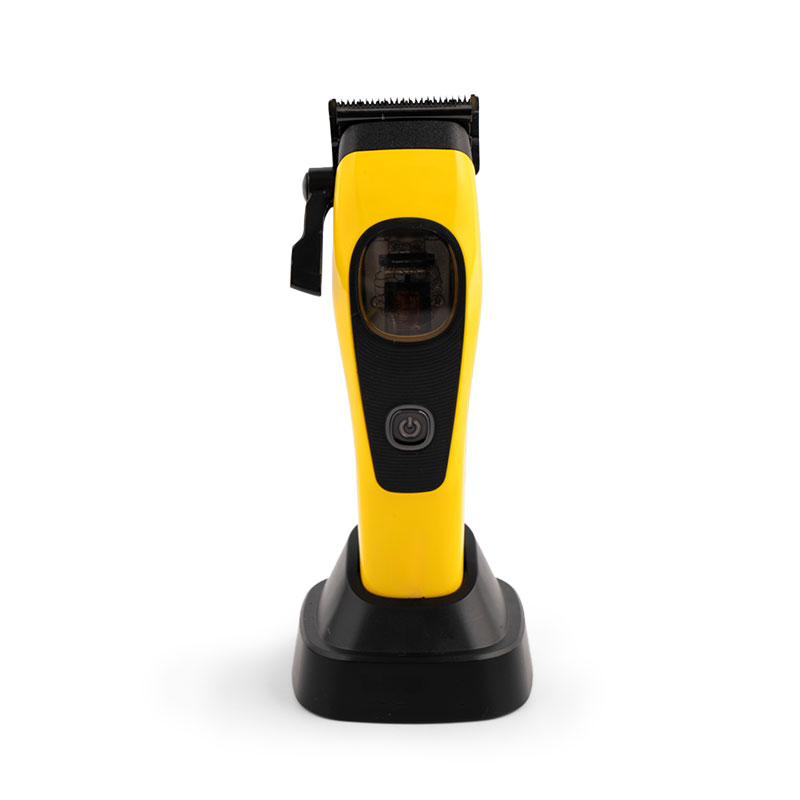
What Is the Best Electric Hair Clippers for Bald Heads and Which Tool Does Each Job
The best electric hair clippers for bald heads is a purpose-designed rotary wireless hair clippers with multiple floating shaving heads (typically 3 to 5 heads), a curved chassis that conforms to the skull contour, and waterproof construction that allows wet or dry shaving with or without shaving gel. This category of wireless head shaver is specifically engineered for the geometry of the scalp, where flat or linear blade designs (found in foil shavers and electric hair clippers) struggle to maintain consistent blade-to-skin contact across the rounded surface of the head without producing missed patches or requiring multiple slow passes that increase skin irritation.
The complete tool set for maintaining a cleanly shaved bald head combines three devices that each do a distinct job:
- Wireless hair clippers (rotary multi-head design): The primary shaving tool for the main scalp area. Delivers the closest comfortable shave across the crown, sides, and back of the head in a single efficient session of 5 to 10 minutes for a fully recharged scalp.
- Electric hair clippers: The initial reduction tool when hair has grown beyond 3 to 4 mm and the wireless head shaver cannot efficiently cut longer hair directly. Run clippers across the scalp without a guard (or with a 0.5 to 1 mm guide) before switching to the head shaver for final smoothing.
- Barber electric trimmer: The precision edge and lineup tool for the hairline at the nape of the neck, around the ears, and at the temples. Delivers the sharp, defined boundaries that transform a home shave from looking functional to looking professional and intentional.
Electric Hair Clippers: The Essential First Step for Head Shaving and Regular Maintenance
Electric hair clippers are the tool that most consistently separates an efficient head shaving routine from a frustrating one. A wireless head shaver is optimized for maintaining a head that is already shaved close (2 mm or less of regrowth). When hair has grown 4 mm or more since the last shave, attempting to shave it with a head shaver directly produces multiple problems: the longer hairs jam between the rotary heads, the cutting resistance triggers the motor to labor audibly, the pass must be made very slowly to allow the heads to cut through, and the total session time is 3 to 4 times longer than a normal maintenance shave.
Using Electric Hair Clippers to Prepare the Scalp Before Head Shaving
The correct preparation process with electric hair clippers before switching to a wireless head shaver:
- Attach the 0.5 to 1 mm guard or remove the guard entirely for the closest clipper pass. Without a guard, quality electric hair clippers cut hair to approximately 0.5 to 0.8 mm from the skin, leaving enough stubble for the wireless head shaver to grab and finish smoothly.
- Work systematically from front to back across the scalp in parallel passes, overlapping each pass slightly to avoid missed strips. Electric hair clippers are directional tools: always move the clipper against the direction of hair growth (against the grain) for the shortest cut.
- Pay extra attention to the crown and occipital bump (the rounded protrusion at the back of the skull), where hair typically grows in a whorl or radially. These areas require multi-directional clipper passes to cut all hairs regardless of their growth direction.
- Clean the clippers of accumulated hair between the top-of-scalp pass and any side passes, as a clogged blade cuts less efficiently and may tug rather than cut cleanly in thicker growth areas.
What Makes Electric Hair Clippers Suitable for Head Shaving
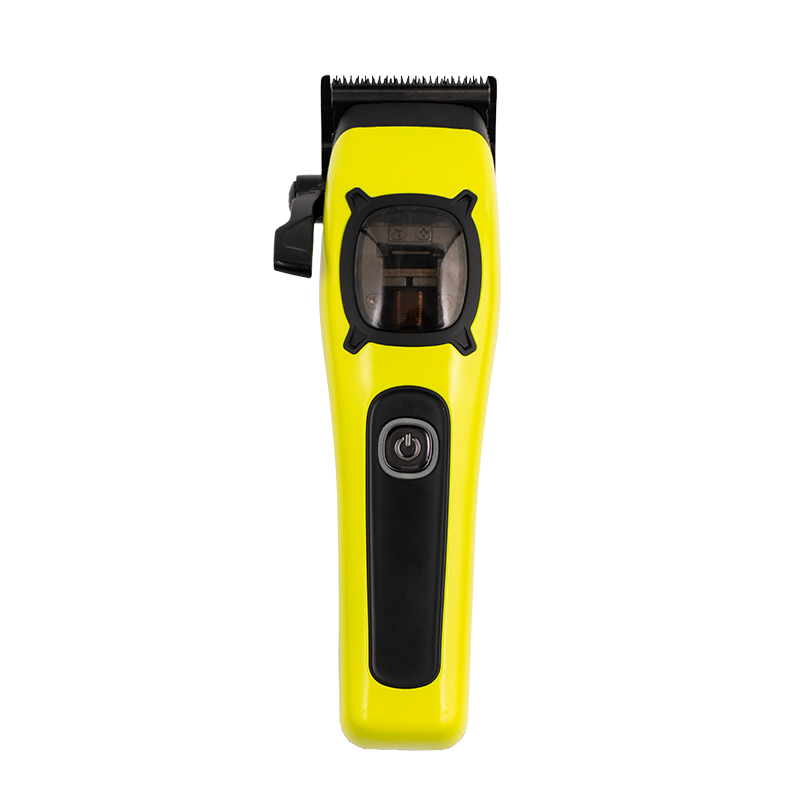
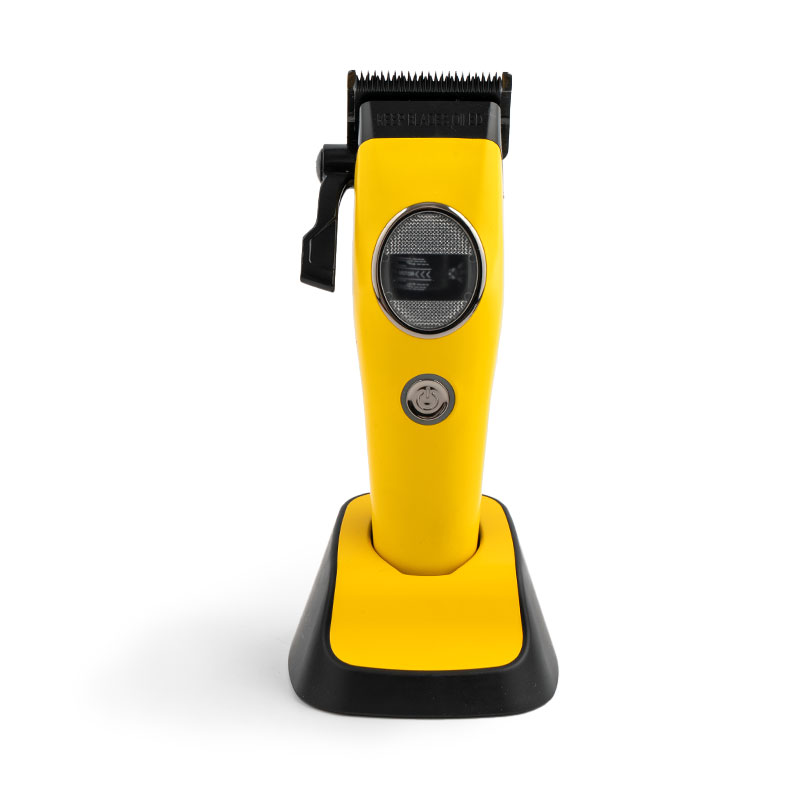
Not all electric hair clippers are equally suited to head shaving as a home practice. The characteristics that make a set of electric hair clippers work well for head preparation shaving:
- Cordless operation: Corded electric hair clippers restrict the reach and angle of operation around the back of the head, where the user cannot see what they are doing and must rely entirely on feel to guide the clipper path. A cordless clipper eliminates the cable tension that pulls the hand away from the natural shaving path and allows free-angle operation from any direction around the head without repositioning the power cable.
- Motor power sufficient for thick hair: Entry-level electric hair clippers use small rotary motors that are adequate for trimming short facial stubble but labor and snag in the thicker, coarser hair that often covers a head being shaved for the first time or after extended regrowth. A magnetic vibrating motor or a high-speed rotary motor with at least 6,500 to 8,000 RPM blade speed cuts through all hair types without dragging. Professional-grade electric hair clippers produce blade speeds of 10,000 to 14,000 strokes per minute and handle even coarse, curly scalp hair without hesitation.
- Wide blade for efficient coverage: Standard barber-style electric hair clippers have a blade width of 38 to 45 mm, covering a reasonable area per pass across the scalp. Narrower blades (25 to 30 mm, common in compact trimmer designs) require more passes to cover the same scalp area, increasing session time and the likelihood of missing strips.
- Ergonomic body for overhead and behind-head reach: Head shaving requires holding the clipper at angles that differ significantly from the normal facial trimming grip. A clipper with an ergonomic body that can be gripped comfortably in both a forward-facing and a reversed (blade-toward-user) orientation allows the user to reach behind the head without an awkward wrist twist that loses control of the blade angle.
Electric Hair Clippers vs Wireless Head Shaver: When to Use Each
| Situation | Electric Hair Clippers | Wireless Head Shaver | Both in Sequence |
|---|---|---|---|
| First ever head shave (full hair) | Step 1: Reduce length | Step 2: Final smooth shave | Recommended |
| Maintenance shave (2 to 3 day regrowth) | Not needed | Sufficient alone | Optional |
| Shave after 1 to 2 weeks of regrowth | Step 1: Required | Step 2: Required | Recommended |
| Buzz cut (not fully bald look) | Sufficient alone with guard | Not needed | Not needed |
| Very close or skin-touch shave | Preparation only | Primary shaving tool | Recommended |
Barber Electric Trimmer: The Finishing Tool That Makes a Bald Head Look Intentional
The difference between a head shave that looks clean and professional and one that looks unfinished almost always comes down to the edge work: the definition and crispness of the hairline at the nape, the sideburns, the temple outline, and wherever the shaved scalp meets any remaining facial or body hair. The wireless head shaver and electric hair clippers are both designed for area coverage shaving, not for precise edge definition. The barber electric trimmer is the specific tool designed for this precision edge work.
What a Barber Electric Trimmer Does That Other Tools Cannot
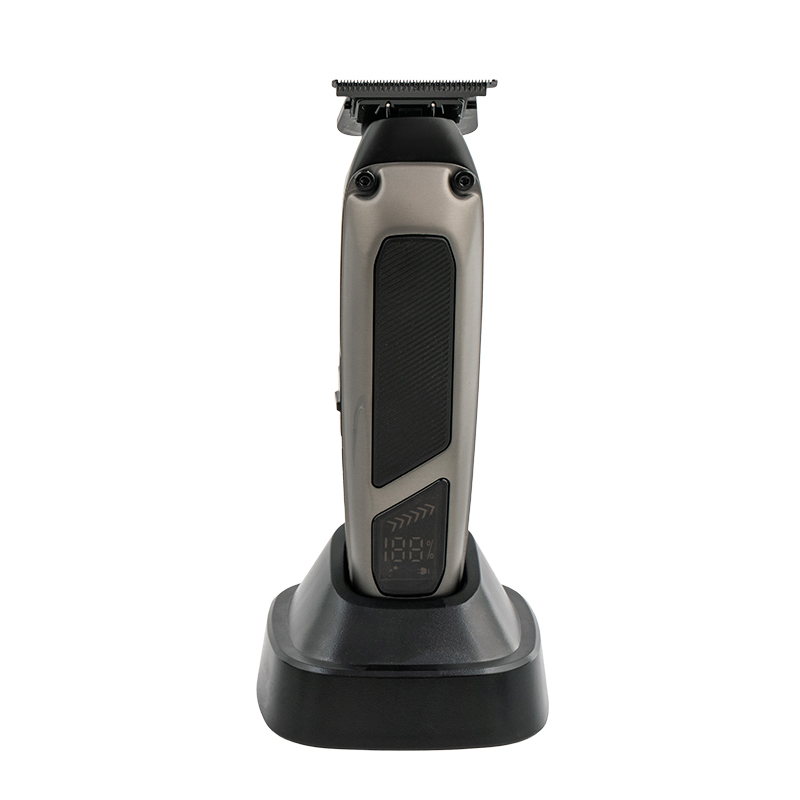
A barber electric trimmer (also called a detailing trimmer, edging trimmer, or lineup trimmer) differs from standard electric hair clippers in several key ways that make it the right tool for edge work:
- Zero-gap or T-blade design for hairline definition: A quality barber electric trimmer can be adjusted to a zero-gap blade setting where the stationary and moving blades align flush, producing a cut that is essentially at skin level with virtually no visible stubble at the very edge of the cut line. This zero-gap capability allows the creation of a razor-sharp hairline boundary that is not achievable with standard electric hair clippers whose blade gap leaves a small but visible stubble margin at the cut line.
- Narrow blade width for tight-radius edge cuts: Standard electric hair clippers have blades 38 to 45 mm wide, which is optimal for efficient coverage of large scalp areas but too wide to navigate the tight curves of a natural hairline around the ear or the curved nape of the neck. A barber electric trimmer typically uses a T-shaped blade or a narrow straight blade of 25 to 35 mm width that can follow the natural arc of these tight-radius edges precisely.
- High blade speed for clean cut lines without jagged edges: Edge definition requires that each hair at the cut boundary is cut cleanly without being pushed or bent at the moment of cutting (which would produce a ragged rather than a sharp line). Professional barber electric trimmers operate at 7,000 to 14,000 strokes per minute with precisely machined blades, producing instantaneous, clean cuts at the edge boundary.
- Precision body design for single-hand control near the skin: Edge work requires holding the trimmer at angles very close to the skin surface, sometimes nearly parallel to it, to create a defined line against the scalp. Barber electric trimmers have bodies designed for this close-to-skin manipulation with better visibility of the blade tip than the broader, more ergonomically rounded bodies of standard hair clippers.
How to Use a Barber Electric Trimmer for Bald Head Edge Definition
The technique for using a barber electric trimmer to clean up a bald head's edges after shaving:
- Complete the main shave first with the wireless head shaver before beginning edge work with the barber electric trimmer. Attempting to define edges before the main scalp area is shaved makes it impossible to see where the shaved area ends and the unshaved area begins.
- Identify your natural hairline at the nape and temples before beginning to trim. The natural hairline should be preserved rather than lowered or dramatically reshaped, as an artificially low or geometric hairline looks obviously artificial on a shaved head where it has no context of surrounding hair to make it appear natural.
- Hold the barber electric trimmer with the blade edge perpendicular to the scalp surface at the hairline boundary, and move it slowly along the natural hairline arc in smooth, continuous strokes. Avoid short, choppy strokes that produce scalloped rather than smooth edge lines.
- Clean up the nape of the neck by outlining the natural V-shape or U-shape of the neck hairline. Use a mirror or a second person to verify the symmetry of the neckline, as it is nearly impossible to see the back neckline clearly without a dual-mirror arrangement.
- Define the area around the ears by trimming any hair or stubble that follows the natural curve from the temple to the sideburn position and around the top of the ear. This area requires very slow, careful trimmer movement as the curves are tight and the blade must follow the skin contour closely.
Corded vs Cordless Barber Electric Trimmer for Home Use
Professional barbers predominantly use corded barber electric trimmers in a salon setting because corded operation guarantees consistent motor speed and power throughout an extended workday without battery management concerns. For home bald head maintenance, a cordless barber electric trimmer is almost always more practical:
- Freedom of movement around the head is more important than unlimited runtime: A home shave session lasts 10 to 20 minutes total, well within the 45 to 90-minute runtime of any quality cordless trimmer on a full charge. Corded operation during home head shaving creates cable management distractions at a moment that requires focused attention on blade position near the skin.
- Lithium-ion battery cordless trimmers maintain constant speed throughout discharge: Quality cordless barber electric trimmers use lithium-ion batteries whose voltage output remains stable from full charge to near-empty, ensuring the motor speed and blade speed stay constant throughout the session. Nickel-metal hydride or alkaline-powered trimmers lose power progressively as the battery discharges, which can affect cut quality in the final minutes of a session.
Blade Materials and Maintenance: What Determines Long-Term Performance
The blades of all three tools in the bald head shaving toolkit (wireless head shaver, electric hair clippers, and barber electric trimmer) are precision components that determine the quality of every shave and degrade progressively with use if not maintained correctly. Understanding blade materials and maintenance requirements protects the investment in quality tools and ensures consistent results over years of use.
Blade Material Comparison: Steel, Titanium-Coated, and Ceramic
| Blade Material | Sharpness | Edge Retention | Corrosion Resistance | Typical Application | Replacement Interval |
|---|---|---|---|---|---|
| Stainless steel | Good | Moderate | Good | Budget to mid-range electric hair clippers and trimmers | 6 to 12 months (regular use) |
| Titanium-coated steel | Very good | High | Very good | Premium barber electric trimmer and clipper blades | 12 to 24 months (regular use) |
| Carbon steel | Excellent | Moderate to high | Low (must be oiled after every use) | Professional barber electric trimmer, salon clippers | 12 to 18 months |
| Ceramic | Excellent | Very high | Excellent | Premium wireless head shaver and some barber trimmers | 18 to 36 months |
Blade Maintenance: Oiling, Cleaning, and Replacement Timing
Correct blade maintenance doubles or triples the service life of blades in all three tool types and maintains cut quality throughout that extended life:
- Oil blades after every use: Apply 1 to 2 drops of clipper oil (a light mineral oil specifically formulated for clipper blade lubrication) along the full width of the blade teeth on electric hair clippers and barber electric trimmers. Run the tool for 5 seconds to distribute the oil across the blade contact surfaces, then wipe off excess oil with a cloth. A dried, unlubricated blade generates excess friction heat that accelerates blade wear and can cause scalp discomfort from heat transfer during use. Blade oiling takes approximately 30 seconds and is the single most impactful maintenance action for extending blade life in electric hair clippers and barber electric trimmers.
- Clean hair clippings from blade teeth after every use: Use the small cleaning brush included with most electric hair clippers and barber electric trimmers to brush accumulated hair clippings from between the blade teeth after each use. Accumulated clippings between the teeth reduce blade speed, increase cutting resistance, and cause the motor to work harder. For waterproof models, rinsing under running water is faster and more complete than dry brushing.
- Replace rotary head components in the wireless head shaver every 12 to 18 months: The rotating inner blade and the perforated outer cap of each rotary head in a wireless head shaver both wear progressively. As the inner blade wears, its cutting edge becomes less sharp and begins to tug rather than cut the hair cleanly. As the outer cap wears, the perforations develop microscopic burrs that irritate the scalp during shaving. Most wireless head shaver manufacturers sell replacement head sets (inner blade plus outer cap for all heads as a set) for USD 15 to USD 40, which is the correct interval maintenance cost for sustained close-shave performance.
- Know when to replace rather than maintain: A blade that has been correctly maintained but still pulls rather than cuts, or a wireless head shaver head that leaves consistent missed patches despite the floating mechanism being clean and free to move, has reached the end of its service life and requires replacement rather than further maintenance. Continuing to shave with worn blades produces scalp irritation and ingrown hairs that would not occur with sharp, well-maintained blades.
Head Shaving Technique, Skin Preparation, and Aftercare for Best Results
The best shaver for bald heads cannot compensate for poor technique or inadequate skin preparation and aftercare. The three phases of a successful head shave are equally important, and consistently good results depend on attention to all three.
Skin Preparation: Setting Up for a Comfortable Shave
- Shower or wet the scalp with warm water for 2 to 3 minutes before shaving: Warm water softens the keratin structure of the hair shaft, reducing cutting resistance and allowing the blade to cut closer to skin without pulling. For head shavers new to the practice, this preparation step alone reduces post-shave redness and skin sensitivity by a measurable degree compared to dry-shaving a cold, un-hydrated scalp.
- Apply shaving gel or foam for wet shaving sessions: Even when using a wireless head shaver rather than a manual razor, a thin layer of clear shaving gel on the scalp reduces blade drag, provides a lubricant film between the blade and skin, and makes it easier to see missed patches because the gel is transparent while the remaining hair stubble is visible through it.
- Exfoliate the scalp 1 to 2 times per week: Dead skin cells accumulate on the scalp surface and can clog electric head shaver heads, reducing their cutting efficiency and contributing to ingrown hairs when the shaved hair regrows and curls under the dead skin layer. A gentle scalp scrub used 1 to 2 times per week before shaving sessions prevents this buildup and keeps the skin surface smooth for consistently close shaving.
Shaving Technique for Consistent All-Over Coverage
- Use a circular motion with the wireless head shaver for the main scalp area: Unlike linear strokes that leave systematic missed strips at the turning points, a circular or oval motion with a multi-head rotary wireless head shaver allows the independent floating heads to continuously realign to the scalp surface as the shaver is moved, producing more even coverage across all scalp curvatures.
- Use light, consistent pressure: Pressing the wireless head shaver hard against the scalp does not produce a closer shave: the floating head suspension is already designed to maintain optimal blade-to-skin pressure automatically. Pressing harder than the suspension's design pressure defeats the floating mechanism and can cause skin irritation from uneven pressure. Use the shaver's weight alone as the primary pressing force and allow the floating heads to do their job.
- Use two mirrors or a handheld mirror for the back of the head: The occipital region at the back of the skull is the most difficult area to shave evenly without visual feedback. A wall-mounted mirror plus a large handheld mirror allows the user to see the back of their head in the wall mirror's reflection, providing direct visual feedback for the electric hair clippers and wireless head shaver passes across the nape and lower back of the skull.
- Feel for missed patches after each pass: Running the back of the hand or fingertips across the shaved scalp is a more sensitive indicator of remaining stubble than visual inspection, particularly in areas of the head that cannot be seen directly. Move systematically section by section to identify and target any remaining stubble before moving to the edge work phase with the barber electric trimmer.
Aftercare: Protecting the Scalp After Shaving
- Rinse with cool water to close pores: After completing the shave, rinse the entire scalp with cool or cold water to reduce post-shave pore openness and skin surface temperature. The brief cold rinse reduces post-shave redness and slows the onset of razor bump formation in sensitive skin types.
- Apply alcohol-free aftershave balm or moisturizer: The scalp loses moisture through the shaving process, and an alcohol-free aftershave balm or a dedicated head moisturizer replenishes this moisture while providing a mild anti-inflammatory effect that reduces post-shave redness. Alcohol-based aftershaves provide an initial tightening sensation but dry the scalp skin, leading to flaking and increased sensitivity over subsequent shaves.
- Apply SPF 30 or higher sunscreen to the scalp daily: A shaved scalp has no hair to provide UV protection, and scalp sunburn is both painful and a melanoma risk area because many people do not think to apply sunscreen to their head. Studies show that scalp melanoma has a higher mortality rate than melanoma at other body sites due to delayed detection, making daily scalp SPF application one of the most medically significant aftercare habits for long-term head shavers. Use a non-greasy, clear-finish SPF formulated for the face or scalp rather than a heavy body sunscreen that leaves a white residue on a shaved head.
Full Tool Comparison: Wireless Head Shaver, Electric Hair Clippers, and Barber Electric Trimmer
| Criterion | Wireless Head Shaver | Electric Hair Clippers | Barber Electric Trimmer |
|---|---|---|---|
| Primary function | Main scalp shave to skin-touch smoothness | Length reduction preparation step | Edge definition and lineup finishing |
| Closeness of shave | Closest (near skin-level) | Close but not skin-touch without head shaver follow-up | Skin-level at edges (zero-gap) |
| Suitability for curved scalp surfaces | Excellent (floating multi-head) | Good (flat blade, requires technique) | Good for edges, not for large areas |
| Wet use capability | Yes (IPX5 or higher, most quality models) | Some models (check IP rating) | Rarely (most are dry-use only) |
| Cordless operation | Yes (all quality models) | Yes (most quality models) | Yes (all quality models) |
| Typical price range | USD 40 to USD 120 | USD 30 to USD 150 | USD 25 to USD 100 |
| Battery runtime per charge | 60 to 90 minutes | 60 to 120 minutes | 60 to 150 minutes |
| Blade replacement cost | USD 15 to USD 40 (head set) | USD 10 to USD 35 (blade set) | USD 10 to USD 30 (blade set) |
Frequently Asked Questions
1. What is the best shaver for bald heads for a complete beginner?
The best shaver for bald heads for a beginner is a quality rotary wireless head shaver with 3 to 5 independently floating shaving heads, wet-use waterproof capability, and an ergonomic handle designed for single-hand self-shaving reach around the back of the head. Beginners should pair the wireless head shaver with a set of cordless electric hair clippers for the first shave (to reduce existing hair length before the head shaver can function efficiently) and a basic barber electric trimmer for neckline cleanup. Starting with this three-tool approach rather than attempting to use only a head shaver from the first session produces a better result with less frustration, as the head shaver performs its function best on hair that is already reduced to 2 to 3 mm or less by the clippers in the prior step.
2. How often should I use a wireless head shaver to maintain a bald look?
Most people who shave their head maintain the shaved look by using their wireless head shaver every 2 to 4 days. Hair grows approximately 0.3 to 0.4 mm per day, meaning a 2-day-old head shave has approximately 0.6 to 0.8 mm of visible regrowth that the wireless head shaver handles easily in a 5 to 7 minute session. Waiting longer than 4 to 5 days produces 1.2 to 2 mm of growth that a wireless head shaver begins to struggle with, particularly in thicker-haired individuals. People with lighter, finer hair may find they can wait 4 to 5 days between head shaving sessions without the wireless head shaver laboring; those with coarser or darker hair will typically see and feel noticeable regrowth within 2 days and prefer more frequent shaving to maintain the cleanly shaved appearance.
3. Can I use standard electric hair clippers alone to shave my head bald?
Electric hair clippers without a guard can reduce hair to approximately 0.5 to 0.8 mm from the scalp, which produces a very short buzz cut but is not a genuinely bald or skin-smooth shave. The flat blade of electric hair clippers maintains consistent cutting distance from the skin on flat surface areas but bridges across the curved transitions of the skull (particularly the crown and the temples) without cutting the hair in the curved zones between contact points. The result with clippers alone is a consistent length on flat areas with slightly longer areas at the curved scalp transitions. A wireless head shaver following the clipper pass is necessary to close these curved-transition gaps and achieve a uniform skin-smooth result across the entire scalp.
4. How do I prevent scalp irritation and razor bumps from head shaving?
Preventing scalp irritation from head shaving involves addressing causes at each phase of the shave. Before shaving, always wet the scalp with warm water for at least 2 minutes to soften the hair and open pores, and apply shaving gel for wet shaving sessions to lubricate the blade path. During shaving, use light pressure (allow the wireless head shaver's weight to provide the pressing force rather than pushing the shaver against the skin) and move in smooth, continuous strokes rather than short, choppy passes. Replace head shaver components (rotary heads) every 12 to 18 months: worn blades with dull edges tug rather than cut cleanly and cause far more irritation than sharp, well-maintained blades. After shaving, rinse with cool water and apply an alcohol-free aftershave balm or scalp moisturizer. Avoid tight headwear for at least 1 to 2 hours after shaving to allow the skin to settle without friction that can worsen post-shave sensitivity.
5. What is the difference between a barber electric trimmer and regular electric hair clippers?
The primary differences between a barber electric trimmer and regular electric hair clippers are blade width, blade gap precision, and design purpose. Electric hair clippers have wide blades (38 to 45 mm) designed for efficient coverage of large scalp areas and use interchangeable guide combs for precise length control across the full head. A barber electric trimmer has a narrower blade (25 to 35 mm) designed for precision edge work, a T-shaped or narrow straight blade profile that can follow tight-radius curves like the natural hairline, and adjustable zero-gap capability for razor-sharp edge definition at the hairline boundary. Electric hair clippers are designed to shave the body of the hair; the barber electric trimmer is designed to define where the shaved area ends and the skin begins. For bald head maintenance, the barber electric trimmer's function is the edge and neckline cleanup that transforms a functional home shave into one that looks intentionally and professionally finished.
6. Is a wireless head shaver or a manual razor better for shaving the head bald?
A wireless head shaver produces a less close result than a manual cartridge razor (which shaves at skin level) but is significantly safer, faster, and more practical for regular home head shaving. A manual razor on the scalp produces the closest possible shave but requires shaving gel or foam, a very steady hand, excellent knowledge of the scalp's contours, and a high tolerance for the occasional nick or cut in difficult-to-see areas like the back of the head. The time required for a careful manual head shave is 15 to 25 minutes, compared to 5 to 10 minutes with a wireless head shaver. For daily or near-daily maintenance, the wireless head shaver's slightly less close result is a practical trade for the dramatically faster session time and near-zero cut risk. Many dedicated head shavers use a wireless head shaver for 2 to 3 day maintenance passes and a manual razor once or twice weekly for the closest possible shave on important occasions.
7. How long does the battery in a wireless head shaver last before needing replacement?
The lithium-ion battery in a quality wireless head shaver is rated for 300 to 500 full charge cycles before its capacity degrades to approximately 80% of its original value. At a usage rate of 3 to 4 shaves per week (one charge per week), 300 to 500 cycles represents 6 to 10 years of service, which is typically longer than the mechanical lifespan of the head shaver itself. Practical battery degradation is more strongly influenced by storage and temperature conditions than by the number of charge cycles: a wireless head shaver stored in a hot bathroom cabinet or left on the charger continuously (which keeps the battery at maximum charge indefinitely) will experience faster battery degradation than one used regularly and charged only when needed. Most wireless head shavers provide 60 to 90 minutes of runtime on a full charge, which is sufficient for 8 to 15 complete head shaving sessions, making charging frequency a relatively infrequent maintenance task for most users.
8. What features should I look for when buying electric hair clippers for head shaving at home?
The most important features in electric hair clippers for home head shaving are cordless operation (essential for free-angle reach around the back of the skull), motor power sufficient for the hair type being cut (a magnetic vibrating motor or high-speed rotary motor at 7,000 RPM or more handles all hair types without snagging), a blade width of at least 38 mm for efficient scalp coverage, and a body shape that can be gripped comfortably in both a forward and reversed orientation for reaching the nape and back of the head without awkward wrist angles. Waterproof construction that allows rinsing the blade under tap water for cleaning simplifies post-use maintenance significantly compared to dry-brush-only models. A runtime of at least 60 minutes per charge ensures the clippers can complete the length-reduction phase for all scalp areas and be used for the barber electric trimmer edge work phase without needing recharging mid-session.
9. How do I clean and maintain a wireless head shaver?
Cleaning a waterproof wireless head shaver is straightforward: after each use, open the head cover, tap out accumulated hair clippings, and rinse the entire shaving head assembly under running warm water for 30 seconds while the heads are spinning (if the model supports rinse-under-running-water cleaning). This water rinse removes the fine hair clippings and skin oils that accumulate between the rotary head blades more completely than dry brushing. After rinsing, shake off excess water and allow the heads to air dry completely with the cover open before storing. Once a month, apply 1 to 2 drops of dedicated shaver oil to the rotary blade surfaces and run the shaver for 10 seconds to distribute the oil through the cutting mechanism. Replace the full rotary head set (inner blades and outer caps) every 12 to 18 months of regular use to maintain close-shave performance and avoid the scalp irritation that worn head components produce.
10. Do I need all three tools (wireless head shaver, electric hair clippers, barber electric trimmer) or can I get away with one?
The minimum viable setup for home bald head maintenance is a wireless head shaver alone, used for maintenance shaves on a head kept short (2 to 3 mm maximum regrowth between sessions). If shaving frequency is maintained at every 2 to 3 days, a quality wireless head shaver handles the entire shave without needing electric hair clippers as a preparation step. The limitation is edge definition: a wireless head shaver used without a barber electric trimmer produces a shaved scalp with somewhat undefined edges at the nape and temples that requires a barber visit for professional-looking cleanup. For most home head shavers who are comfortable with a slightly relaxed edge definition and shave every 2 to 3 days, the wireless head shaver alone is a functional minimum. Adding a barber electric trimmer for occasional neckline and temple cleanups (even once every 2 to 3 weeks) produces a notably cleaner-looking result for approximately USD 25 to USD 50 additional investment. Electric hair clippers as the third tool become genuinely necessary only when shaving frequency drops to once per week or less, when regrowth exceeds 3 to 4 mm between sessions, or when the user wants a buzz-cut-length style at specific intervals rather than maintaining a permanently shaved look.
+86-574-62151741
+86-13655842900
laituo@google.com
No. 22 Liufang Road, Yuyao Industrial Park, Ningbo City, China
Copyright © Yuyao Laituo Electric Appliance Co., Ltd. All Rights Reserved
OEM/ODM Hair Removal Tool Epilator Manufacturers
