
 русский
 Français
 Español
 Deutsch
 عربى
عربى
What electric hair clippers do barbers use?
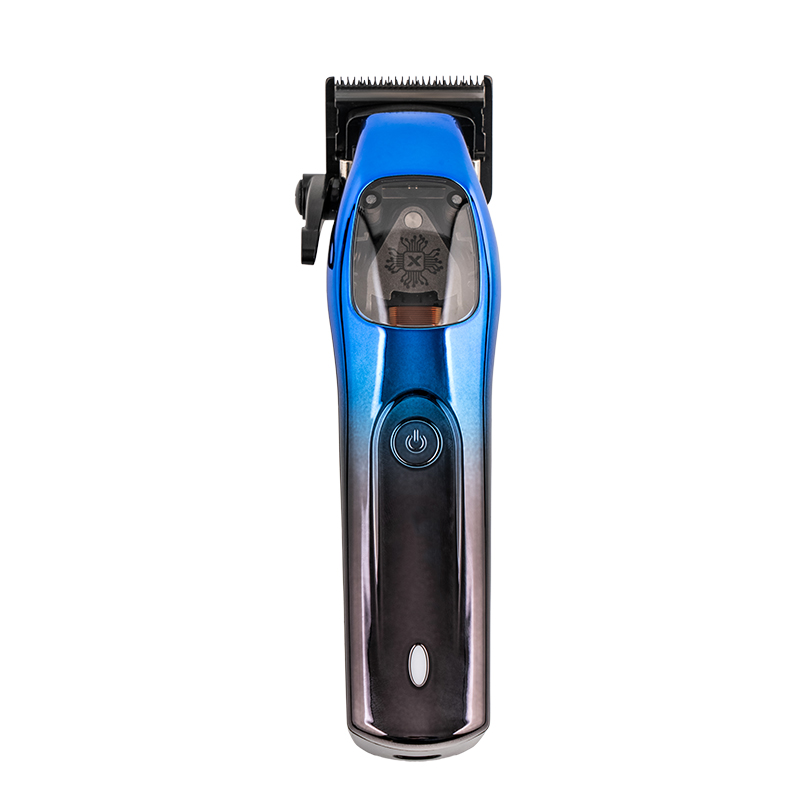
Professional barbers rely on specialized electric hair clippers designed to withstand continuous operation, deliver precise cutting power, and adapt to diverse hair textures throughout long work shifts. Unlike standard personal grooming tools crafted for occasional home touchups, commercial barbershop clippers feature heavy duty motors, advanced thermal regulation, high grade steel or ceramic blades, and durable casings engineered for professional environments. Understanding what electric hair clippers barbers use involves examining motor mechanics, brand engineering, blade metallurgy, and the specific cutting techniques required for modern hairstyling.
The professional hair care industry demands high performance instruments that can handle everything from bulk hair removal to smooth skin fades. Barbers typically select their equipment based on cutting speed, torque delivery, blade adjustability, and overall hand comfort. A professional station often contains multiple specialized units, each tuned for a distinct stage of the haircutting process.
Understanding the Core Clipper Motors Preferred by Professional Barbers
The internal motor dictates how electric hair clippers perform under varying cutting conditions. Professional hair clippers utilize three primary motor designs, each offering distinct advantages regarding torque, blade speed, and continuous thermal performance.
Rotary Motors: The Workhorses for All-Around Heavy Duty Cutting
Rotary motors deliver balanced power and speed, making them exceptionally versatile for high volume barbershop environments. These motors drive the cutting blade using a direct drive rotating shaft connected to an eccentric pin, converting rotational force into smooth linear motion.
Barbers favor rotary motor electric hair clippers when dealing with dense, coarse, or wet hair. Because rotary units maintain consistent power output regardless of hair volume, they rarely stall or pull when cutting through heavy sections. Contemporary cordless clippers often incorporate brushless rotary motors, which reduce internal friction, generate less operational heat, and prolong overall battery efficiency during back to back client appointments.
Magnetic Motors: High Speed and Precision for Fast Fades
Magnetic motors operate on electro-magnetic pulses generated by alternating current, causing an internal spring mechanism to vibrate at high frequencies. This design enables the cutting blade to cycle thousands of times per minute.
The elevated blade speed of magnetic motor electric hair clippers allows for extremely clean single-pass cutting on dry hair, which is ideal for fading and detailed line work. While magnetic motors offer lower torque compared to rotary alternatives, their rapid blade movement produces exceptionally smooth transitions between hair lengths. Barbers frequently select high speed magnetic units for quick flicking motions when blending faint fade lines.
Pivot Motors: High Power for Wet and Dense Hair Types
Pivot motors utilize a dual electromagnet arrangement that creates powerful blade strokes at lower speed frequencies. Although the stroke rate is lower than that of magnetic motors, the cutting force per stroke is significantly higher.
This substantial torque profile makes pivot motor clippers suitable for thick, curly, or damp hair textures that might resist faster magnetic blades. Barbers who regularly perform heavy initial shaping or work extensively with damp hair rely on pivot motor stability to maintain steady movement without dragging or pulling individual hair strands.
Top Electric Hair Clipper Brands Trusted in Professional Barbershops
Certain manufacturers have established long standing reputations in the grooming industry by producing consistent, professional grade electric hair clippers. Barbers often build their entire workspace toolkits around specific product lines from these recognized brands.
Wahl Professional Clipper Series and Legendary Performance
Wahl remains a dominant presence in professional barbershops worldwide. The manufacturer built its reputation on durable electromagnetic devices and has successfully adapted its traditional architecture into modern cordless platforms.
The Wahl Magic Clip, particularly in its cordless iteration, is widely utilized for seamless blending and skin fades. Its distinctive stagger-tooth blade technology feeds hair into the cutting teeth at varying intervals, producing a softer cut line that reduces visible guidelines. Another fixture in professional environments is the Wahl Senior, known for its high torque motor and durable housing, making it a primary choice for heavy bulk removal and precise tapering.
Andis Precision Clippers and T-Outliners
Andis holds a prominent position in barber culture, renowned for precision cutting machines and iconic detailing tools. The Andis Master series represents a standard in high speed magnetic clippers, featuring adjustable blade systems and robust aluminum enclosures.
Barbers value the Andis Master for tapering, fading, and all-around dry cutting performance. The weight of the metallic housing provides natural stability, while the side lever allows for precise length control. Additionally, the Andis T-Outliner and Slimline series serve as industry references for crisp edging, neck cleaning, and crisp hairline formation.
BaBylissPRO Metallic Ergonomic Cutting Tools
BaBylissPRO has gained substantial market presence across modern barbershops through heavy investment in ergonomic engineering and high speed motor development. Their FX series clippers feature distinctive cylindrical metal handles and brushless motors designed in collaboration with precision engineers.
These electric hair clippers feature high torque rotary performance paired with titanium, graphite, or diamond-like carbon blade surfaces. Barbers appreciate the weight distribution and balance of BaBylissPRO clippers, which helps minimize wrist strain during prolonged usage. Their zero-gap adjustment capability makes them effective for both bulk cutting and fine blending.
Oster Heavy Duty Detachable Blade Clippers
Oster represents traditional heavy duty barbering, best known for robust clippers utilizing interchangeable detachable blade systems. The Oster Classic 76 is a staple tool in traditional barbershops for heavy duty bulk removal and thick hair management.
Unlike clippers with built-in adjustable taper levers, detachable blade clippers rely on solid metal blade sets that snap directly on and off the drive lever. Each blade set represents a fixed hair length. Barbers prefer this setup for uniform lengths, clipper-over-comb techniques, and rapid sanitation between clients in busy shops.
Key Features Barbers Look for in Professional Electric Hair Clippers
When professional stylists select electric hair clippers, they evaluate specific build characteristics that directly impact daily performance, cutting efficiency, and ergonomic comfort.
Blade Technology and Material Quality
The metallurgy of the clipper blade determines sharpness retention, cutting smooth surface movement, and operating temperatures. Professional blades are crafted from diverse high performance materials.
-
High-carbon steel blades offer exceptional sharpness and edge retention, making them a standard for precision taper cuts.
-
Stainless steel blades provide high resistance to rust and moisture, ideal for shops handling wet hair cutting.
-
Ceramic top blades remain noticeably cooler during extended cutting sessions, reducing friction heat against client scalps.
-
Titanium and Diamond-Like Carbon coatings increase surface hardness, lower friction resistance, and extend operational blade longevity.
Corded versus Cordless Reliability and Battery Technology
The shift toward cordless electric hair clippers has transformed modern barbering workflows, granting uninhibited movement around the client chair. Advanced lithium-ion power cells deliver steady current, ensuring the motor maintains full speed until the charge is depleted.
Despite cordless popularity, many barbers maintain corded electric hair clippers as continuous backup options. Corded units guarantee uninterrupted power delivery without dependence on battery levels, making them practical for continuous bulk cutting during busy peak hours.
Taper Levers and Customization Adjustability
The side taper lever allows barbers to adjust the distance between the stationary guide blade and the moving cutting blade without changing plastic guards. This mechanism is critical for modern skin fading and gradient blending.
Some clippers incorporate a floating lever that adjusts smoothly across a continuous range, allowing for minute length modifications. Others use a click-lever system that locks into fixed notch increments. Click levers provide consistent, repeatable settings that ensure identical lengths on both sides of a haircut.
Ergonomics, Weight Distribution, and Heat Management
Because barbers spend six to ten hours daily holding cutting equipment, tool weight and grip design directly influence comfort and long term joint health. An unbalanced clipper forces the hand to compensate, increasing wrist fatigue.
Modern professional electric hair clippers utilize ergonomic contoured bodies and textured grip areas. Heat management is equally essential. Internal motor heat sinks and ventilation channels prevent heat transfer to the outer housing, ensuring comfortable handling during back to back cuts.
Specific Electric Hair Clippers for Different Barbering Techniques
A comprehensive haircut involves multiple distinct steps, requiring specialized electric hair clippers tailored to each task.
Bulk Removal and Rough Cutting Operations
Removing dense initial hair mass requires high torque and wide tooth pitch to prevent blade clogging and hair pulling. Barbers typically start haircuts using heavy duty detachable blade clippers or powerful rotary motor units equipped with larger guard sizes.
During bulk removal, the clipper must maintain consistent blade speed while cutting through thick sections. Tools with wider tooth openings efficiently gather and slice large volumes of hair, preparing the canvas for detailed tapering and shape refinement.
Seamless Fading and Skin Blending
Fading involves creating a smooth gradient transition from short skin length to longer upper sections. Achieving a clean fade requires electric hair clippers with precisely adjustable taper blades, fine tooth spacing, and predictable lever control.
Barbers utilize specialized fade blades featuring flat, thin lower profiles that allow the cutting edge to rest directly against the scalp. By gradually opening the taper lever from closed to fully open position while employing a flicking wrist motion, barbers smoothly blend lines between guide sizes.
Detailing, Edging, and Beard Architecture
Fine perimeter work around the ears, temples, neckline, and beard boundaries demands specialized hair trimmers equipped with fine, exposed T-blades. These smaller units are engineered specifically for sharp lines and detail work.
Detailing tools feature narrow blade profiles that afford clear visibility of the cutting edge. Many barbers zero-gap these trimmers, aligning the cutting blade perfectly flush with the stationary blade to achieve extremely close skin cuts without pinching or irritating sensitive skin.
Professional Clipper Class Matrix
The following table outlines the operational differences among primary professional clipper categories utilized in commercial barbershops.
|
Clipper Category |
Primary Motor Mechanism |
Target Hair Operation |
Key Operational Advantage |
|---|---|---|---|
|
Detachable Blade Clippers |
High Torque Heavy Duty Rotary |
Fast Bulk Hair Removal |
Instant blade changes for precise fixed length cuts |
|
Adjustable Taper Clippers |
Rotary or High Speed Magnetic |
Fading, Blending, and Tapering |
Continuous lever control for gradual length adjustments |
|
High Speed Magnetic Clippers |
Electro-Magnetic Pulse Drive |
Precision Dry Hair Cutting |
High blade stroke rate producing smooth single pass cuts |
|
Detailing Trimmers |
Compact Micro Rotary or Magnetic |
Lineups, Edging, Beard Shaping |
Narrow exposed blades providing high visibility and close skin contact |
Essential Accessories and Maintenance Protocols Barbers Use Daily
To preserve mechanical efficiency, cutting accuracy, and client hygiene standards, professional barbers adhere to disciplined daily maintenance routines for their electric hair clippers.
Blade Cleaning Solutions and Disinfection Protocols
Hygienic standards require barbers to disinfect all electric hair clipper blades between clients. Barbers utilize specialized five in one aerosol sprays that clean, cool, lubricate, disinfect, and prevent rust build up on cutting surfaces.
Periodically throughout the day, barbers remove accumulated hair clippings from between the blade teeth using stiff cleaning brushes. Deep sanitation involves removing blade sets completely to clear trapped hair from the drive lever cavity and internal housing.
Lubrication Techniques to Extend Tool Lifespan
Proper lubrication reduces mechanical friction, minimizes heat development, and prevents blade dulling. Barbers apply three drops of professional clipper oil across the top cutting teeth and one drop on each back blade glide point before or after every haircut session.
Using purpose-formulated clipper oil is vital. Standard oils or heavy petroleum lubricants can trap micro hair dust, create sticky residues, and gum up internal motor assemblies, which slows blade movement and strains power components.
Attachment Combs and Guard System Selection
Professional guard systems are critical accessories that determine cutting depth accuracy. Unlike flexible consumer guards, professional guard sets utilize rigid plastic formulations reinforced with glass or mineral fills, or feature firm metal attachment clips.
High quality guard systems resist bending under cutting pressure, ensuring an even haircut height across varying scalp contours. Premium guards fit securely onto the clipper blade assembly, preventing slippage or rattling during high speed operation.
Technical Considerations When Choosing Professional Clippers
Selecting professional electric hair clippers involves matching tool specifications to individual cutting styles, hand size, and daily client volume.
Barbers who focus primarily on high volume, quick turnover haircuts often prioritize high speed cordless rotary clippers with light composite housings. Conversely, traditional barbers who specialize in classic tapered styles, heavy beard work, and precise shear over comb techniques may prefer substantial metal encased magnetic or detachable units.
Equipment durability and serviceability are critical factors. Professional barbers favor electric hair clippers with readily available replacement parts, including drive cams, tension springs, replacement blades, and charging docks. This serviceability allows tools to remain in daily commercial service for years through routine maintenance and component updates.
+86-574-62151741
+86-13655842900
laituo@google.com
No. 22 Liufang Road, Yuyao Industrial Park, Ningbo City, China
Copyright © Yuyao Laituo Electric Appliance Co., Ltd. All Rights Reserved
OEM/ODM Hair Removal Tool Epilator Manufacturers
