
 русский
 Français
 Español
 Deutsch
 عربى
عربى
What Is the Best Hair Shaver and Top Electric Hair Clippers for Each Use Case
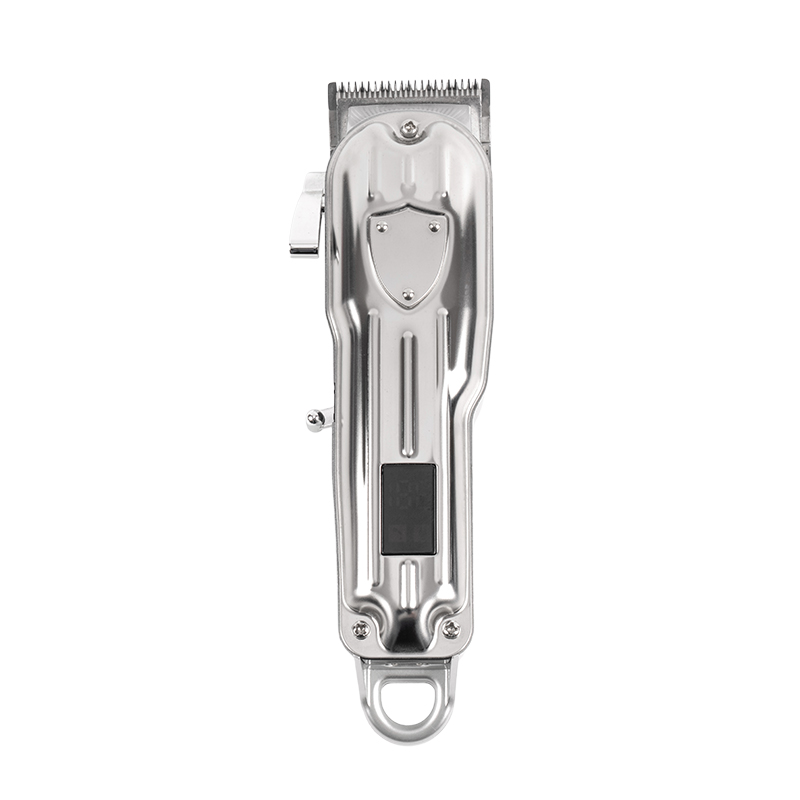
What is the best hair shaver depends entirely on the primary use case: for a bald head shave, the Skull Shaver Pitbull Gold Pro and the Braun Series X are the most widely recommended tools; for professional clipper work, the Wahl Professional 5-Star Magic Clip and the Andis Master Cordless are the industry standard Barber Electric Trimmer and clipper choices; and for home hair cutting and general body maintenance, the Wahl Color Pro and the Philips Norelco Multigroom 7000 deliver the best value in cordless electric hair clippers at USD 30 to USD 80.
The four categories covered by these keywords — bald head shavers, professional barber tools, general cordless electric hair clippers, and consumer head shavers — require completely different blade geometries, motor specifications, and ergonomic designs. Buying a Barber Electric Trimmer for bald head shaving, or using a consumer electric hair clippers set on a tight fade, produces poor results because neither tool is designed for the other's intended use. Understanding which category addresses your actual grooming need is the single most valuable piece of information in this guide.
For men with thinning hair deciding whether to commit to a bald look, what is the best hair shaver in practical terms is the tool that produces the lowest-friction, fastest transition from thinning coverage to a fully shaved scalp with minimum irritation and the shortest learning curve. The Skull Shaver Gold Pro and the Remington Balder Pro address this need specifically with rotary head designs that follow scalp curvature in all directions without requiring the user to develop manual clipper technique first.
Electric Hair Clippers: Understanding the Core Technology Before You Buy
Electric hair clippers cut hair by passing a moving blade (the cutter) across a fixed blade (the guide or heel) at high speed, shearing hair at the point where the two blades overlap. The motor, blade material, blade gap setting, and guard size system determine everything about how the clipper performs — from closeness and speed to noise and heat. Every serious buyer of electric hair clippers should understand these four variables before comparing specific models.
Motor Types in Electric Hair Clippers
The three motor types used in electric hair clippers produce meaningfully different performance characteristics that determine which professional or consumer market each type serves:
- Rotary (pivot) motor: The most common motor in consumer electric hair clippers and entry-level cordless electric hair clippers. A rotary motor drives the blade directly with an eccentric cam mechanism, producing moderate blade speeds of 3,000 to 6,000 strokes per minute. Rotary motor clippers are lightweight, quiet, and adequate for general home cutting of straight, fine to medium hair. They are not powerful enough for dense, coarse, or heavily textured hair at full clipper blade width without slowing or stalling.
- Magnetic motor: Uses an electromagnetic coil to drive the blade through a reciprocating action. Magnetic motors produce higher blade speeds (6,000 to 14,000 strokes per minute) and significantly higher cutting torque than rotary motors of comparable size. The Wahl Detailer and Andis Fade Master use magnetic motors that produce 7,200 and 14,000 strokes per minute respectively, the speed difference being directly responsible for the Andis tools' superior performance on dense or textured African American hair textures that the lower-speed Wahl struggles to cut smoothly in a single pass.
- Brushless (electromagnetic) motor: The technology standard in premium professional cordless electric hair clippers introduced since 2018. A brushless motor has no physical contact between the moving rotor and the fixed stator, eliminating the friction heat and progressive wear that limits the service life of brush-type motors. Brushless cordless electric hair clippers (Wahl Senior Cordless, Andis Master Cordless, BaBylissPRO FXONE) produce higher torque at lower heat generation, maintain consistent blade speed under varying hair loads without the speed drop that magnetic motor clippers exhibit when pushed through dense sections, and have significantly longer service life before requiring motor replacement. The premium cost of brushless cordless electric hair clippers (USD 150 to USD 350) reflects this performance and longevity advantage over magnetic motor alternatives at USD 60 to USD 150.
Blade Material and Gap: What Determines Cutting Closeness
The blade of electric hair clippers determines the minimum hair length achievable and the quality of the cut line. Two material choices dominate the market:
- Carbon steel blades: The standard for professional Barber Electric Trimmer and clipper products. Carbon steel takes and holds a sharper edge than stainless steel at equivalent hardness, producing cleaner cut lines and smoother cut ends that make fades and blended transitions look professional rather than jagged. Carbon steel blades require light oiling every session (2 to 3 drops of clipper oil on the blade teeth before use) to prevent corrosion and maintain cutting performance. The Wahl Professional 5-Star blades and Andis Master blades are carbon steel and are widely considered the benchmark for blade sharpness in professional electric hair clippers.
- Stainless steel blades: Dominant in consumer cordless electric hair clippers and all wet-use clippers. Stainless steel resists corrosion without oiling and is safe for wet use in shower-environment clippers. The trade-off is that stainless steel holds a sharp edge for fewer cutting hours than carbon steel before noticeable dulling occurs, requiring either more frequent blade replacement or more frequent professional sharpening.
- Titanium or ceramic coated blades: Found in premium consumer cordless electric hair clippers (Philips Norelco series, Remington series). Titanium or ceramic coatings on the blade surface reduce friction against the guide blade, generating less heat during extended use. Less blade heat means greater comfort for the person being clipped and reduced risk of the clipper blade feeling uncomfortably hot against the scalp — a common complaint about consumer electric hair clippers used for longer home sessions.
Blade gap (the distance between the teeth of the cutter and guide blades) determines the minimum closeness of the cut without any guard attached. Most professional electric hair clippers and Barber Electric Trimmer units allow the blade gap to be adjusted by a lever or dial on the tool body. Closing the gap (moving the cutter blade down so it aligns with the guide blade tips) produces the closest possible cut. Opening the gap slightly reduces the risk of skin contact on curved skull areas and is the setting used for bulk hair removal. The zero gap adjustment (fully closing the blade gap by manual blade alignment) is a professional technique used by barbers to produce skin-level fade lines and is one reason why professional Barber Electric Trimmer models are specified to allow this adjustment while most consumer models are fixed-gap by design.
The Best Head Shaver for Bald Head: What Makes a Rotary Scalp Shaver Different From a Clipper
The best head shaver for bald head maintenance is not electric hair clippers or a Barber Electric Trimmer — it is a purpose-designed rotary or foil scalp shaver whose cutting system is engineered specifically for the curved geometry of the scalp and the goal of removing all visible hair to skin level in a single tool pass without requiring a mirror, a second person, or clipper technique. Understanding why the scalp shaver category exists as a distinct product from electric hair clippers allows buyers to make the correct choice for their actual goal.
Why Electric Hair Clippers Are Not the Best Head Shaver for Bald Head
Electric hair clippers are designed to cut hair to a specific length (determined by the guard size), not to skin level, and their straight rectangular blade design requires linear strokes in a consistent direction to cut evenly. On the curved surface of the scalp — which has convex curves at the crown, concave curves at the temples, and complex geometry at the back of the head — maintaining a consistent blade-to-skin angle with electric hair clippers requires practice, a second mirror (or another person), and significantly more time than a purpose-designed scalp shaver requires.
The best head shaver for bald head use addresses these geometric challenges by using a multi-head rotary cutting system (typically three, four, or five circular cutting heads arranged in a pattern that follows the skull's curvature in any direction of movement) or a curved foil system that conforms to scalp contours. The Skull Shaver Pitbull Gold Pro with its five-blade rotary head system can shave a complete scalp in 3 to 5 minutes without a mirror, a result that would take an experienced barber using electric hair clippers and a razor 15 to 25 minutes to achieve at equivalent closeness — and that an untrained home user with clippers would struggle to achieve at any time.
Rotary vs Foil: The Best Head Shaver for Bald Head Technology Choice
The same foil-versus-rotary technology decision that applies to facial electric shavers applies to the best head shaver for bald head selection, but with the scalp-specific geometry consideration shifting the recommendation more strongly toward rotary for most users:
- Rotary scalp shavers (Skull Shaver Gold Pro, HeadBlade ATX): Multiple circular cutting heads arranged in a flexible array that expands and contracts to maintain contact with the full scalp surface across curved areas. The rotary mechanism captures hair growing in any direction without requiring the user to stroke against the grain, and the flexible head array continuously adapts to skull contour changes as the tool moves across the head. Rotary scalp shavers are the recommended choice for the best head shaver for bald head in users shaving 3 or more days of growth, users whose scalp has significant curvature variation, and users who want to shave without a mirror by feel alone.
- Foil scalp shavers (Braun Series X, Remington Balder Pro): A curved foil strip (wider and more curved than the foil in a facial electric shaver) that follows the scalp surface in a single shaving direction. Foil scalp shavers produce a slightly closer and smoother result than rotary on very short stubble (less than 2 days of growth) because the foil perforations capture and cut very short hairs more efficiently than the rotary guard slots at this hair length. The trade-off is that foil scalp shavers are less effective on 3 to 7-day growth and require more careful stroke coverage management to avoid missed patches than the multi-head rotary design. For men who maintain a fully shaved head and shave every 1 to 2 days, a foil scalp shaver is the better choice for the best head shaver for bald head because of its superior closeness on short stubble. For men shaving every 3 to 7 days, rotary is the more practical and complete choice.
The Best Head Shaver for Bald Head: Key Specifications to Evaluate
| Specification | Minimum Recommended | Premium Level | Why It Matters for Bald Head Use |
|---|---|---|---|
| Cutting head type | 3-head rotary | 5-head rotary or wide curved foil | More heads or wider foil reduces shaving passes needed for full scalp coverage |
| Waterproof rating | IPX5 | IPX7 | Wet shaving with shaving gel reduces scalp irritation; rinse cleaning simplifies post-shave maintenance |
| Battery runtime | 40 minutes | 60 to 90 minutes | Head shaving takes 3 to 8 minutes per session; 40 minutes provides 5 to 12 sessions between charges |
| Head flexibility | Single pivot | Omnidirectional float | Scalp curvature is more complex than facial geometry; better flex means fewer missed areas |
| Handle ergonomics | Standard pencil grip | Ergonomic palm grip (Skull Shaver style) | Ergonomic palm grip allows full scalp coverage without awkward wrist angles on back of head |
| Replacement blades cost | Under USD 25 per set | Available and under USD 40 per set | Head shaving uses blades more aggressively than facial shaving; replacement frequency is 6 to 12 months |
Barber Electric Trimmer: Professional Grade Tools and Why They Matter
A Barber Electric Trimmer is a precision cutting tool designed and built to the performance standards required in a professional barbershop environment: continuous all-day use, consistent blade sharpness over hundreds of client cuts, zero-gap adjustment capability for skin-level fade lines, and the minimal vibration and noise profile that allows a barber to communicate with the client during the service. Consumer electric hair clippers and cordless electric hair clippers marketed to home users do not meet these standards by design, because the engineering trade-offs made to reduce cost and weight for occasional home use produce tools that fail the professional requirement for daily sustained performance.
What Separates a Professional Barber Electric Trimmer From Consumer Clippers
- Motor power and sustained performance under load: A professional Barber Electric Trimmer motor maintains its rated blade speed consistently across a full day of dense, textured hair cutting without thermal throttling. Consumer cordless electric hair clippers slow down when pushed through thick or coarse hair sections because their motors do not have sufficient thermal headroom to sustain peak output continuously. In a professional setting this speed variation produces uneven fade lines and requires the barber to make additional corrective passes; in home use the same limitation is a minor inconvenience that most users tolerate because sessions are infrequent.
- Blade precision and zero gap capability: Professional Barber Electric Trimmer products including the Andis Master, Wahl Senior, and BaBylissPRO FX870 have blade assemblies machined to tighter tolerances than consumer clippers, with adjustment levers that hold the blade position consistently after zero-gap setting without slipping during use. A professional Barber Electric Trimmer that holds zero gap for 30 minutes of continuous fading produces a cleaner skin-level fade line than a consumer clipper that slips even 0.1 mm from zero during the same period, because 0.1 mm of blade gap at the fade line is visible as a faint shadow rather than a true skin-level cut when light catches the scalp at an angle.
- Ergonomics for extended professional use: Professional Barber Electric Trimmer products are balanced for one to two hour continuous use, with vibration patterns and grip shapes that reduce wrist fatigue compared to consumer products designed for 15 to 30 minute home sessions. The Andis Master Cordless and Wahl 5-Star Senior weigh approximately 230 to 270 grams — light enough for sustained one-handed use without fatigue while heavy enough to provide the stability needed for precise line-up work at slow, controlled speeds.
- Build quality and service life: A quality professional Barber Electric Trimmer is expected to provide 5 to 10 years of daily professional use before the motor requires replacement or the tool body is retired. Consumer cordless electric hair clippers at USD 30 to USD 80 are typically designed for 3 to 5 years of weekly home use, a fundamentally different service life expectation that reflects the lower structural durability of their motor housings, blade drives, and charging ports.
The Three Barber Electric Trimmer Product Categories
The professional Barber Electric Trimmer market divides into three distinct product categories with specific functions in the barber's tool kit:
- Full-size clipper: Used for bulk hair removal and tapering. The Wahl Professional 5-Star Magic Clip (cordless) and Andis Master (corded or cordless) are the most widely used full-size clipper bodies globally. Full-size clippers have a blade width of 38 to 45 mm, allowing rapid coverage of large scalp areas when removing length or tapering the sides. They are not used for close line work because their wider blade makes fine-detail edge definition physically awkward.
- Outliner or T-blade trimmer: The small, narrow-bladed Barber Electric Trimmer used for hairline definition, beard line-up, and detail work. The T-shaped blade of the Wahl Detailer, Andis Slimline Pro Li, and BaBylissPRO FXONE is 30 to 35 mm wide with a straight, sharp edge that allows the barber to define a clean line against the skin. This tool cannot remove bulk hair efficiently because of its narrow blade, but its precision line-up capability is unmatched by any other tool in the barber's kit. The outliner T-blade trimmer is the Barber Electric Trimmer most responsible for the quality of the finished haircut line, and barbers who invest in the professional-grade version (Andis Slimline Pro Li at USD 80 to USD 110) versus the consumer version (Wahl Detailer at USD 30) notice a meaningful difference in edge sharpness and consistency that is visible in the finished fade line.
- Foil shaver for barbershop use: Some barbershops use a professional-grade foil shaver (Andis ProFoil, Wahl 5-Star Finale) as the final step in a fade service to remove the very short stubble at the base of the fade line and produce a true skin-level finish without a blade razor. This foil finishing tool is used in conjunction with full-size clippers and outliner trimmers rather than as a replacement for either.
Cordless Electric Hair Clippers: What to Prioritize for Home Use
Cordless electric hair clippers for home use are the fastest-growing segment of the electric hair clipper market, driven by the improving battery technology that now allows consumer cordless tools to sustain professional-grade blade speeds for 60 to 120 minutes between charges. Buyers evaluating cordless electric hair clippers for home cutting should prioritize five specifications in this order of practical importance.
Battery Runtime and Charge Time
The battery runtime of cordless electric hair clippers determines how many complete haircuts can be performed between charges. A standard at-home haircut for one person takes 15 to 30 minutes of active cutting time; a family of four cutting hair at home every 3 to 4 weeks needs approximately 60 to 120 minutes of total cutting time per session. The minimum adequate battery runtime for family use is 60 minutes; 90 minutes provides comfortable headroom for multi-person sessions without mid-session recharging.
- Entry-level cordless electric hair clippers (USD 20 to USD 50): 30 to 45 minutes runtime, suitable for single-person single-haircut sessions with recharge overnight between uses. Examples: Remington HC4250, Philips Norelco HC5100.
- Mid-range cordless electric hair clippers (USD 50 to USD 100): 60 to 90 minutes runtime, suitable for family use or multi-person sessions. Examples: Wahl Color Pro Cordless, Philips Norelco HC7452.
- Premium consumer cordless electric hair clippers (USD 100 to USD 200): 90 to 120 minutes runtime, brushless motor, titanium or ceramic coated blades. Examples: Wahl Lithium Ion Pro, BaBylissPRO LoPROFX. At this price and runtime level, the tool approaches professional Barber Electric Trimmer performance while remaining priced for serious home users.
Guard Set and Taper Lever
The guard set (the plastic comb attachments that hold the clipper blade at a fixed distance from the scalp) determines what hair lengths the cordless electric hair clippers can produce. Standard home sets include guards from 1 (3 mm) to 8 (25 mm), covering the full range of clipper lengths needed for standard short to medium haircut styles. Some cordless electric hair clippers (particularly value-priced sets) include only 4 to 6 guards, which is adequate for simple uniform cuts but insufficient for layered or tapered styles that require intermediate lengths between the available guard sizes.
The taper lever (a lever on the tool body that shifts the cutter blade position relative to the guide blade without changing the guard) allows the operator to blend between guard sizes without swapping guards, producing smooth graduated length transitions. A taper lever is standard on professional Barber Electric Trimmer models and present on many mid-range to premium cordless electric hair clippers; it is absent on most entry-level consumer sets. For buyers who want to produce faded or tapered styles at home, the taper lever is an essential feature that should be confirmed before purchase.
Noise and Vibration for Home Use
Consumer cordless electric hair clippers with rotary motors and light plastic construction often produce higher noise levels (85 to 95 decibels at 1 metre distance) than professional Barber Electric Trimmer products with optimized motor balance and heavier dampened housings (65 to 75 decibels). For households where children are being cut or where noise sensitivity is a consideration, the noise and vibration difference between a well-reviewed mid-range cordless electric hair clippers set and an inexpensive entry-level model is noticeable and worth the incremental cost. Brushless motor cordless electric hair clippers also run quieter than brush-type motor equivalents because the absence of brush-to-commutator contact eliminates the mechanical buzzing that characterizes older motor technologies.
Corded vs Cordless: The Remaining Trade-Off in Electric Hair Clippers
For purely professional Barber Electric Trimmer and barbershop clipper applications, corded tools remain relevant because the power delivered through the cord is unlimited (no battery depletion mid-service) and the tool weight is lower (no battery pack). For home electric hair clippers, the corded-versus-cordless trade-off has been essentially resolved in favor of cordless since 2020 as battery technology improved: the freedom of movement provided by a cordless tool has more practical value for home users than the modest power advantage of a corded connection that is only significant for continuous professional-volume use.
What Is the Best Hair Shaver for Men Going Bald: A Practical Decision Guide
What is the best hair shaver for a man who is transitioning from thinning hair to a fully shaved head is a more emotionally loaded and practically complex question than what is the best hair shaver for a man who has already committed to the bald look. The transition involves both a physical process (removing remaining hair and managing scalp skin that has not been directly exposed to shaving before) and a personal confidence process that goes at the pace the individual chooses. The best hair shaver choice supports both dimensions.
Step One: Clipper Down With Cordless Electric Hair Clippers
If the current hair length is above 10 to 15 mm, the first step toward a bald look is using cordless electric hair clippers without a guard (or with the smallest guard, a 0.5 mm to 1 mm setting) to remove bulk length before the scalp shaver can function effectively. Most scalp shavers (rotary or foil) are designed for use on 3 to 5 mm maximum growth; attempting to use a scalp shaver on longer hair produces clogging, pulling, and poor results. A basic set of cordless electric hair clippers at USD 25 to USD 50 is adequate for this initial reduction step and does not need to be the same high-quality tool used for styled cutting.
Step Two: First-Time Scalp Shave With the Best Head Shaver for Bald Head
After reducing length to under 5 mm with cordless electric hair clippers, use the best head shaver for bald head (rotary type recommended for first use) with shaving gel or foam on the scalp. Shaving gel provides three benefits in the first-time scalp shave: it reduces blade-to-skin friction on scalp skin that has not been exposed to direct shaving contact before; it makes missed patches visible because the gel is displaced by the shaver head in each area that has been shaved; and it allows the operator to feel the shaver head gliding smoothly across the scalp rather than dragging, which is the tactile feedback that confirms adequate lubrication is present.
- Expected result on first shave: A close but not perfect result, with possible missed patches at the crown and behind the ears where the scalp curvature is most complex. This is normal and expected even with the best head shaver for bald head. A second pass after rinsing the first pass's clippings from the shaver heads achieves a significantly more complete result. Most first-time bald head shavers require 2 to 3 shave sessions on consecutive days before the process becomes comfortable and the result consistently complete.
- Post-shave scalp care: Newly shaved scalp skin is more sensitive to UV exposure than scalp skin covered by hair. Apply SPF 30 or higher sunscreen to the scalp before outdoor exposure on the day of shaving and on subsequent days until the scalp's natural UV tolerance adapts (typically 2 to 4 weeks for the initial heightened sensitivity to normalize). Use a fragrance-free moisturizer on the scalp after each shave to prevent the dryness and flaking that can occur when scalp skin — previously protected from direct evaporation by the hair cover — is first exposed to direct air contact through shaving.
Choosing Between a Dedicated Scalp Shaver and a Multi-Use Tool
Men who want one tool that handles both head shaving and general body grooming have two viable options:
- Philips Norelco Multigroom series (7000 or 9000): A multi-attachment system where the same cordless power unit accepts a scalp shaving head, a precision hair trimmer head, a beard trimmer head, and body grooming attachments. The scalp shaving attachment for the Multigroom 7000 is not equivalent in closeness to a dedicated best head shaver for bald head tool, but it is adequate for maintaining a very short shaved look (1 to 2 mm) and provides the convenience of a single tool and single charging cable for all grooming needs.
- Dedicated scalp shaver plus separate cordless electric hair clippers: The combination of a Skull Shaver Gold Pro (USD 80 to USD 120) for the best head shaver for bald head result plus a separate entry-level cordless electric hair clippers set (USD 25 to USD 40) for the initial bulk reduction step produces significantly better scalp shaving results than any combination tool, at a total investment of USD 105 to USD 160. For men who commit to maintaining a shaved head long term, the dedicated tools are the better investment because the scalp shaving quality they produce is meaningfully superior to any attachment-based compromise.
Comparison of Electric Hair Clippers, Barber Electric Trimmer, and Head Shavers by Use Case
| Tool Category | Primary Use | Top Model Example | Price Range (USD) | Not Suitable For |
|---|---|---|---|---|
| Cordless electric hair clippers (consumer) | Home haircuts, length management, initial bald transition | Wahl Color Pro Cordless | 30 to 80 | Precision fade lines, all-day professional use |
| Barber Electric Trimmer (full-size clipper) | Professional fades, tapers, bulk removal in barbershop | Andis Master Cordless | 120 to 250 | Skin-level scalp shaving, fine beard detail work |
| Barber Electric Trimmer (outliner, T-blade) | Hairline definition, beard line-up, detail finishing | Andis Slimline Pro Li | 80 to 130 | Bulk hair removal, scalp shaving |
| Rotary head shaver (scalp) | Bald head maintenance, scalp shaving without mirror | Skull Shaver Gold Pro | 80 to 140 | Hair cutting with guards, face shaving |
| Foil scalp shaver | Daily close scalp shave on very short stubble | Braun Series X | 60 to 120 | Hair cutting, 3+ day growth on scalp |
| Multi-use grooming system | Combined beard, head, and body grooming | Philips Norelco Multigroom 9000 | 60 to 100 | Professional-quality performance in any single category |
Maintenance and Blade Care for Electric Hair Clippers and Head Shavers
The single most common reason that electric hair clippers and the best head shaver for bald head tools underperform their potential is inadequate blade maintenance. Clean, oiled, aligned blades cut cleanly and comfortably; dirty, dry, or misaligned blades tug, stall, and produce uneven results. Both electric hair clippers and scalp shavers require specific and consistent maintenance to deliver the performance their specifications promise.
Oiling Electric Hair Clippers and Barber Electric Trimmer Blades
Carbon steel blades on professional electric hair clippers and Barber Electric Trimmer products require oiling before each use session to maintain cutting sharpness and prevent corrosion. The correct procedure: apply 2 to 3 drops of clipper oil across the entire width of the blade teeth while the tool is running, then hold the tool upside down for 3 to 5 seconds to allow the oil to wick into the blade-to-blade contact surfaces by centrifugal distribution. Wipe the excess oil from the blade exterior with a soft cloth before beginning the haircut to prevent oil from transferring to the client's hair or scalp. Professional barbers using a Barber Electric Trimmer in continuous all-day operation oil the blade every 30 to 45 minutes during use in addition to the before-session oiling. Studies of professional clipper performance show that properly oiled blades maintain their rated cutting efficiency for 3 to 4 times longer than equivalent blades used without oiling, directly reducing the frequency of blade replacement and professional resharpening that represent the primary consumable cost of electric hair clippers in a professional setting.
Cleaning After Each Use
- Electric hair clippers and Barber Electric Trimmer: After each session, remove the blade from the clipper body (most professional models have a quick-release blade) and brush all hair clippings from the blade teeth, the blade drive area, and the clipper housing vent areas with the included blade brush or a stiff-bristle cleaning brush. Re-attach the blade and apply fresh oil before storing. Do not use compressed air to blow clippings out of the motor housing, as this drives clippings into the motor coil where they accumulate and reduce motor cooling airflow over time.
- Head shavers (rotary and foil): For waterproof models, rinse the cutting heads under running warm water while the shaver runs to flush hair clippings from the head mechanism. For non-waterproof models, open the head assembly and brush clippings from the cutting elements with the included brush. Replace the water rinse with a dry cleaning cycle for the best head shaver for bald head tools that include a cleaning mode (a high-speed spin cycle that removes trapped clippings by centrifugal force). Lubricate rotary head cutters monthly with 1 drop of clipper or sewing machine oil per head cutter to maintain smooth rotation and reduce blade-to-guard friction wear.
When to Replace Blades
The blade replacement schedule for electric hair clippers, Barber Electric Trimmer tools, and head shavers depends on use frequency and hair type, but practical indicators apply regardless of hours of use:
- Replace electric hair clipper and Barber Electric Trimmer blades when you feel tugging or pulling during a cut that did not occur when the blades were new, or when the cut line appears ragged under close inspection rather than clean and sharp.
- Replace the best head shaver for bald head cutting elements when more shaving passes are needed to achieve a clean result than previously, or when the scalp feels noticeably more irritated after shaving than it did earlier in the tool's use. For daily scalp shavers, blade replacement every 6 to 9 months is typical; for shavers used every 2 to 3 days, 10 to 14 months is a realistic replacement interval.
- Professional blade resharpening is available for quality carbon steel Barber Electric Trimmer and clipper blades through professional blade sharpening services (typically USD 5 to USD 15 per blade set) and extends blade service life between replacements. Consumer-grade stainless steel blades are generally replaced rather than resharpened because the cost of sharpening approaches or exceeds the cost of a new consumer-grade blade set.
Frequently Asked Questions
1. What is the best hair shaver for a man who wants to go bald?
What is the best hair shaver for a man transitioning to a bald look is a two-tool process: first, a basic set of cordless electric hair clippers (any model at USD 25 to USD 50 with a full guard set) to clip the existing hair down to under 5 mm, and second, a purpose-designed scalp shaver to take the reduced length to skin level. For the scalp shaving step, the Skull Shaver Pitbull Gold Pro (five head rotary, USD 100 to USD 130) and the Braun Series X (foil, USD 70 to USD 100) are the most widely recommended best head shaver for bald head tools currently available. The Skull Shaver is better for men shaving every 3 to 7 days because of its superior performance on longer stubble and its ergonomic palm grip that simplifies reaching the back of the head without a mirror. The Braun Series X is better for men who plan to shave every 1 to 2 days because of its superior closeness on very short stubble. Both are IPX7 waterproof, allowing use with shaving gel for a more comfortable first-time scalp shave experience.
2. Are electric hair clippers good for shaving a bald head?
Electric hair clippers can reduce hair length in preparation for scalp shaving but are not the best tool for achieving and maintaining a skin-level bald head appearance. Standard electric hair clippers with no guard attached leave approximately 0.5 to 1 mm of visible stubble (visible as a shadow on the scalp) rather than the skin-level result that a purpose-designed scalp shaver or a wet razor achieves. Additionally, using electric hair clippers on the curved back and crown of the scalp without assistance requires significant skill and the use of two mirrors to see the cutting area, which is impractical for most men maintaining a bald look independently. The purpose-built best head shaver for bald head tools (rotary and foil scalp shavers) address all these limitations by design and produce better bald-head results with significantly less effort and skill required from the user.
3. What makes a Barber Electric Trimmer different from consumer electric hair clippers?
A professional Barber Electric Trimmer differs from consumer electric hair clippers in four primary ways: motor type and power (professional tools use brushless or high-speed magnetic motors that maintain consistent blade speed under heavy load; consumer tools use lower-powered rotary motors that slow under dense hair sections); blade material and precision (professional carbon steel blades hold a sharper edge longer and allow zero-gap adjustment for skin-level fade lines; consumer stainless steel blades are corrosion resistant but hold a sharp edge for fewer cutting hours); build quality and service life (professional tools are designed for 5 to 10 years of daily professional use; consumer tools are designed for 3 to 5 years of weekly home use); and ergonomics for sustained use (professional tools are balanced for 1 to 2 hour continuous use; consumer tools for 15 to 30 minute home sessions). These differences justify the 2x to 5x higher price of professional Barber Electric Trimmer products over consumer equivalents for barbers who use the tools daily, but most home users do not need professional-grade performance and are better served by mid-range cordless electric hair clippers at USD 50 to USD 100.
4. What is the best head shaver for a bald head with a sensitive scalp?
The best head shaver for a bald head with a sensitive scalp combines four features that reduce irritation during and after the shave: IPX7 waterproof certification to allow use with shaving gel (which lubricates the shaver-to-scalp contact and reduces friction-induced irritation); multiple independently floating cutting heads that maintain even, light contact pressure across scalp curvature variations rather than pressing firmly against any one area; a smooth-edged guard slot design (rather than sharp-edged slots that catch skin in sensitive or uneven scalp areas); and the availability of replacement cutting elements when the original elements become worn, because dull blades cause significantly more irritation than sharp blades on sensitive skin. The Skull Shaver Evo Pro and the Panasonic ARC5 Head (a foil scalp version of the Arc5 platform) are the most frequently recommended best head shaver for bald head tools specifically for sensitive scalp users, based on independent sensitivity testing and user reviews from men who have transitioned from manual wet razor head shaving to electric scalp shaving.
5. How long does the battery last on cordless electric hair clippers?
Battery runtime on cordless electric hair clippers ranges from 30 minutes on entry-level consumer models to 120 minutes on premium brushless motor models, with the majority of mid-range cordless electric hair clippers providing 60 to 90 minutes of active cutting time per charge. A single haircut for one person takes 15 to 30 minutes of active cutting time, meaning even a 60-minute runtime tool provides 2 to 4 complete haircuts between charges at home use frequency. For families cutting hair for multiple people in a single sitting, confirm the total estimated session time before selecting a runtime specification: 4 people at 20 minutes each requires 80 minutes of runtime minimum. Most quality cordless electric hair clippers reach approximately 80% charge capacity in 60 to 90 minutes and full charge in 2 to 3 hours, with some premium models offering a quick charge function (10 to 15 minutes for a single-haircut charge) comparable to the quick charge functions found on premium facial electric shavers.
6. What guard size should I use on electric hair clippers for common haircut lengths?
Guard size on electric hair clippers corresponds to hair length after cutting: guard number 1 leaves approximately 3 mm, guard 2 leaves 6 mm, guard 3 leaves 9 mm, guard 4 leaves 12 mm, guard 5 leaves 16 mm, guard 6 leaves 19 mm, guard 7 leaves 22 mm, and guard 8 leaves 25 mm. Common haircut styles correspond to specific guard ranges: a buzz cut uses guard 2 to 4 for uniform coverage; a high fade uses guard 1 at the base transitioning to 3 or 4 on top; a short crew cut uses guard 3 to 4 on top with blended sides; and a long top with short sides typically uses guard 6 to 8 on top with guard 1 to 2 at the sides. For the initial step of transitioning to a bald head, no guard is used (bare blade) on cordless electric hair clippers to achieve the minimum length before switching to the scalp shaver.
7. How often should I oil my electric hair clippers or Barber Electric Trimmer?
Oil the blades of electric hair clippers and Barber Electric Trimmer products before each cutting session, and additionally every 30 to 45 minutes during a professional all-day use session. The correct method is 2 to 3 drops of dedicated clipper oil applied across the full width of the teeth while the tool is running, allowing the oil to wick into the blade contact surfaces by the blade's reciprocating action. Run the tool for 10 seconds after applying oil to ensure complete distribution, then wipe excess oil from the blade exterior to prevent oil transfer to the hair being cut. Proper oiling before every session is the single maintenance action with the greatest impact on blade longevity and cutting performance, extending blade service life by 3 to 4 times compared to unlubricated use of the same blade.
8. Can I use a Barber Electric Trimmer on my head for a bald look?
A Barber Electric Trimmer used without any guard can reduce hair to approximately 0.5 to 1 mm length on the scalp, but it cannot produce a skin-level bald result without the skin-irritation risk of running a precision clipper blade directly against scalp skin at high blade speed. More practically, using a full-size Barber Electric Trimmer or T-blade outliner on the curved back and crown of the scalp without assistance requires technique and mirror setups that are inconvenient for daily independent use. A T-blade outliner Barber Electric Trimmer IS appropriately used to define and maintain a clean hairline edge around a shaved scalp (the neckline, temple line, and behind-the-ear definition), which is a different and complementary use to the scalp shaver that handles the bulk shaved area. The combination of a best head shaver for bald head tool for the scalp surface plus an outliner Barber Electric Trimmer for the hairline edges is what professional barbers use for a premium shaved head service.
9. What is the best way to maintain a shaved head between shaving sessions?
Between sessions with the best head shaver for bald head, maintain scalp health through three daily practices. Apply a fragrance-free scalp moisturizer after each shave to prevent the dryness, tightness, and flaking that occur when scalp skin accustomed to hair coverage is exposed to direct air and water evaporation through shaving. Apply SPF 30 or higher broad-spectrum sunscreen to the scalp every morning before sun exposure, because scalp skin — particularly at the crown and vertex — receives more direct UV radiation than almost any other body surface area and is at elevated risk for actinic damage without the UV protection that hair formerly provided. Clean the scalp of product buildup (dry skin cells, sunscreen residue, sweat deposits) with a gentle fragrance-free cleanser every 2 to 3 days, even on non-shaving days, because buildup on the scalp surface creates visible dullness and can contribute to scalp irritation at the next shave session if the residue is not removed before the shaver contacts the skin.
10. How do I choose between a corded and cordless Barber Electric Trimmer for a home barbershop setup?
For a home barbershop setup serving one person or a small family, cordless electric hair clippers and a cordless Barber Electric Trimmer are the appropriate choice because the cord-free operation provides complete freedom of movement around the cutting chair, the battery runtime of 60 to 120 minutes is more than sufficient for home session lengths of 30 to 60 minutes, and modern brushless motor cordless tools have eliminated the power deficit that historically made corded tools necessary for dense or textured hair. The only scenario where a corded Barber Electric Trimmer has a meaningful practical advantage in a home setup is continuous multi-hour sessions cutting for more people than the battery can support without recharging — for example, a family of five or six people who cut hair in a single sitting lasting 2 or more hours. In that case, keeping a corded backup clipper available for when the cordless runs low is a practical solution that combines the convenience of cordless operation for most cutting with the unlimited runtime of corded when needed.
+86-574-62151741
+86-13655842900
laituo@google.com
No. 22 Liufang Road, Yuyao Industrial Park, Ningbo City, China
Copyright © Yuyao Laituo Electric Appliance Co., Ltd. All Rights Reserved
OEM/ODM Hair Removal Tool Epilator Manufacturers
