
 русский
 Français
 Español
 Deutsch
 عربى

What Is the Difference Between Trimmers and Clippers? Which Do You Need?

The difference between trimmers and clippers comes down to one sentence: a clipper removes bulk hair quickly over large areas, and a trimmer makes precise lines close to the skin. Most people who ask this question actually need both, because a well-executed haircut and a well-maintained beard each require the job a separate tool was built for. This article explains how the two tools are constructed differently, why those differences affect your results, and how to choose without buying more than you need.
What Is a Hair Clipper?
A hair clipper is designed for coverage and speed. Its blade set is wide, typically 40 to 50 mm across, and the teeth are spaced to let thick hair enter the cutter easily. The motor drives the blade at several thousand strokes per minute, so you can move across the scalp in continuous passes. Clipper motors generally fall into two families: rotary motors with strong torque for dense hair, and lighter, faster motors for ordinary hair. The choice affects noise as much as power, which is why home users often prefer quieter motor types.
The guide-comb system is what makes this tool a clipper. Combs attach over the fixed blade and hold hair at a chosen length: a number 1 comb leaves about 3 mm, a number 4 leaves about 13 mm, and larger combs range up to 25 mm or more. This selection of guard lengths is what allows a single clipper to deliver everything from a close buzz to a long, scissor-style trim.
The weakness of a clipper is its lack of fine control. The wide blade cannot follow the tight curve around an ear or produce a straight beard line. Pressing a clipper directly against the skin usually causes irritation and leaves uneven stubble, because the cutting geometry is designed to keep the teeth away from the skin for safety.
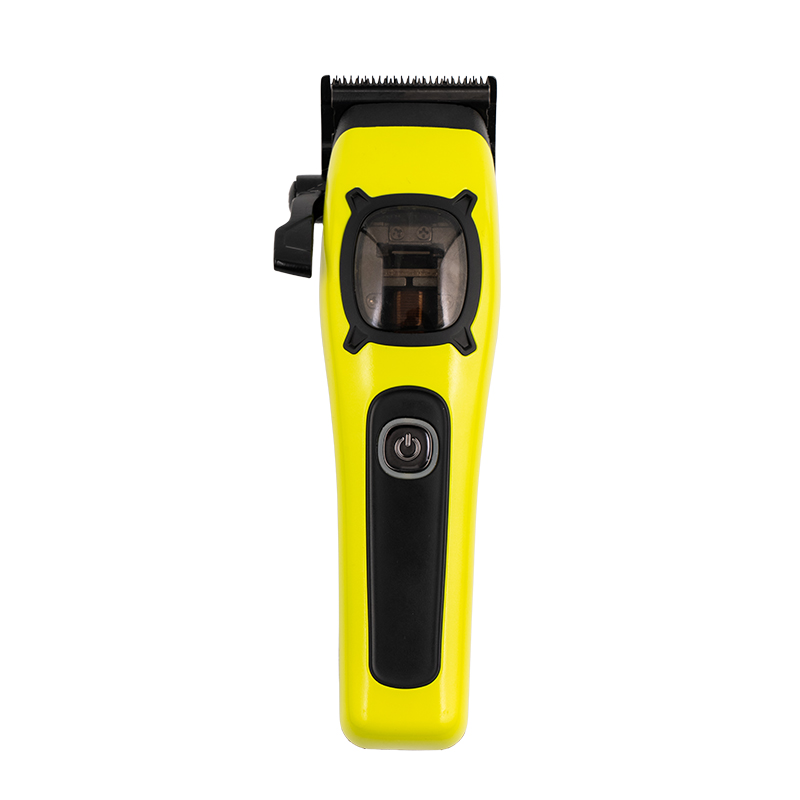
A typical home example is the LT761, a professional-style clipper built for family haircuts. It shows how the category works in practice: powerful enough for thick hair, wide enough for speed, and quiet enough for regular home use.
 LT-761 Professional Electric Hair Clippers for Home UseThis home-oriented clipper features a magnetic levitation motor and DLC-coated blades for steady, quiet cutting. Its wide blade suits family haircuts, making it a practical choice if you need speed and comfort without salon equipment.View Product →
What Is a Trimmer?
A trimmer inverts the clipper's priorities. The blade is narrower, generally 20 to 30 mm, with finer teeth that make more selective contact with the hairline. Many trimmers are adjusted to zero-gap, which means the two metal blades line up almost perfectly, allowing a shave-like result that a clipper cannot approach.
Trimmers exist for finishing work: the beard edge under the jaw, the cheek line, the top of a mustache, the hair in front of the ears, and the neckline at the back. A compact trimmer can also manage nose and ear hair, though purpose-built models with rounded heads are safer inside the nostrils.
What a trimmer loses is area coverage. On a full head of hair, a trimmer takes three or four times longer than a clipper, and the result looks uneven because the narrow blade catches hair inconsistently on a curved scalp. So the trimmer is not a replacement for a clipper; it is the second half of the job.
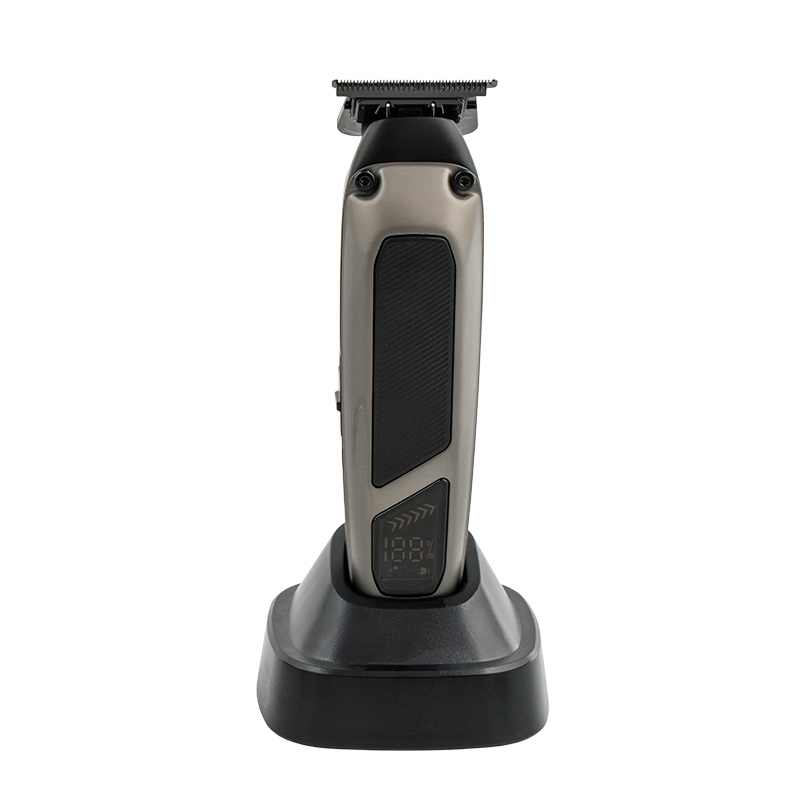
A versatile trimmer such as the LT616M shows where the category has moved: it combines a precision blade for beard and sideburn outlines with smaller attachments for nose and ear hair, so one charging base covers most daily grooming.
 LT-616M 4-in-1 Multifunctional Men's Grooming TrimmerA compact trimmer that combines shaving, nose trimming, sideburn trimming, and precision carving. Its floating foil and anti-scratch nose attachment handle multiple daily grooming tasks, making it ideal for travel and everyday use.View Product →
Trimmer vs Clipper: Key Differences at a Glance
The table below summarizes the differences that matter for everyday purchase decisions.
| Aspect | Clipper | Trimmer |
|---|---|---|
| Blade width | 40-50 mm | 20-30 mm |
| Blade teeth | Wide spacing, grabs thick hair | Fine spacing, detailed contact |
| Cutting height | 1.5 mm to 25 mm with combs | Often zero-gap, near skin level |
| Speed over large areas | High | Moderate |
| Primary jobs | Full haircuts, buzz cuts, fades | Beard lines, edges, neckline, nose and ear hair |
| Guard selection | Wide and numbered | Minimal or none |
| Best suited to | Removing volume | Adding definition |
The practical rule: remove with the clipper, define with the trimmer. If you keep that rule in mind, most of the confusion disappears.
Which One Do You Actually Need?
Your answer depends on which parts of your body you groom and how often.
- Standard haircuts and a short, even beard: a clipper with guide combs covers almost everything, including a low-guard beard trim.
- A shaped beard, goatee, or mustache: you need a trimmer, because sharp outlines demand blades that sit close to the skin.
- Fades, tapers, or blended cuts at home: you need both. A fade starts with a clipper to set the gradient and ends with a trimmer to define the edges.
- Nose and ear hair: buy a dedicated trimmer. A beard trimmer is still too wide for comfortable nasal use, and a clipper is out of the question.
If your list includes both haircuts and beard shaping, a coordinated kit can save money and storage space. Look for a hair and beard trimmer combo that combines a full clipper with precision trimmer heads, so the motor and charging system are matched rather than working at cross purposes.
A Quick Decision Rule
If you buy one tool only, make it a clipper, because a low-number guard can handle a short beard in a pinch. If you groom daily, buy both; the saved time and sharper lines justify the cost.
What to Check Before You Buy: A Manufacturer's View
Our factory builds clippers and trimmers for export brands across Europe, the Americas, and South America, so we have seen the same purchasing mistakes on both retail and wholesale sides. The differences that matter are inside the housing:
- Blade material and heat treatment. Hardened stainless steel keeps its cutting gap longer and resists rust from daily contact with wet skin. Cheaper blades overheat after a few minutes and begin to pull hair instead of slicing it cleanly.
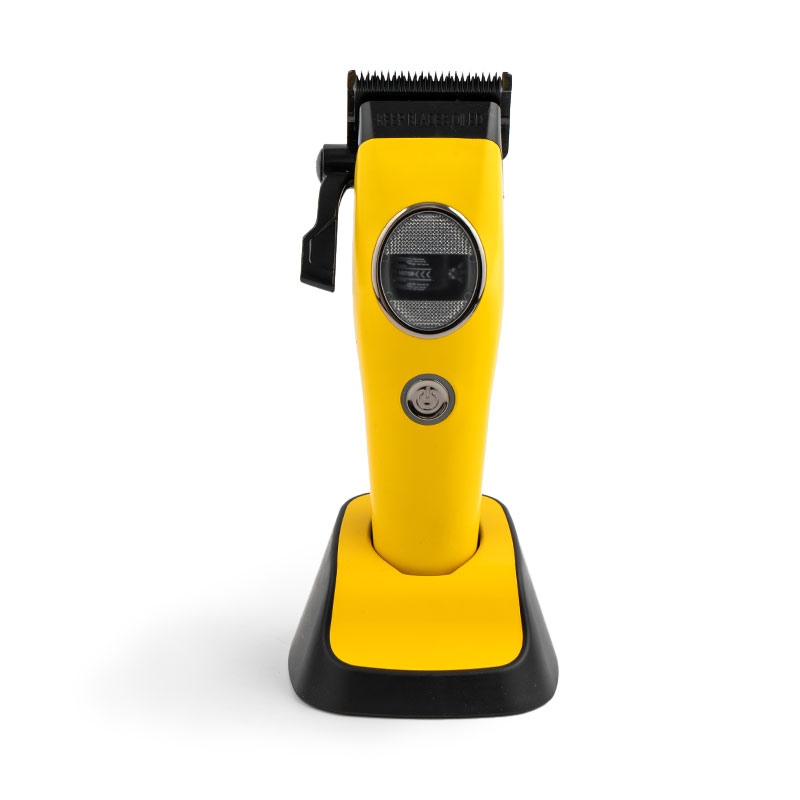
- Motor architecture. A strong outer-rotor motor maintains its blade speed when you push through dense, damp, or coarse hair. A weak motor slows mid-cut, causing snagging and uneven results. We added the LT714A to our clipper range because thick-hair users kept asking for more torque at a quiet volume.
- Alignment tolerance. The two blades in any clipper or trimmer must hold a precise, consistent gap. If assembly is sloppy, no amount of hand technique will produce smooth lines. Factories that test alignment with gauge tools and torque meters in production deliver far fewer returns.
- Battery chemistry. Modern grooming tools use lithium cells that keep voltage steady until the last minute. Old-style nickel packs fade gradually, so the tool slows down noticeably mid-cut before the indicator light even appears.
Why This Matters for Volume Buyers
For importers and private-label brands, these internal differences translate directly into warranty rates and customer returns. A poorly aligned blade set or a weak motor is the most common reason a unit comes back. Insisting on motor torque testing and blade gap inspection before production is the fastest way to keep defect rates low.
These details explain why two tools with identical looks can feel completely different in the hand. They also determine how many units you replace under warranty and how customers describe your brand.
 LT-714A Powerful Outer Rotor Motor Electric Hair ClippersDesigned with a high-torque outer rotor motor and DLC-coated blades, this clipper offers strong, stable cutting with low noise and vibration. It is suitable for both professional salons and home haircuts, delivering smooth results and lasting performance.View Product →
The Right Way to Use Them Together
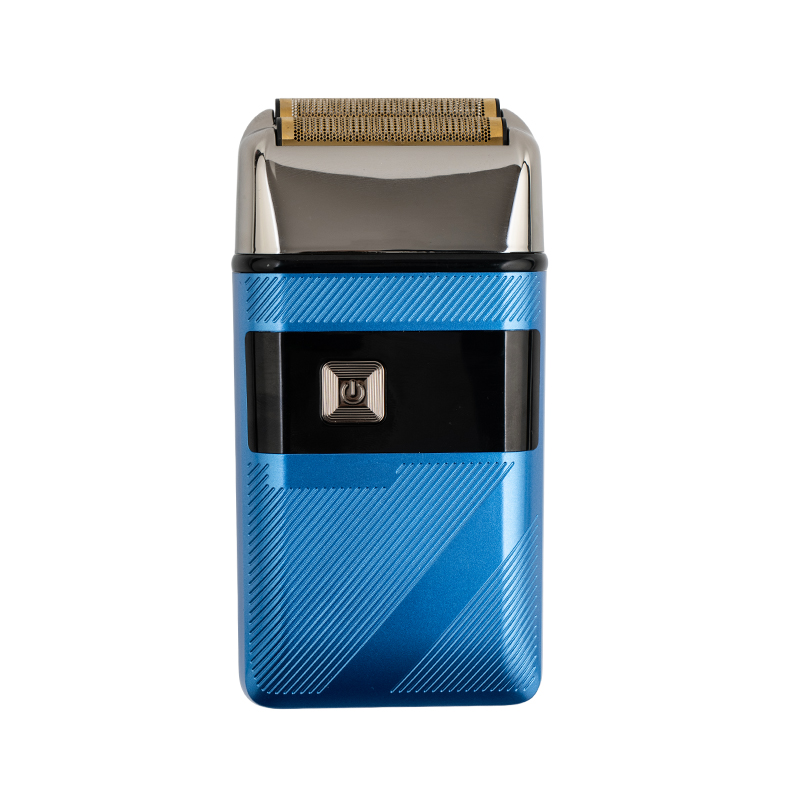
The professional sequence is simple: reduce length with a clipper and the appropriate guard; switch to a trimmer for the edges around the ears, sideburns, beard outline, and neckline; then finish with an electric shaver if you want bare skin. This order gives a barbershop result in about a third of the time spent forcing one tool to do everything.
Maintenance is the part most home users skip, and it affects the difference between tools more than most specifications. Clean the blade after every use, apply one or two drops of blade oil, and store the unit with a blade guard so a fall cannot bend the alignment. A trimmer that is dropped onto a bathroom tile often loses its zero-gap setting, and the first sign is a row of small nicks along your jawline.
If you are setting up a clipper and trimmer kit specifically for fade cuts, a fade haircut clippers kit is a useful reference for the guard range and blade coverage you need. The short conclusion from all of the above is simple: clippers remove hair, trimmers define hair, and most good grooming routines invest in one of each.
Whether you are buying your first grooming tool, or evaluating production partners for a private-label grooming line, start from the job rather than the logo. A clipper handles bulk; a trimmer handles precision. Once that distinction is clear, every other specification, such as motor type, blade width, battery life, and even price, becomes much easier to assess.
+86-574-62151741
+86-13655842900
laituo@google.com
No. 22 Liufang Road, Yuyao Industrial Park, Ningbo City, China
Copyright © Yuyao Laituo Electric Appliance Co., Ltd. All Rights Reserved
OEM/ODM Hair Removal Tool Epilator Manufacturers
