
 русский
 Français
 Español
 Deutsch
 عربى
عربى-
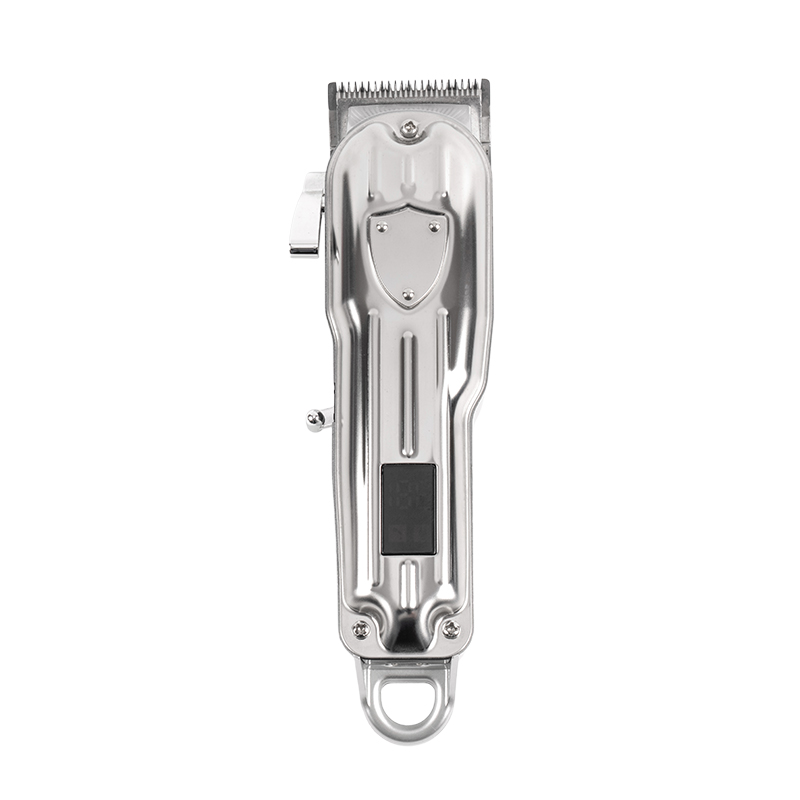 LT-1258 Precision Blade Hair Clipper
Electric Hair Clippers
-
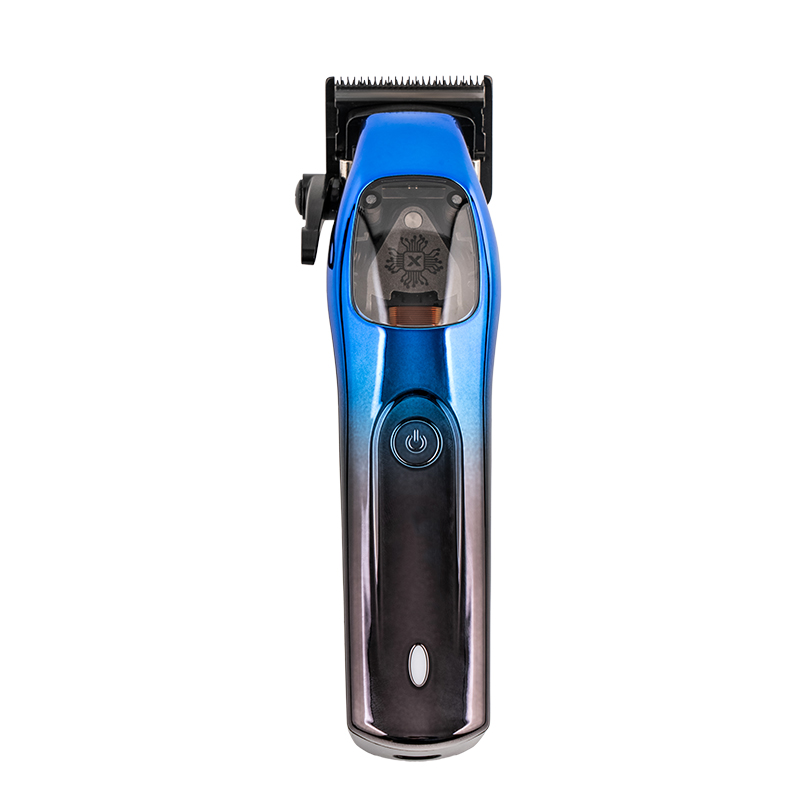 LT-757 Family Smart Hair Clipper
Electric Hair Clippers
-
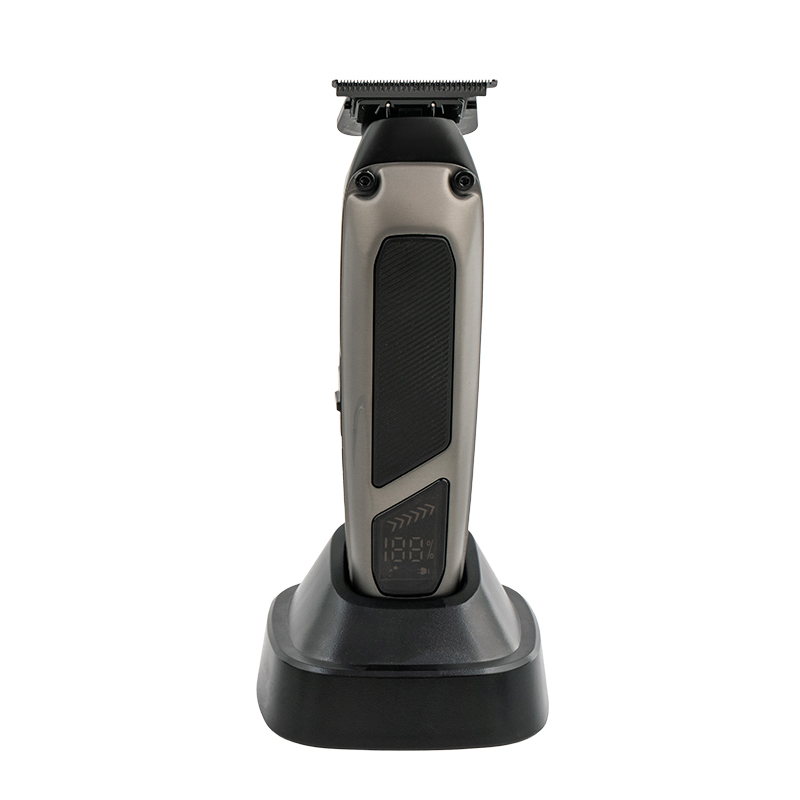 LT-1217 Efficient Quiet Cutting Electric hair clippers
Electric Hair Clippers
-
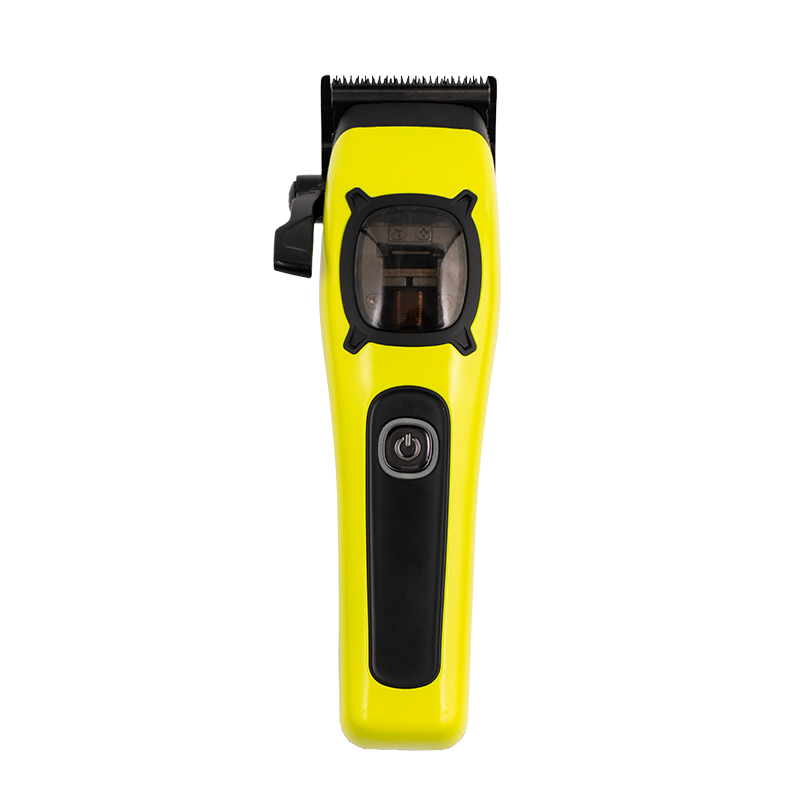 LT-761 Professional Electric hair clippers For Home
Electric Hair Clippers
-
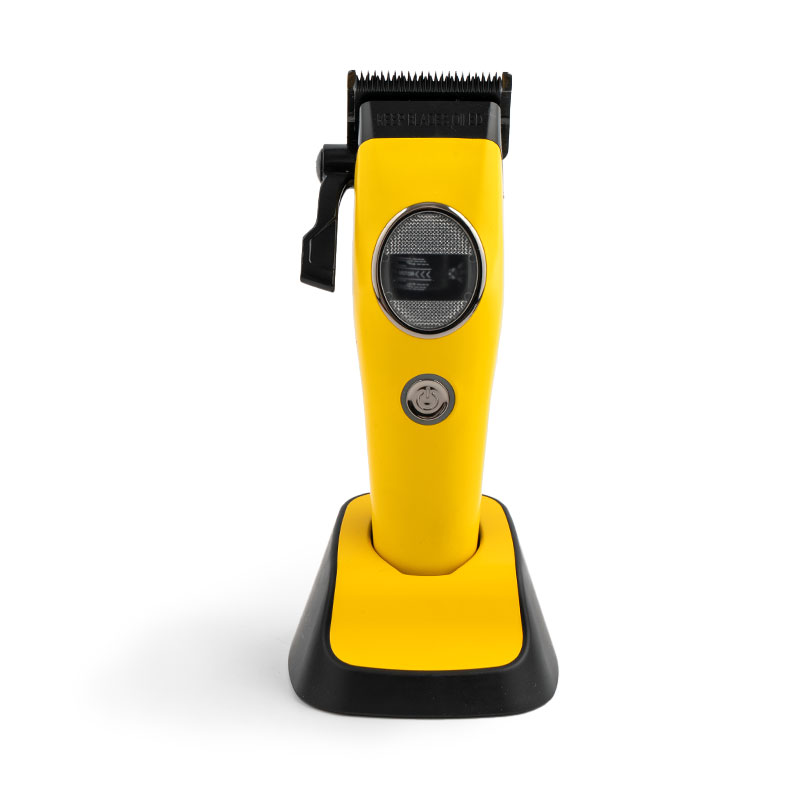 LT-714A Powerful Outer Rotor Motor Electric hair clippers
Electric Hair Clippers
Ceramic Blade Hair Clippers
-- Steady & Reliable Manufacturer --
Overview
Ceramic blade hair clippers use a ceramic cutting edge instead of standard stainless steel, offering a harder, more heat-resistant surface that stays sharper longer and runs cooler during extended cutting sessions. This page groups the clippers in this collection built with this blade material, for buyers who want reduced maintenance frequency and more consistent performance over the blade's working life.
Introduction
Blade material is one of the more overlooked specifications when comparing clippers, but it has a real impact on how the tool performs and how often it needs attention. Standard stainless steel blades are reliable and cost-effective, but they generate friction-related heat during extended use and gradually lose their edge sharpness over time with regular cutting. Ceramic blades address both of these points directly, since ceramic is a harder material that resists wear better than steel and conducts heat differently, staying notably cooler during longer cutting sessions.
The heat difference is particularly relevant for anyone cutting hair for multiple people in one sitting, or for barbers working through back-to-back clients, since a steel blade that heats up during extended use can become genuinely uncomfortable against the skin, particularly for close work near the neck and ears. A ceramic blade staying cooler throughout a longer session improves comfort for both the person cutting and the person being cut.
Sharpness retention is the other major advantage. Because ceramic is harder than steel, it resists the gradual dulling that comes from repeated contact with hair, meaning a ceramic blade tends to maintain a sharper, more effective cutting edge for a longer period between sharpenings or replacements compared to an equivalent steel blade under the same usage pattern. This translates into more consistent cutting performance over the blade's working life rather than a gradual decline that becomes noticeable well before a standard replacement interval.
The tradeoff worth understanding is that ceramic, while harder than steel, is also more brittle in certain respects, meaning it can be more prone to chipping from a hard impact, such as being dropped onto a tile floor, compared to a steel blade that might bend slightly but resist chipping. Careful handling matters a bit more with ceramic blades as a result, even though day-to-day cutting performance and durability against normal wear are both generally better than standard steel.
Weight is a minor practical difference worth noting as well. Ceramic is generally lighter than an equivalent volume of steel, which can contribute to a slightly lighter overall clipper head, a small but noticeable benefit during longer cutting sessions where hand fatigue can accumulate. This is a secondary benefit compared to the heat and sharpness advantages, but it is a genuine part of the overall case for ceramic in this category.
For anyone deciding whether the ceramic upgrade is worth the added cost, the honest answer depends largely on cutting frequency and session length. Someone cutting hair only occasionally, for a single person, in short sessions, may not notice a dramatic practical difference from standard steel. Someone cutting hair regularly for multiple people, or working through extended professional sessions, is more likely to notice and appreciate the reduced heat buildup and the longer stretches between needing to address blade sharpness.
If you are interested in this product, please complete the following information submitted to us, we will arrange experts to contact you as soon as possible!
Specification
| Parameter | Details |
|---|---|
| Blade Material | Ceramic Cutting Edge |
| Heat Resistance | Stays Cooler During Extended Use |
| Sharpness Retention | Longer-Lasting Edge Vs. Standard Steel |
| Battery Type | Lithium-Ion, USB Rechargeable |
| Run Time | 60-120 Minutes Per Charge |
| Included Guide Combs | Typically 6-8 Sizes |
Application
- Extended Cutting Sessions: Stays cooler than steel blades during longer, back-to-back use.
- Frequent Use Households: Longer sharpness retention suits regular, ongoing cutting needs.
- Professional Or Semi-Professional Use: Consistent performance across multiple clients or family members.
- Reduced Maintenance Preference: Fewer sharpenings needed compared to standard steel blades.
Advantages
- Runs cooler than steel blades during extended cutting sessions.
- Maintains a sharper edge for longer between sharpenings or replacements.
- More resistant to the gradual dulling standard steel blades experience.
- More comfortable for close work given reduced heat buildup.
How To Use
- Attach The Desired Guide Comb: Select the length before starting the cut.
- Cut As Normal: The ceramic blade functions the same way as a standard blade during use.
- Take Advantage Of Extended Sessions: The blade's heat resistance supports longer, uninterrupted cutting sessions.
- Clean After Use: Brush out trimmed hair from the blade edges.
- Handle With Care When Storing: Avoid dropping the clipper, given ceramic's slightly higher chip risk from hard impacts.
Maintenance & Care
Ceramic blades still need regular cleaning and lubrication, though sharpening or replacement is generally needed less often than with standard steel blades.
- After Each Use: Brush out loose hair from the blade edges.
- Weekly: Apply clipper oil to maintain smooth cutting performance.
- Handling: Avoid dropping the clipper on hard surfaces to reduce chip risk.
- Every 18-24 Months: Check blade sharpness, typically a longer interval than standard steel blades require.
About Laituo
Laituo Electrical Appliance
Read More
Yuyao Laituo Electrical Appliance Co., Ltd. is rooted in Yuyao, known as the Hometown of Moulds. Leveraging the complete local electronic manufacturing industrial chain, the company focuses on three core product categories: hair clippers, electric shavers and body trimmers. It is a modern personal care electrical enterprise integrating R&D, production and sales. As China Ceramic Blade Hair Clippers Manufacturers and Ceramic Blade Hair Clippers Factory
the company covers an area of 1,000 square meters, with nearly 100 employees, fully automated production lines and precision testing equipment. It boasts full-process production capabilities ranging from design and development to finished product assembly.
Adhering to the philosophy of Quality as the Foundation, Technology as the Empowerment, the company keeps advancing personal grooming technology. Its Ceramic Blade Hair Clippers adopt core configurations such as floating cutter heads and intelligent power regulation, balancing shaving efficiency and skin comfort. All products have passed CE and RoHS certifications, establishing a solid quality guarantee system.
With independent export rights, its products are sold to more than 30 countries and regions across Europe, America, South America and beyond, winning wide recognition from global customers.
In the future, Laituo Electrical will continue to focus on demands of personal grooming scenarios. Through strict quality control and innovative R&D, it will build a more competitive product portfolio, striving to become a preferred partner in the global personal care electrical appliance industry.
CHOOSE US
Why Laituo
-
 Mature Product Platform
Based on a mature architecture, development risks are reduced.
-
 Stable Production Capacity
Standardized assembly processes ensure batch consistency.
-
 Flexible customization support
Supports customization of logo, appearance, and configuration.
-
 Workflow
From sample to mass production, each step is clearly defined and controllable.