
 русский
 Français
 Español
 Deutsch
 عربى
عربى-
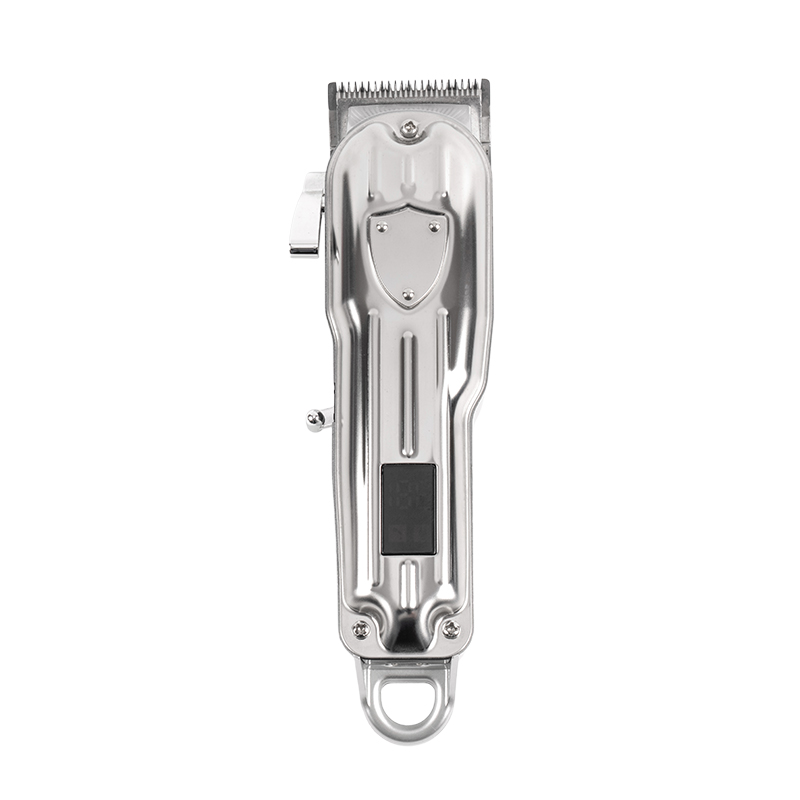 LT-1258 Precision Blade Hair Clipper
Electric Hair Clippers
-
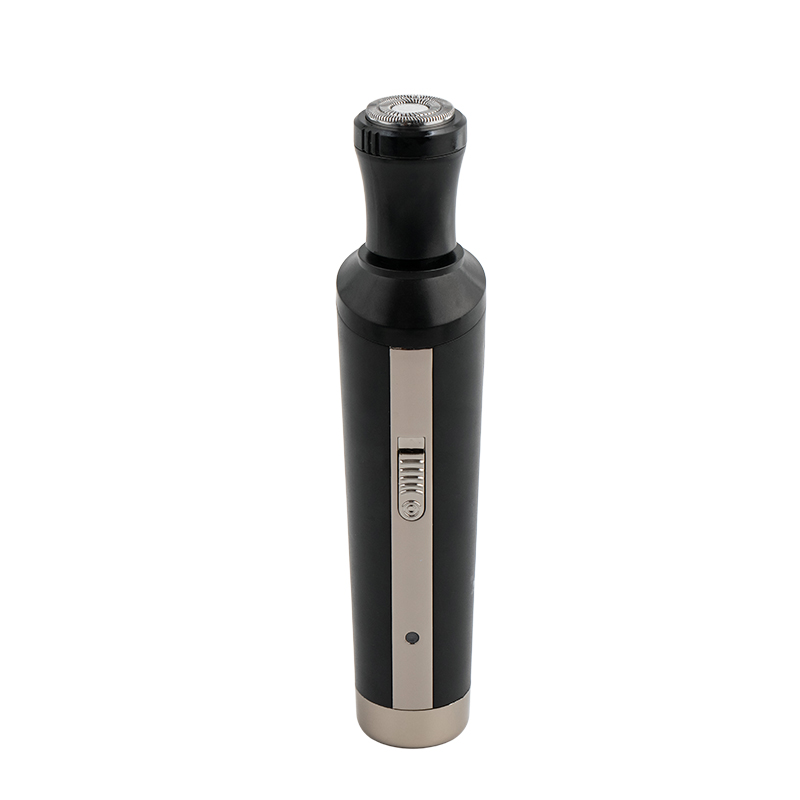 LT-616M Multifunctional Men's Grooming Trimmer
Nose Hair Trimmer
Nose Trimmer Dual Edge Blade
-- Steady & Reliable Manufacturer --
Overview
A nose trimmer with a dual edge blade uses two cutting edges working together within the rotating head, rather than a single cutting edge, to catch and cut hair more efficiently in each rotation. This page groups the models in this collection built around this dual-edge design, for buyers who want a faster, more thorough trim without needing to move the trimmer around as much within the nostril.
Introduction
Most nose trimmer blade designs use a single cutting edge within the rotating inner mechanism, which works effectively but means hair only gets cut when it happens to align with that single edge during rotation. A dual edge design adds a second cutting edge, positioned opposite the first within the same rotating assembly, effectively doubling the number of cutting opportunities per full rotation of the blade.
The practical effect of this design is a generally faster, more efficient trim, since hair is more likely to encounter a cutting edge sooner during the trimmer's operation compared to a single-edge design where a hair might need to wait for the blade to complete more of a rotation before being cut. This can mean less time needed per trimming session and less need to hold the trimmer in one spot for an extended period waiting for stray hairs to be caught.
Thoroughness also benefits from this design, since two cutting edges working through the same rotation reduce the chance of any given hair being missed entirely during a single pass. This complements the precision blade technology discussed elsewhere in this collection, since a dual-edge design paired with tight manufacturing tolerances offers both more cutting opportunities and a more precisely aligned cutting mechanism, compounding the thoroughness benefit from both design elements together.
The engineering considerations for a reliable dual edge design are worth understanding briefly. Both cutting edges need to be manufactured and aligned with comparable precision, since a mismatch between the two edges, one sharper or better aligned than the other, could result in inconsistent cutting performance depending on which edge happens to encounter a given hair. This is part of why dual edge blades, done well, tend to reflect a slightly higher level of manufacturing sophistication than a comparable single-edge design.
Motor demand is worth a brief mention as well, since two cutting edges engaging with hair during rotation create somewhat more resistance for the motor to work against compared to a single edge. Well-designed dual edge trimmers account for this with a motor calibrated to handle the added load without a noticeable drop in rotation speed, maintaining the same consistent performance that both cutting comfort and thoroughness depend on.
For anyone who has found single-edge trimmers to feel slow or require holding the trimmer in place longer than expected to fully clear an area, a dual edge design directly addresses that specific frustration. This page brings together the trimmers built specifically around this dual-edge blade design, distinct from standard single-edge models found elsewhere in the collection, for buyers whose priority is a faster, more efficient trimming session.
If you are interested in this product, please complete the following information submitted to us, we will arrange experts to contact you as soon as possible!
Specification
| Parameter | Details |
|---|---|
| Blade Design | Dual Cutting Edges Within Rotating Head |
| Blade Material | Stainless Steel |
| Cutting Efficiency | More Cutting Opportunities Per Rotation |
| Motor Speed | Consistent High-Speed Rotation |
| Power Source | Battery Or USB Rechargeable |
| Net Weight | Approx. 50-80g |
Application
- Faster Trimming Sessions: More cutting opportunities per rotation reduce time spent per session.
- Thorough, Complete Trims: Two cutting edges reduce the chance of missed hair.
- Denser Nose Hair Growth: More efficient cutting suits a higher volume of hair to trim.
- Buyers Wanting Reduced Session Time: Efficient design suits quick daily maintenance.
Advantages
- More cutting opportunities per rotation than a single-edge blade.
- Generally faster, more efficient trimming sessions.
- Reduces the chance of missed hair during a single pass.
- Reflects a higher level of manufacturing sophistication when done well.
How To Use
- Power On Before Inserting: Turn the trimmer on before bringing it near the nostril.
- Move In Small Circular Motions: Let both cutting edges work through hair efficiently.
- Complete The Trim More Quickly: Take advantage of the faster cutting efficiency this design offers.
- Check Results In A Mirror: Confirm a thorough, even trim before finishing.
- Clean After Use: Tap out or rinse loose hair depending on the model's rating.
Maintenance & Care
Keeping both cutting edges clean helps maintain the efficient, thorough cutting performance this design is built around.
- After Each Use: Tap out or rinse loose hair depending on the model's washable rating.
- Weekly: Brush out any remaining trapped hair from both cutting edges.
- Every 12-18 Months: Replace the blade head once cutting performance or efficiency declines.
- Storage: Keep it in a dry spot, ideally with the protective cap on if included.
About Laituo
Laituo Electrical Appliance
Read More
Yuyao Laituo Electrical Appliance Co., Ltd. is rooted in Yuyao, known as the Hometown of Moulds. Leveraging the complete local electronic manufacturing industrial chain, the company focuses on three core product categories: hair clippers, electric shavers and body trimmers. It is a modern personal care electrical enterprise integrating R&D, production and sales. As China Nose Trimmer Dual Edge Blade Manufacturers and Nose Trimmer Dual Edge Blade Factory
the company covers an area of 1,000 square meters, with nearly 100 employees, fully automated production lines and precision testing equipment. It boasts full-process production capabilities ranging from design and development to finished product assembly.
Adhering to the philosophy of Quality as the Foundation, Technology as the Empowerment, the company keeps advancing personal grooming technology. Its Nose Trimmer Dual Edge Blade adopt core configurations such as floating cutter heads and intelligent power regulation, balancing shaving efficiency and skin comfort. All products have passed CE and RoHS certifications, establishing a solid quality guarantee system.
With independent export rights, its products are sold to more than 30 countries and regions across Europe, America, South America and beyond, winning wide recognition from global customers.
In the future, Laituo Electrical will continue to focus on demands of personal grooming scenarios. Through strict quality control and innovative R&D, it will build a more competitive product portfolio, striving to become a preferred partner in the global personal care electrical appliance industry.
CHOOSE US
Why Laituo
-
 Mature Product Platform
Based on a mature architecture, development risks are reduced.
-
 Stable Production Capacity
Standardized assembly processes ensure batch consistency.
-
 Flexible customization support
Supports customization of logo, appearance, and configuration.
-
 Workflow
From sample to mass production, each step is clearly defined and controllable.