
 русский
 Français
 Español
 Deutsch
 عربى
عربى-
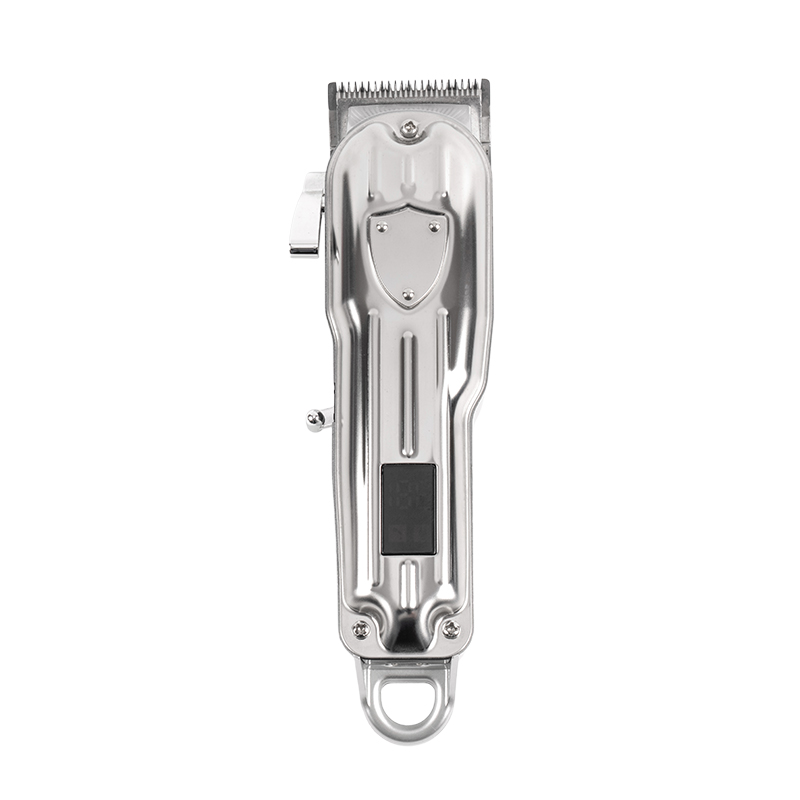 LT-1258 Precision Blade Hair Clipper
Electric Hair Clippers
-
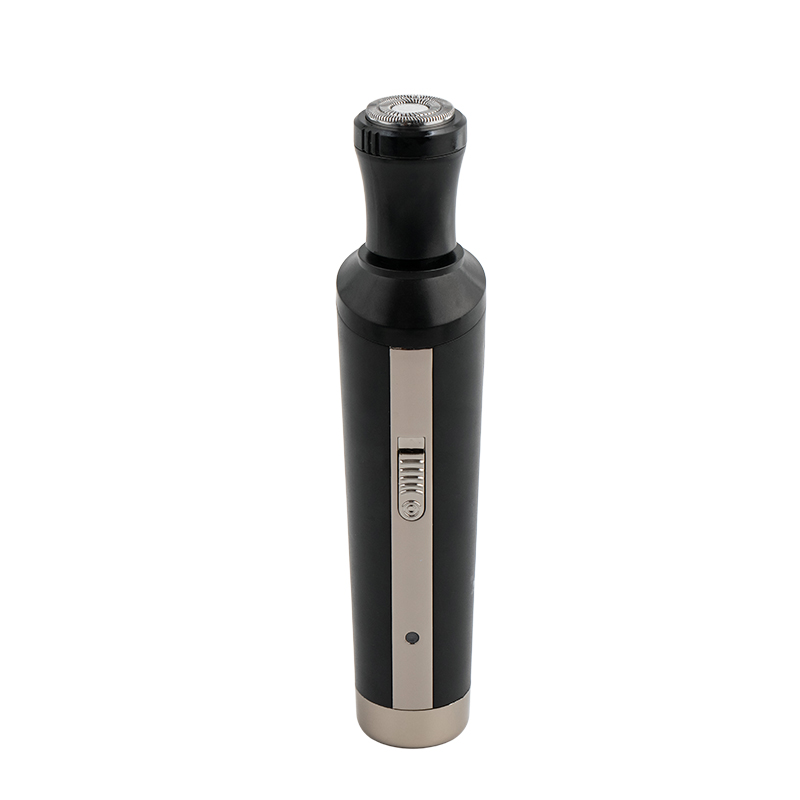 LT-616M Multifunctional Men's Grooming Trimmer
Nose Hair Trimmer
Nose Trimmer Stainless Blade
-- Steady & Reliable Manufacturer --
Overview
A nose trimmer with a stainless steel blade uses a corrosion-resistant cutting edge built to withstand the repeated moisture exposure inherent to nose hair trimming, without the rust or dulling that lower-grade metals can develop over time in this specific use case. This page groups the models in this collection built around this blade material, for buyers who want a trimmer that holds up reliably to the naturally damp conditions it's regularly exposed to.
Introduction
Blade material matters more for nose trimmers than for many other grooming tools, given how directly and repeatedly the blade is exposed to moisture from inside the nostril during every single use. A blade made from a lower-quality or improperly treated metal is genuinely at risk of developing rust or corrosion over months of regular use, which not only looks unpleasant but can also affect cutting performance and, in more serious cases, raise hygiene concerns from a degrading blade surface.
Stainless steel addresses this directly through its inherent chromium content, which forms a thin, self-repairing oxide layer on the metal's surface that resists the kind of oxidation that causes standard steel to rust. This makes it a natural fit for a tool that faces this level of consistent moisture exposure, and it's part of why stainless steel has become something close to a standard expectation for quality nose trimmer blades, even though cheaper models sometimes cut costs by using lower-grade alternatives.
Not all stainless steel is equivalent, and this is worth understanding when comparing models. Different stainless steel grades offer varying levels of corrosion resistance and edge retention, with higher-grade surgical or medical-grade stainless steel generally offering better performance in both respects compared to more basic stainless steel formulations sometimes used in lower-cost trimmers. This grade difference isn't always clearly stated in product listings, but it's part of why price differences between seemingly similar stainless steel trimmers can reflect a genuine underlying material quality gap.
Edge retention, the blade's ability to maintain a sharp cutting edge over repeated use, is closely tied to blade material quality and directly affects the painless cutting action buyers generally want from this category. A blade that dulls quickly, whether from lower material quality or from corrosion beginning to affect the cutting surface, is more likely to catch and pull hair rather than cut it cleanly, which is one of the more common complaints about lower-quality trimmers over time.
Proper care still matters even with a genuinely high-quality stainless steel blade, since while stainless steel resists corrosion far better than standard steel, it isn't entirely immune to degradation under prolonged, consistently poor care. Drying the blade after use, rather than leaving it consistently wet in a closed case, and avoiding harsh abrasive cleaning that could scratch through the protective oxide layer both help preserve the blade's corrosion resistance over its full working life.
Comparing stainless steel to the alternatives sometimes found in lower-cost trimmers helps clarify why this specification is worth checking rather than assuming. Some budget models use plated or coated standard steel rather than genuine stainless steel throughout, which can look similar initially but is considerably more prone to corrosion once the thin plating wears through with repeated use and cleaning. This is part of why a trimmer explicitly specifying stainless steel construction, rather than simply showing a shiny metallic finish in product photos, offers more confidence in genuine long-term durability.
This page brings together the trimmers built specifically around genuine stainless steel blade construction, distinct from models using lower-grade or coated metal alternatives elsewhere in the market, for buyers whose priority is long-term blade reliability given the consistently damp conditions this category is used in.
If you are interested in this product, please complete the following information submitted to us, we will arrange experts to contact you as soon as possible!
Specification
| Parameter | Details |
|---|---|
| Blade Material | Stainless Steel, Corrosion-Resistant |
| Blade Design | Rounded, Enclosed Rotating Blade |
| Edge Retention | Maintains Sharpness Through Repeated Use |
| Waterproof Rating | Washable Head |
| Power Source | Battery Or USB Rechargeable |
| Net Weight | Approx. 50-80g |
Application
- Regular, Repeated Use: Corrosion resistance holds up well to consistent moisture exposure over time.
- Long-Term Blade Reliability: Resists the rust or degradation lower-grade metals can develop.
- Consistent Cutting Performance: Better edge retention supports cleaner, more comfortable cutting over time.
- Hygiene-Conscious Buyers: Avoids the hygiene concerns of a corroding blade surface.
Advantages
- Resists rust and corrosion from repeated moisture exposure during use.
- Maintains a sharper cutting edge over time compared to lower-grade metals.
- Supports consistent, comfortable cutting performance across the blade's working life.
- Higher material quality generally correlates with better long-term reliability.
How To Use
- Power On Before Inserting: Turn the trimmer on before bringing it near the nostril.
- Trim Gently With Small Motions: Guide the rounded head through hair without forcing it.
- Rinse The Head After Use: Clear trapped hair and moisture from the blade.
- Dry Thoroughly Before Storing: Avoid closing it into a case while still damp.
- Store In A Dry Spot: Keep it away from consistently humid environments between uses.
Maintenance & Care
Proper drying and gentle cleaning help preserve the stainless steel blade's corrosion resistance and sharpness over its working life.
- After Each Use: Rinse or tap out trapped hair depending on the model's washable rating.
- Drying: Let the blade air dry fully before storing to preserve its protective surface.
- Avoid Abrasive Cleaning: Gentle rinsing and brushing is preferable to harsh scrubbing.
- Every 12-18 Months: Replace the blade head once cutting performance or sharpness declines.
About Laituo
Laituo Electrical Appliance
Read More
Yuyao Laituo Electrical Appliance Co., Ltd. is rooted in Yuyao, known as the Hometown of Moulds. Leveraging the complete local electronic manufacturing industrial chain, the company focuses on three core product categories: hair clippers, electric shavers and body trimmers. It is a modern personal care electrical enterprise integrating R&D, production and sales. As China Nose Trimmer Stainless Blade Manufacturers and Nose Trimmer Stainless Blade Factory
the company covers an area of 1,000 square meters, with nearly 100 employees, fully automated production lines and precision testing equipment. It boasts full-process production capabilities ranging from design and development to finished product assembly.
Adhering to the philosophy of Quality as the Foundation, Technology as the Empowerment, the company keeps advancing personal grooming technology. Its Nose Trimmer Stainless Blade adopt core configurations such as floating cutter heads and intelligent power regulation, balancing shaving efficiency and skin comfort. All products have passed CE and RoHS certifications, establishing a solid quality guarantee system.
With independent export rights, its products are sold to more than 30 countries and regions across Europe, America, South America and beyond, winning wide recognition from global customers.
In the future, Laituo Electrical will continue to focus on demands of personal grooming scenarios. Through strict quality control and innovative R&D, it will build a more competitive product portfolio, striving to become a preferred partner in the global personal care electrical appliance industry.
CHOOSE US
Why Laituo
-
 Mature Product Platform
Based on a mature architecture, development risks are reduced.
-
 Stable Production Capacity
Standardized assembly processes ensure batch consistency.
-
 Flexible customization support
Supports customization of logo, appearance, and configuration.
-
 Workflow
From sample to mass production, each step is clearly defined and controllable.