
 русский
 Français
 Español
 Deutsch
 عربى
عربى-
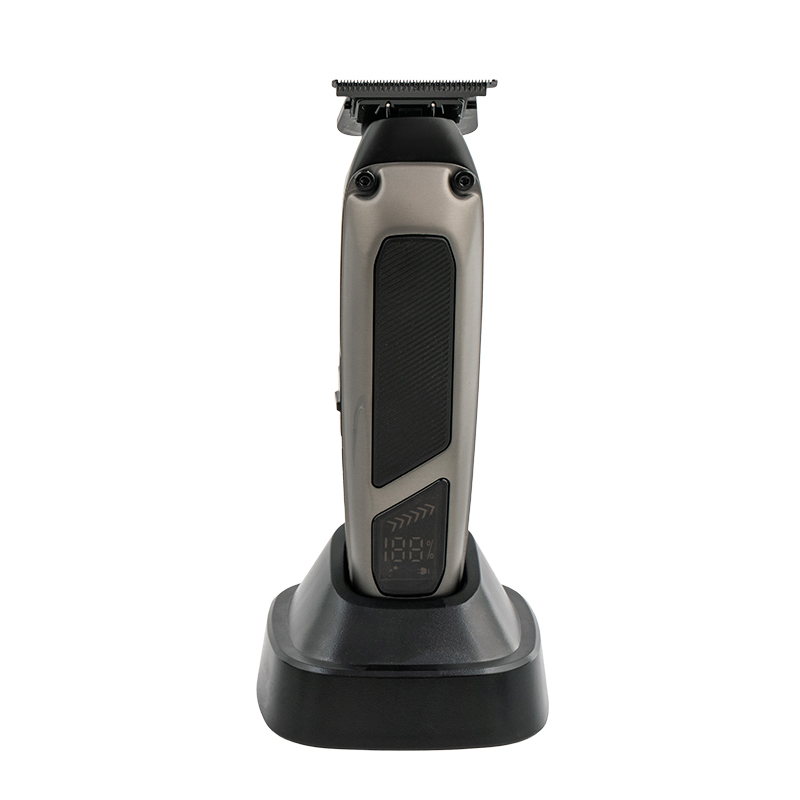 LT-1217 Efficient Quiet Cutting Electric hair clippers
Electric Hair Clippers
-
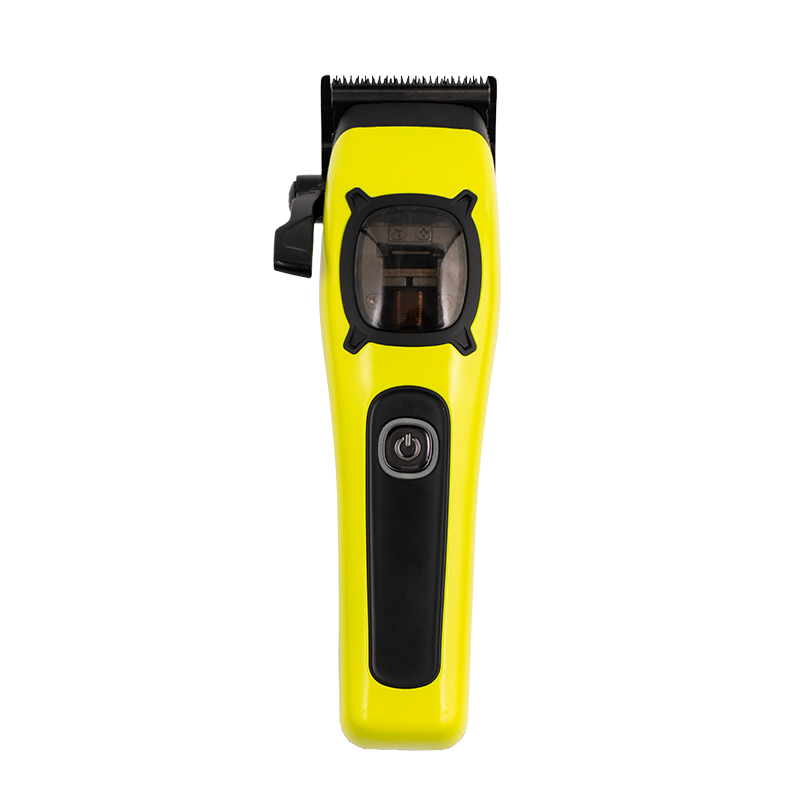 LT-761 Professional Electric hair clippers For Home
Electric Hair Clippers
-
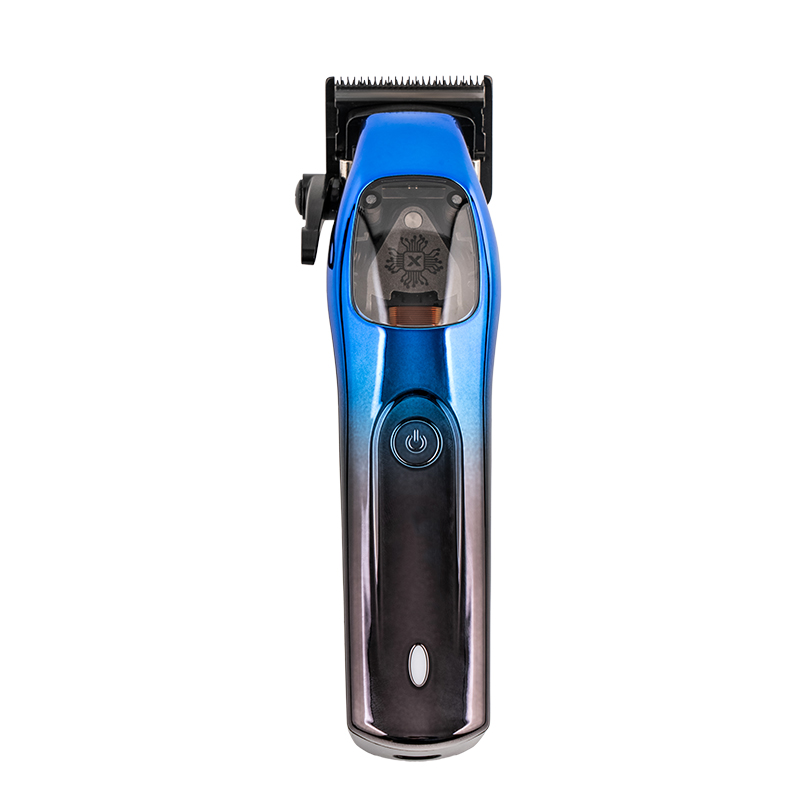 LT-757 Family Smart Hair Clipper
Electric Hair Clippers
-
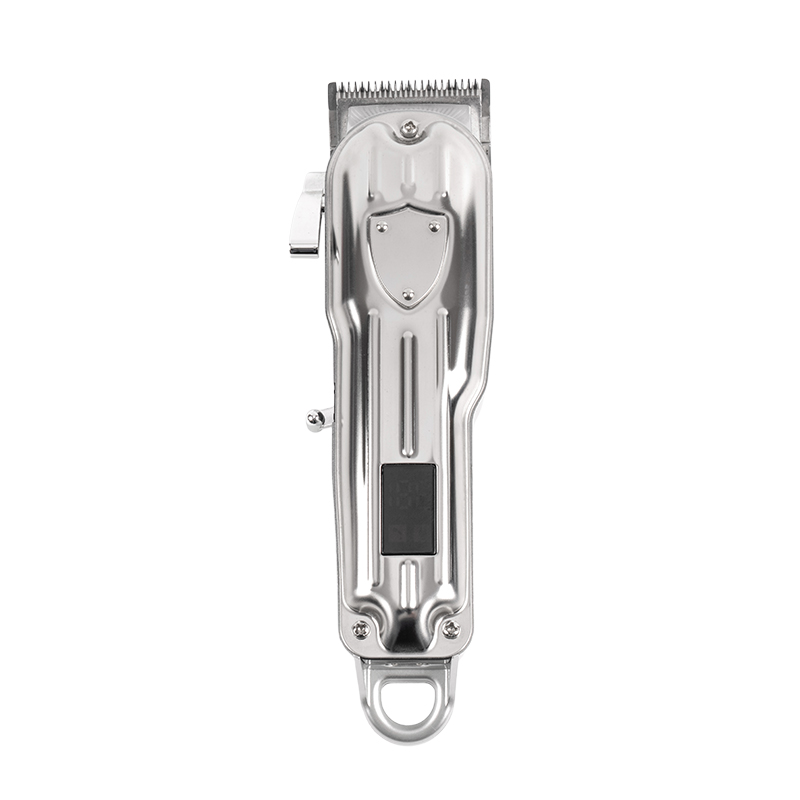 LT-1258 Precision Blade Hair Clipper
Electric Hair Clippers
-
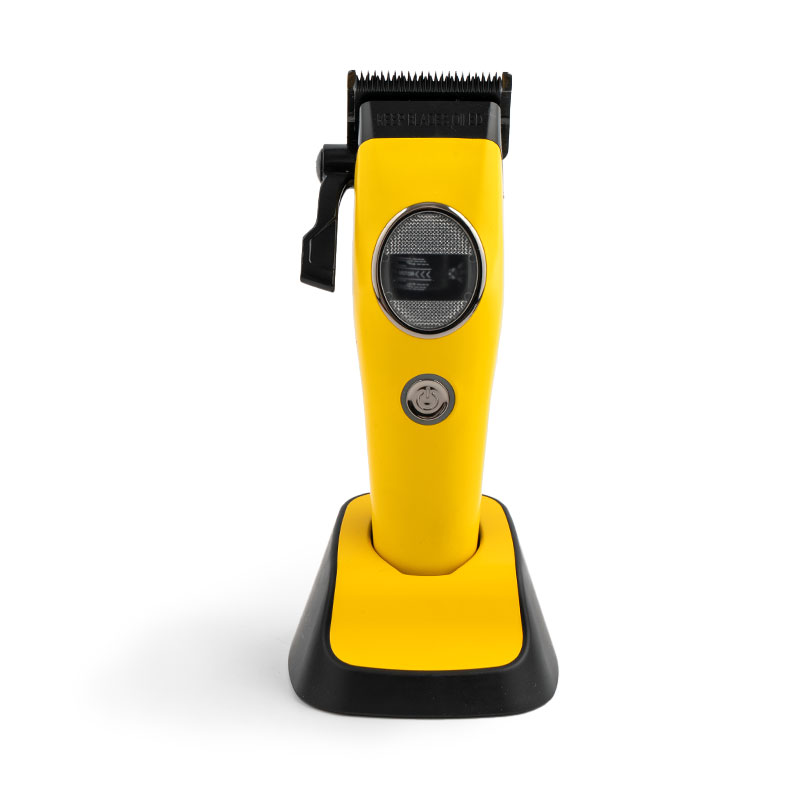 LT-714A Powerful Outer Rotor Motor Electric hair clippers
Electric Hair Clippers
Quiet Hair Clippers Home Use
-- Steady & Reliable Manufacturer --
Overview
Quiet hair clippers for home use are built around a lower-noise motor and dampened housing, aimed at buyers who want to cut hair at home without the loud buzzing typical of standard clippers disturbing others nearby. This page groups the models in this collection built specifically around this reduced-noise operation, for households where a quieter clipper genuinely improves the at-home haircutting experience.
Introduction
Standard hair clippers, particularly higher-powered models, can be genuinely loud, both from the motor itself and from the vibration transmitted through the clipper body during use. For home use, this loudness can matter more than it might in a professional barbershop, where background noise from other clippers, conversation, and music is already part of the environment. At home, a loud clipper can wake a sleeping family member, startle a young child getting a first haircut, or simply feel more jarring than necessary for a routine task.
The engineering approach to noise reduction in this category mirrors what is used in quiet electric shavers: a motor designed for lower baseline noise, internal dampening materials between the motor and the outer housing to reduce vibration transmission, and sometimes a refined blade design to reduce the mechanical noise generated during actual cutting. None of these changes are meant to eliminate noise entirely, since a clipper motor at the speed needed to cut hair effectively will always produce some audible sound, but they meaningfully reduce the volume and harshness compared to a standard clipper.
A common concern with quieter clippers is whether the noise reduction comes at the cost of cutting power, and this is worth addressing directly. In well-engineered models, noise reduction is achieved primarily through motor design and dampening materials rather than by simply running the motor at a lower, weaker speed, so cutting performance on most hair types remains comparable to standard clippers of similar price and build quality. Extremely thick or coarse hair may still benefit from a higher-torque professional-grade clipper regardless of noise level, but for typical home haircutting needs, the tradeoff between noise and performance is generally minimal.
Households with young children getting their first haircuts are a particularly common audience for this category, since the noise of a standard clipper is frequently cited as a source of first-haircut anxiety. A quieter clipper, even if not marketed specifically as a children's model, can help ease this transition, and some buyers specifically choose a quiet home-use clipper for this reason even before their child's very first cut, anticipating the need in advance.
Beyond the specific noise-avoidance use cases, some buyers simply prefer a calmer overall haircutting experience, finding that a quieter tool makes the whole process feel less like operating a piece of loud machinery and more like a routine, low-key part of at-home grooming. This softer, more general preference is a genuine reason some buyers choose this category even without a specific sleeping household member or noise-sensitive child to consider.
It's also worth understanding how these noise ratings are typically measured, since testing conditions can affect the numbers reported. Most decibel figures are measured at a fixed distance from the clipper, often running against open air rather than while actively cutting hair, since real cutting noise varies too much by hair density and thickness to serve as a consistent benchmark across different models. Actual noise during a real haircut will typically run a bit higher than the listed figure, though the relative difference between a quiet model and a standard one should hold up consistently regardless of testing conditions.
This page brings together the clippers built specifically around this reduced-noise operation, distinct from the standard clippers found elsewhere in the collection that do not prioritize noise reduction as a core design goal, for households where a quieter at-home haircutting experience is a genuinely practical consideration.
If you are interested in this product, please complete the following information submitted to us, we will arrange experts to contact you as soon as possible!
Specification
| Parameter | Details |
|---|---|
| Noise Level | Under 55-58dB (Vs. 62-70dB Standard) |
| Motor Design | Low-Noise Motor With Dampening Mounts |
| Included Guide Combs | Typically 4-8 Sizes |
| Battery Type | Lithium-Ion, USB Rechargeable |
| Run Time | 60-100 Minutes Per Charge |
| Net Weight | Approx. 170-220g |
Application
- Households With Sleeping Family Members: Reduces disruption during early morning or late evening haircuts.
- First Haircuts For Children: Lower noise helps ease first-time haircut anxiety.
- Noise-Sensitive Individuals: A more comfortable option for anyone sensitive to loud motor noise.
- Apartment Or Shared Housing: Reduces noise carrying to neighboring rooms or units.
Advantages
- Noticeably quieter operation compared to standard home clippers.
- Dampened housing reduces vibration alongside motor noise.
- Cutting performance remains comparable to standard clippers for typical home use.
- Better suited to early morning, late night, or child-focused haircutting sessions.
How To Use
- Choose A Lower Or Medium Speed If Available: This can further reduce noise for a very quiet session.
- Attach The Appropriate Guide Comb: Select the size based on the intended cut length.
- Work In Smooth, Steady Passes: Avoid excessive repeated strokes, which add unnecessary time and noise.
- Keep The Blade Clean During Use: A clogged blade can run louder than a clear one.
- Clean And Oil After Each Use: This helps maintain both cutting performance and quiet operation over time.
Maintenance & Care
Keeping the blade clean and well lubricated matters for maintaining quiet operation, since a dirty or dry blade can noticeably increase noise beyond the clipper's designed baseline.
- After Each Use: Brush out loose hair from the blade and guide comb.
- Weekly: Apply clipper oil to maintain smooth, quiet cutting performance.
- Monthly: Check for any buildup around the motor housing that could affect dampening.
- Every 12-18 Months: Replace the blade set once cutting noise or performance noticeably changes.
About Laituo
Laituo Electrical Appliance
Read More
Yuyao Laituo Electrical Appliance Co., Ltd. is rooted in Yuyao, known as the Hometown of Moulds. Leveraging the complete local electronic manufacturing industrial chain, the company focuses on three core product categories: hair clippers, electric shavers and body trimmers. It is a modern personal care electrical enterprise integrating R&D, production and sales. As China Quiet Hair Clippers Home Use Manufacturers and Quiet Hair Clippers Home Use Factory
the company covers an area of 1,000 square meters, with nearly 100 employees, fully automated production lines and precision testing equipment. It boasts full-process production capabilities ranging from design and development to finished product assembly.
Adhering to the philosophy of Quality as the Foundation, Technology as the Empowerment, the company keeps advancing personal grooming technology. Its Quiet Hair Clippers Home Use adopt core configurations such as floating cutter heads and intelligent power regulation, balancing shaving efficiency and skin comfort. All products have passed CE and RoHS certifications, establishing a solid quality guarantee system.
With independent export rights, its products are sold to more than 30 countries and regions across Europe, America, South America and beyond, winning wide recognition from global customers.
In the future, Laituo Electrical will continue to focus on demands of personal grooming scenarios. Through strict quality control and innovative R&D, it will build a more competitive product portfolio, striving to become a preferred partner in the global personal care electrical appliance industry.
CHOOSE US
Why Laituo
-
 Mature Product Platform
Based on a mature architecture, development risks are reduced.
-
 Stable Production Capacity
Standardized assembly processes ensure batch consistency.
-
 Flexible customization support
Supports customization of logo, appearance, and configuration.
-
 Workflow
From sample to mass production, each step is clearly defined and controllable.