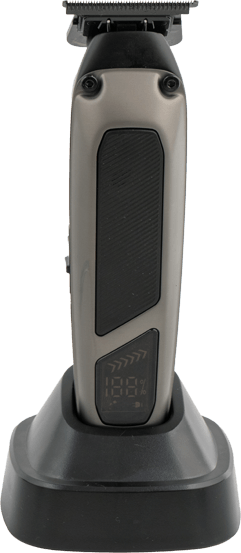

 русский
 Français
 Español
 Deutsch
 عربى
عربى-
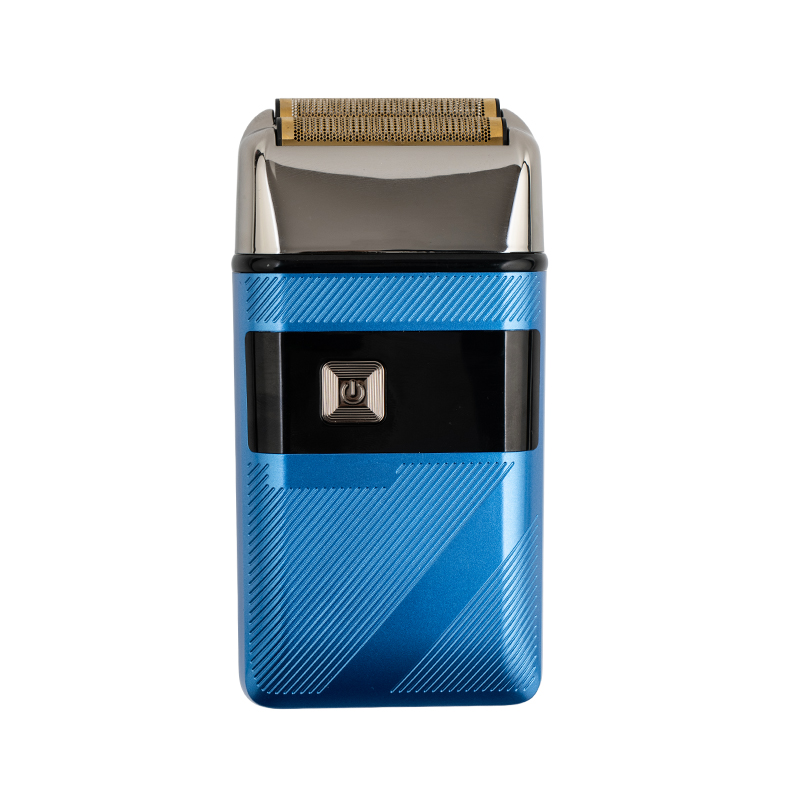 LT-858 Silent Low-Noise Reciprocating Shaver for Men
Electric Shavers
-
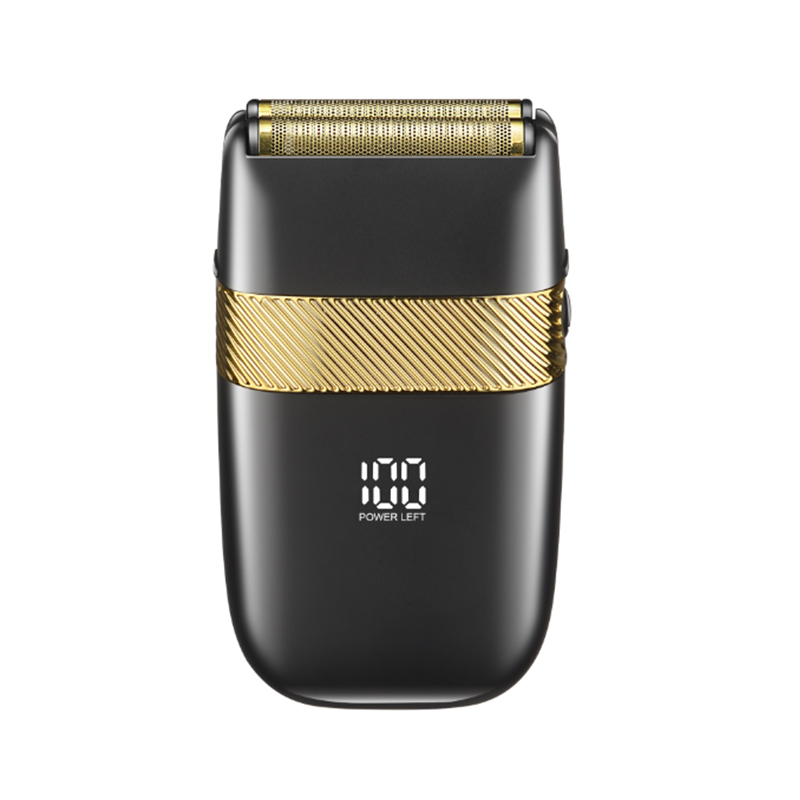 LT-865 Premium Gentleman Reciprocating Quick Charge Shaver
Electric Shavers
-
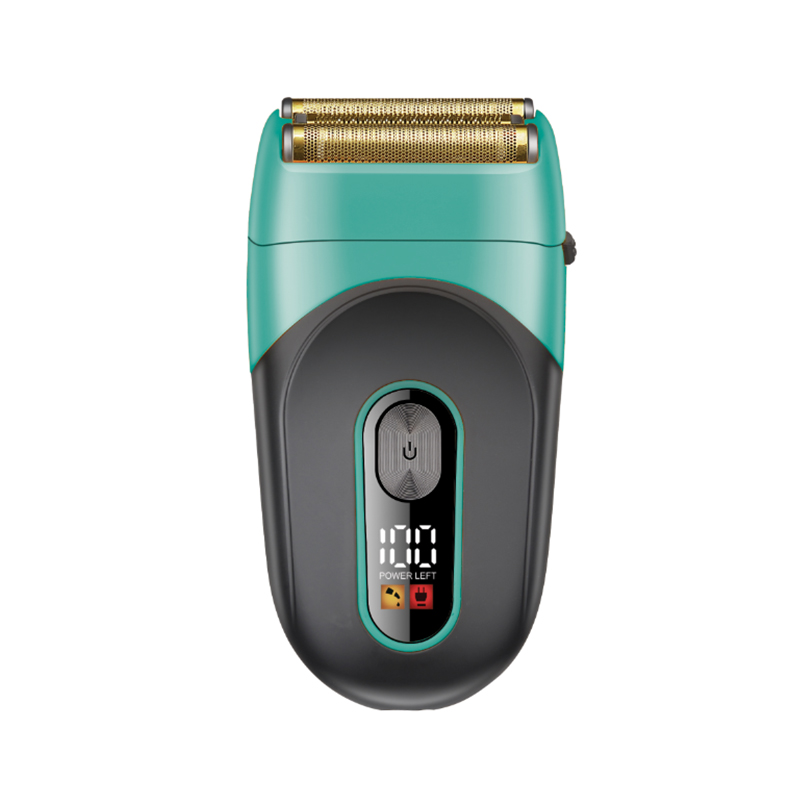 LT-863 Close-Fitting Skin-Safe Reciprocating Everyday Shaver
Electric Shavers
-
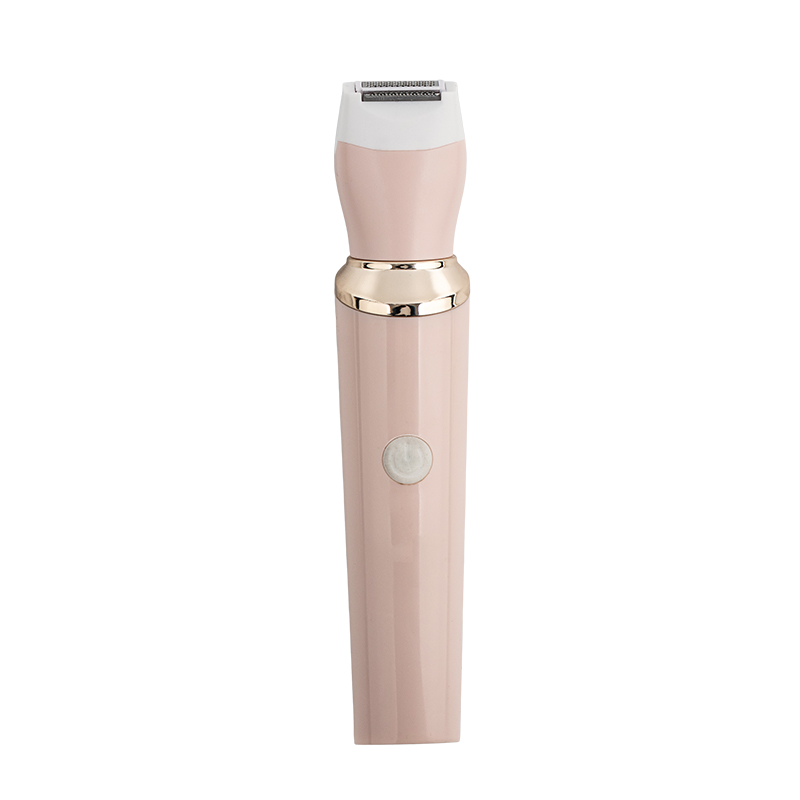 LT-618 Premium 3-in-1 Women Full Body Smooth Shaver
Nose Hair Trimmer
Shaver Cleaning Station Base
-- Steady & Reliable Manufacturer --
Overview
A shaver cleaning station base is a small dock that automatically rinses, dries, lubricates, and charges a compatible shaver between uses, replacing the manual routine of brushing out hair and applying oil by hand with a single button press. This page groups the shavers in this collection that are compatible with or bundled alongside this kind of automated cleaning dock, for buyers who want the shaver at its best each morning without spending extra time on upkeep.
Introduction
Manual cleaning is the standard routine for most electric shavers: rinse the head under water, brush out any remaining hair with a small included brush, and every so often apply a drop of lubricating oil to keep the blades cutting smoothly. It works, and for many users it is a perfectly reasonable few minutes added to a shaving routine. A cleaning station base automates this same sequence, using a small reservoir of cleaning fluid or plain water, a drying cycle, and sometimes an automatic lubrication step, all triggered by placing the shaver in the dock and pressing a single button.
The mechanics behind these stations vary a little by design, but the general process is consistent. The shaver head is submerged briefly in a cleaning cartridge or a small reservoir, agitated to loosen trapped hair and skin cells, then the station cycles clean water or cleaning fluid through the head to flush debris out through the same channels the hair entered. A drying cycle, usually using a small fan or gentle heat, follows to prevent moisture from sitting in the head between uses, which both keeps the blades in better condition and reduces the odor that can build up in a shaver head that is rinsed but not properly dried.
Lubrication is the detail that differentiates a cleaning station from a station that merely dries a shaver after a manual rinse. Some higher-end stations use a cleaning cartridge that includes a small amount of lubricating fluid alongside the cleaning solution, coating the blades lightly during the cycle so a manual oiling step is rarely needed between cartridge changes. Simpler stations skip this and focus purely on rinsing and drying, leaving manual lubrication as an occasional separate step, similar to a standard hand-cleaned shaver.
Charging is usually bundled into the same dock. Because the shaver sits in the station between uses anyway, most stations double as a charging cradle, so the shaver comes out of a cleaning cycle both spotless and fully charged, ready for the next use without any separate step. This is a meaningful convenience improvement over a standalone charging cable, since it removes one more thing to remember, combining cleaning and charging into the same daily habit of simply placing the shaver back in its dock after use.
The main tradeoff with a cleaning station is ongoing cost and countertop space. Cleaning cartridges are a consumable, typically needing replacement every four to eight weeks depending on how often the shaver is used and how the specific cartridge is designed, and this adds a small recurring cost on top of the shaver's initial price. The station itself also takes up more counter space than a simple charging stand, which matters in a smaller bathroom or for anyone who prefers a minimal countertop. For some buyers, the time saved on manual cleaning easily justifies both tradeoffs; for others, particularly those who already have a quick, low-effort manual cleaning habit, a station may add cost without meaningfully improving on what they already do.
Compatibility is worth checking carefully, since cleaning stations are generally matched to a specific shaver head shape and model line rather than being universal. A station bought separately from the shaver it is meant to pair with needs to be confirmed as compatible before purchase, since an ill-fitting head will not seal properly against the cleaning cartridge and the cycle will not clean effectively. Buyers upgrading an older shaver to a newer model with a differently shaped head should not assume an existing cleaning station will continue to work with the replacement.
Hygiene is a genuine benefit worth calling out beyond simple convenience. A shaver head that is rinsed by hand can still retain trapped skin cells and moisture in small crevices that a quick rinse under a tap does not fully reach, particularly around the base of the blades. A cleaning station's more thorough flush-and-dry cycle tends to reach these areas more consistently than manual rinsing alone, which can translate into a cleaner-feeling shave and, over time, blades that stay sharper for longer since they are less exposed to residual moisture and debris between uses.
This page brings together the shavers in the collection built to work with this kind of automated cleaning dock, whether sold as a bundle or as a compatible standalone accessory, for anyone who has decided the convenience of automated cleaning outweighs the added cost and counter space it requires.
It's also worth considering how a cleaning station fits into a household with more than one shaver user. In a shared bathroom, a station removes the awkwardness of one person's shaver sitting uncleaned or the responsibility of cleaning falling unevenly between users, since the automated cycle handles it consistently regardless of who used the shaver last. This can be a small but genuine quality-of-life improvement in busy households where manual cleaning steps are the first thing to get skipped during a rushed morning.
Environmental and disposal considerations are worth a brief mention for anyone who cares about the ongoing consumable aspect of these stations. Used cleaning cartridges typically need to be disposed of according to local guidelines rather than general household recycling, since they can contain a mix of cleaning solution, trapped hair, and skin residue. It's worth checking the specific disposal instructions that come with a given cartridge brand rather than assuming standard recycling applies.
For anyone deciding between a cleaning station and a simple manual routine, the honest answer often comes down to personal habits rather than which option is objectively better. A person who already reliably rinses and brushes their shaver after every use may see only a modest hygiene improvement from a station, mostly around convenience and combined charging. Someone who tends to skip manual cleaning steps on busy mornings, on the other hand, often sees a more meaningful real-world improvement in shaver hygiene and longevity simply because the automated cycle removes the excuse to skip it.
In the end, a cleaning station is best thought of as a convenience and consistency upgrade layered on top of a shaver that still needs to perform well on its own fundamentals, cutting comfort, battery life, and build quality, which remains the standard every model in this collection is measured against regardless of cleaning station compatibility.
Anyone setting one up for the first time should also expect a short adjustment period while getting used to the placement routine and cartridge replacement schedule, but most users report the habit becomes automatic within the first couple of weeks, at which point the daily time savings become the main thing noticed rather than any remaining friction from the new routine.
A brief final note: pairing the station consistently with the same docking spot each day, rather than an inconsistent location, tends to reinforce the habit fastest.
If you are interested in this product, please complete the following information submitted to us, we will arrange experts to contact you as soon as possible!
Specification
| Parameter | Details |
|---|---|
| Cleaning Cycle | Rinse, Dry, Optional Auto-Lubrication |
| Cycle Time | Approx. 5-10 Minutes |
| Cartridge Life | Approx. 4-8 Weeks Per Cartridge |
| Charging Function | Doubles As Charging Dock |
| Compatibility | Matched To Specific Shaver Head Shape |
| Blade Type (Shaver) | Foil Or Rotary, Stainless Steel |
| Waterproof Rating (Shaver) | IPX7, Wet & Dry Use |
| Run Time (Shaver) | Up To 60 Minutes Per Charge |
| Net Weight (Shaver Only) | Approx. 140-170g |
Application
- Automated Daily Cleaning: Removes the need to manually rinse and brush the head after every shave.
- Combined Charging And Cleaning: The shaver comes out ready to use, both clean and charged, in a single step.
- Consistent Hygiene: Reaches areas around the blade base more thoroughly than a quick manual rinse.
- Reduced Manual Lubrication: Select stations apply lubricant automatically during the cleaning cycle.
- Countertop Charging Display: Functions as a visible, always-ready charging stand between uses.
Advantages
- Saves time compared to manual rinsing, brushing, and oiling after each shave.
- Combines cleaning and charging into a single daily habit.
- Reaches trapped hair and residue more thoroughly than a quick hand rinse.
- Automatic drying reduces moisture buildup and associated odor in the head.
- Some stations apply lubricant automatically, reducing manual maintenance steps.
How To Use
- Install The Cleaning Cartridge: Follow the station's instructions to insert a fresh cartridge before first use.
- Place The Shaver In The Dock: Set the shaver head-down into the station after each shave.
- Start The Cleaning Cycle: Press the station's button to begin the rinse and dry sequence.
- Let The Full Cycle Complete: Avoid removing the shaver mid-cycle to ensure proper cleaning and drying.
- Leave The Shaver Docked Between Uses: This keeps it both clean and charged, ready whenever needed.
- Replace The Cartridge On Schedule: Swap in a new cartridge every 4 to 8 weeks based on usage frequency.
Maintenance & Care
The station itself needs some light upkeep alongside its automated cleaning function, mainly around cartridge replacement and keeping the dock area free of dust or residue buildup over time.
- Every 4-8 Weeks: Replace the cleaning cartridge according to the station's indicator light or a regular schedule.
- Monthly: Wipe down the exterior of the station to remove dust or any residue from the cleaning cycle.
- Occasionally: Check the shaver head directly for any trapped hair the automated cycle may have missed.
- Every 12-18 Months: Replace the shaver's foil or blade set as with any standard shaver in this range.
- Placement: Keep the station on a stable, level surface away from direct water spray for reliable operation.
About Laituo
Laituo Electrical Appliance
Read More
Yuyao Laituo Electrical Appliance Co., Ltd. is rooted in Yuyao, known as the Hometown of Moulds. Leveraging the complete local electronic manufacturing industrial chain, the company focuses on three core product categories: hair clippers, electric shavers and body trimmers. It is a modern personal care electrical enterprise integrating R&D, production and sales. As China Shaver Cleaning Station Base Manufacturers and Shaver Cleaning Station Base Factory
the company covers an area of 1,000 square meters, with nearly 100 employees, fully automated production lines and precision testing equipment. It boasts full-process production capabilities ranging from design and development to finished product assembly.
Adhering to the philosophy of Quality as the Foundation, Technology as the Empowerment, the company keeps advancing personal grooming technology. Its Shaver Cleaning Station Base adopt core configurations such as floating cutter heads and intelligent power regulation, balancing shaving efficiency and skin comfort. All products have passed CE and RoHS certifications, establishing a solid quality guarantee system.
With independent export rights, its products are sold to more than 30 countries and regions across Europe, America, South America and beyond, winning wide recognition from global customers.
In the future, Laituo Electrical will continue to focus on demands of personal grooming scenarios. Through strict quality control and innovative R&D, it will build a more competitive product portfolio, striving to become a preferred partner in the global personal care electrical appliance industry.
CHOOSE US
Why Laituo
-
 Mature Product Platform
Based on a mature architecture, development risks are reduced.
-
 Stable Production Capacity
Standardized assembly processes ensure batch consistency.
-
 Flexible customization support
Supports customization of logo, appearance, and configuration.
-
 Workflow
From sample to mass production, each step is clearly defined and controllable.