
 русский
 Français
 Español
 Deutsch
 عربى
عربى-
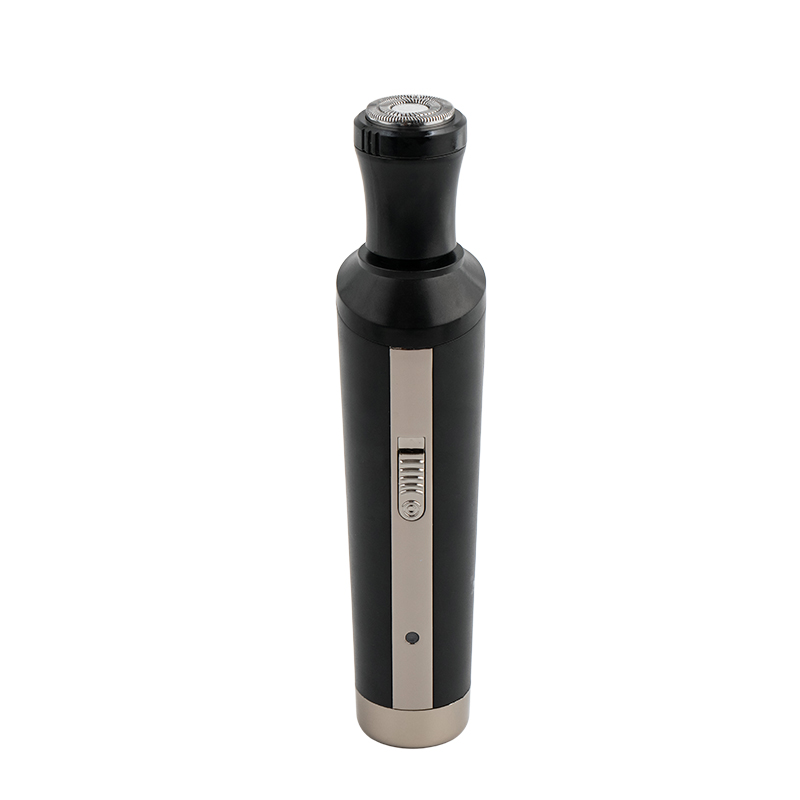 LT-616M Multifunctional Men's Grooming Trimmer
Nose Hair Trimmer
Nose Trimmer Battery Powered
-- Steady & Reliable Manufacturer --
Overview
A battery-powered nose trimmer uses standard disposable batteries, typically AA or AAA cells, rather than an internal rechargeable battery, offering a simple, widely compatible power source with no charging cable to manage. This page groups the models in this collection built around this traditional battery format, for buyers who prefer the simplicity of swappable batteries over a charging routine.
Introduction
Battery-powered trimmers represent the more traditional approach to powering this category of device, relying on easily replaceable disposable batteries rather than a built-in rechargeable cell. This design has genuine advantages that keep it relevant even as rechargeable models have become more common across personal care electronics generally, particularly around simplicity, universal battery availability, and the complete absence of any charging routine to remember.
Availability is one of the more practical benefits of this format. AA and AAA batteries are sold nearly everywhere, from convenience stores to gas stations to hotel gift shops, meaning a dead battery can typically be replaced within minutes almost anywhere, unlike a rechargeable model that requires access to a USB power source and enough time for a full charge cycle. This makes battery-powered trimmers a genuinely low-friction option for situations where charging access can't be assumed.
Simplicity of operation extends to storage as well. A battery-powered trimmer can sit unused for months without any concern about a rechargeable battery slowly draining or degrading from disuse, since the battery can simply be removed if the trimmer won't be used for an extended period, then reinserted whenever needed again. This makes it a practical choice for a backup trimmer kept in a travel bag, a car glovebox, or a guest bathroom that sees only occasional use.
The tradeoff worth understanding is the ongoing cost and environmental impact of disposable batteries over the trimmer's lifespan, compared to a rechargeable model's higher upfront cost but no recurring battery expense. For a device used only occasionally, this tradeoff tends to favor battery power, since the total number of batteries consumed over years of light use remains modest. For a device used daily as part of a regular routine, the recurring battery cost adds up more noticeably over time, which is worth factoring in when weighing this format against a rechargeable alternative.
Compatibility with rechargeable AA or AAA batteries offers a practical middle ground worth mentioning for anyone who likes the flexibility of a battery-powered device but wants to reduce disposable battery waste. Most battery-powered trimmers work perfectly well with rechargeable cells of the correct size and voltage, letting a buyer get the storage and availability benefits of a swappable battery format while still avoiding a steady stream of single-use batteries headed for disposal.
For anyone deciding between this format and a rechargeable model, it's worth thinking honestly about actual usage frequency and storage habits. A trimmer used daily as part of a consistent routine tends to favor rechargeable power for long-term cost efficiency, while a trimmer kept as an occasional backup, a travel spare, or a device in a rarely used guest bathroom tends to favor the simplicity and shelf-stability of standard disposable batteries. This page brings together the trimmers built around this traditional battery format, distinct from the rechargeable models found elsewhere in the collection.
If you are interested in this product, please complete the following information submitted to us, we will arrange experts to contact you as soon as possible!
Specification
| Parameter | Details |
|---|---|
| Power Source | AA Or AAA Disposable Batteries |
| Battery Life | Weeks To Months Of Typical Use Per Set |
| Blade Design | Rounded, Enclosed Rotating Blade |
| Blade Material | Stainless Steel |
| Waterproof Rating | Washable Head (Select Models) |
| Net Weight | Approx. 40-70g |
Application
- Occasional Or Backup Use: No concern about a rechargeable battery draining from disuse.
- Travel With Uncertain Charging Access: Replacement batteries are widely available almost anywhere.
- Guest Bathroom Or Car Glovebox: Suited to devices that sit unused for extended periods.
- Buyers Preferring Simplicity: No charging cable or routine to manage.
Advantages
- Replacement batteries are widely available almost anywhere.
- No charging routine or cable to manage.
- Can sit unused for extended periods without battery degradation concerns.
- Simple, low-friction power source for occasional or backup use.
How To Use
- Insert Fresh Batteries: Load the correct battery size before first use.
- Power On Before Inserting: Turn the trimmer on before bringing it near the nostril.
- Trim Gently With Small Motions: Guide the rounded head through hair without forcing it.
- Clean After Use: Tap out or rinse loose hair depending on the model's rating.
- Remove Batteries For Extended Storage: Take batteries out if the trimmer won't be used for a long period.
Maintenance & Care
Alongside the usual blade cleaning routine, a couple of battery-specific habits help keep this format working reliably.
- After Each Use: Tap out or rinse loose hair depending on the model's washable rating.
- Weekly: Brush out any remaining trapped hair from the blade slots.
- Extended Storage: Remove batteries if the trimmer won't be used for several months.
- Every 12-18 Months: Replace the blade head once cutting performance declines.
About Laituo
Laituo Electrical Appliance
Read More
Yuyao Laituo Electrical Appliance Co., Ltd. is rooted in Yuyao, known as the Hometown of Moulds. Leveraging the complete local electronic manufacturing industrial chain, the company focuses on three core product categories: hair clippers, electric shavers and body trimmers. It is a modern personal care electrical enterprise integrating R&D, production and sales. As China Nose Trimmer Battery Powered Manufacturers and Nose Trimmer Battery Powered Factory
the company covers an area of 1,000 square meters, with nearly 100 employees, fully automated production lines and precision testing equipment. It boasts full-process production capabilities ranging from design and development to finished product assembly.
Adhering to the philosophy of Quality as the Foundation, Technology as the Empowerment, the company keeps advancing personal grooming technology. Its Nose Trimmer Battery Powered adopt core configurations such as floating cutter heads and intelligent power regulation, balancing shaving efficiency and skin comfort. All products have passed CE and RoHS certifications, establishing a solid quality guarantee system.
With independent export rights, its products are sold to more than 30 countries and regions across Europe, America, South America and beyond, winning wide recognition from global customers.
In the future, Laituo Electrical will continue to focus on demands of personal grooming scenarios. Through strict quality control and innovative R&D, it will build a more competitive product portfolio, striving to become a preferred partner in the global personal care electrical appliance industry.
CHOOSE US
Why Laituo
-
 Mature Product Platform
Based on a mature architecture, development risks are reduced.
-
 Stable Production Capacity
Standardized assembly processes ensure batch consistency.
-
 Flexible customization support
Supports customization of logo, appearance, and configuration.
-
 Workflow
From sample to mass production, each step is clearly defined and controllable.