
 русский
 Français
 Español
 Deutsch
 عربى
عربى-
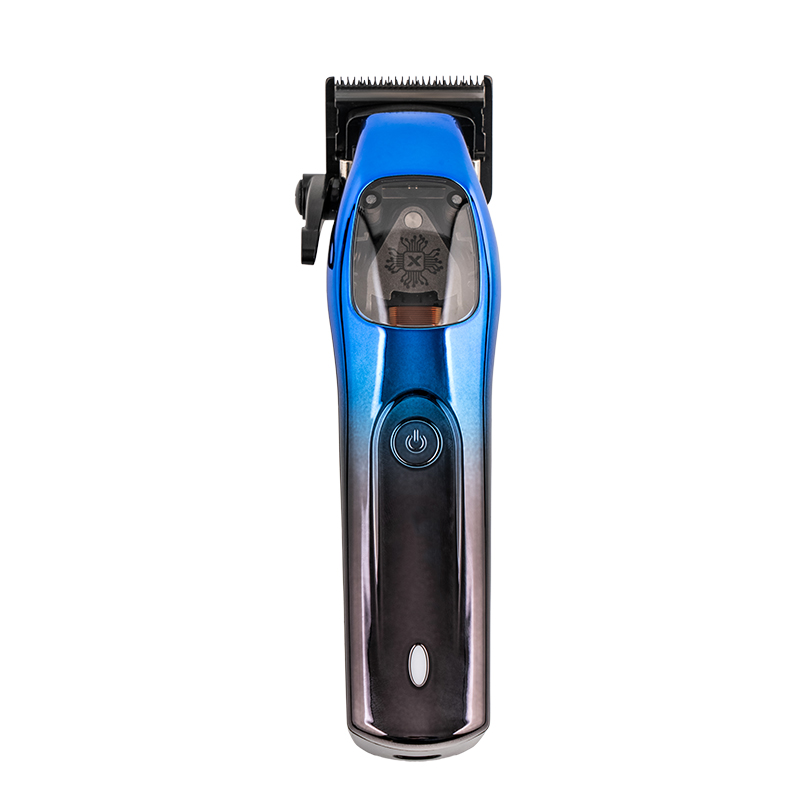 LT-757 Family Smart Hair Clipper
Electric Hair Clippers
-
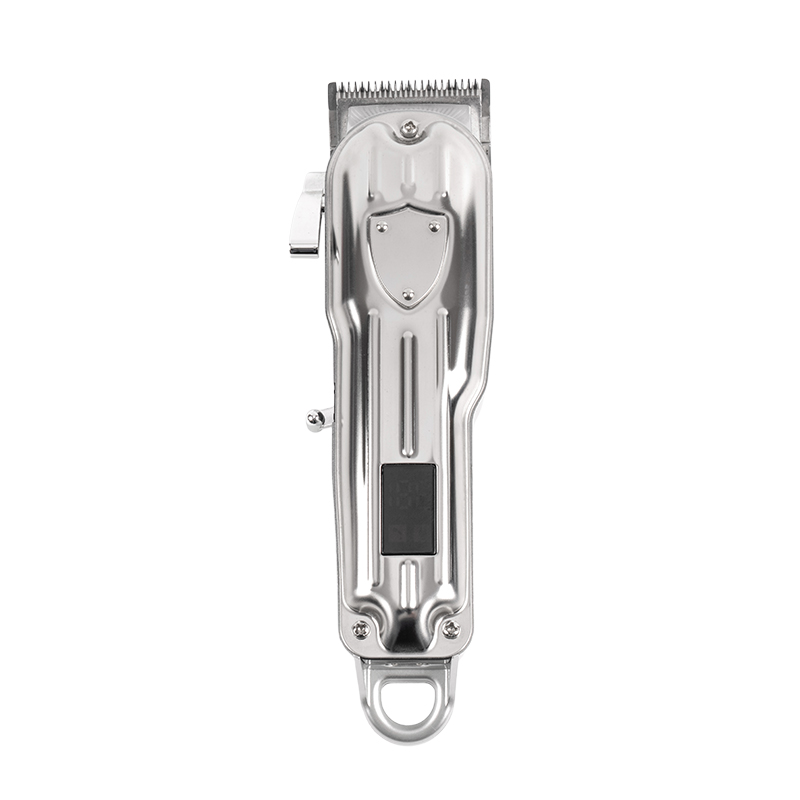 LT-1258 Precision Blade Hair Clipper
Electric Hair Clippers
-
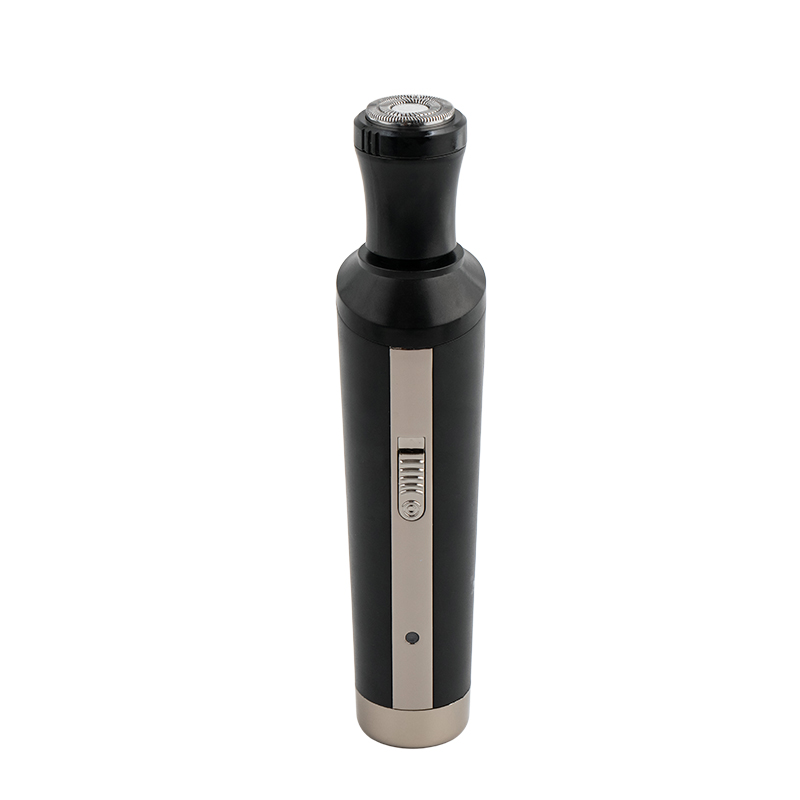 LT-616M Multifunctional Men's Grooming Trimmer
Nose Hair Trimmer
-
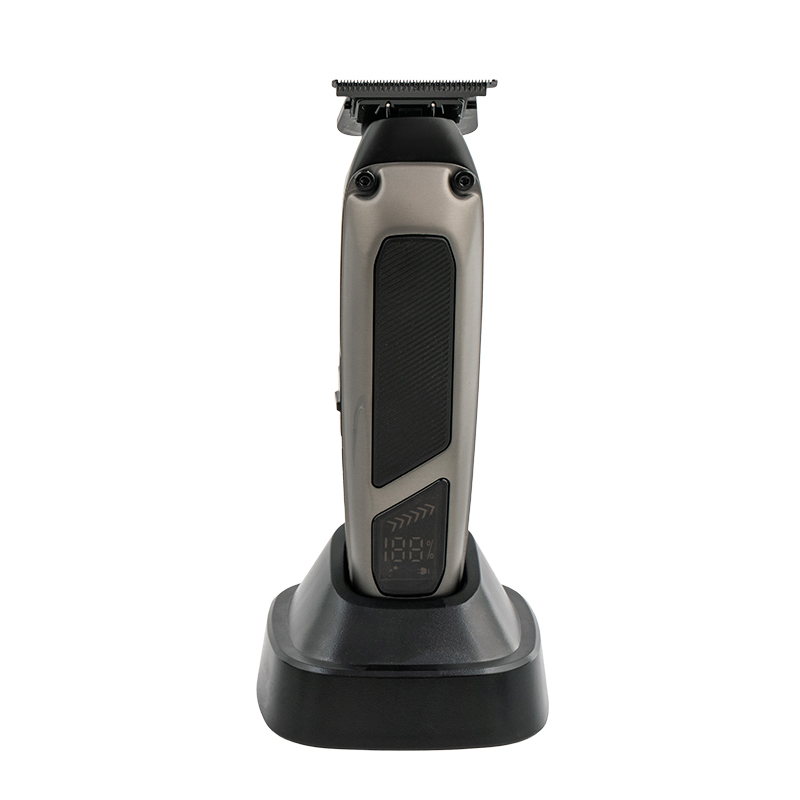 LT-1217 Efficient Quiet Cutting Electric hair clippers
Electric Hair Clippers
-
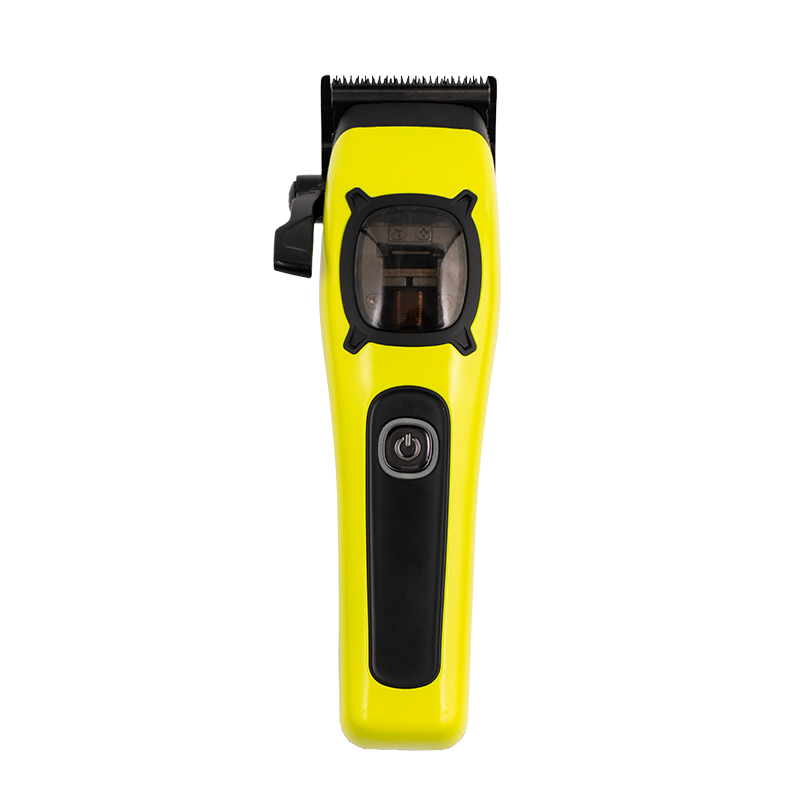 LT-761 Professional Electric hair clippers For Home
Electric Hair Clippers
-
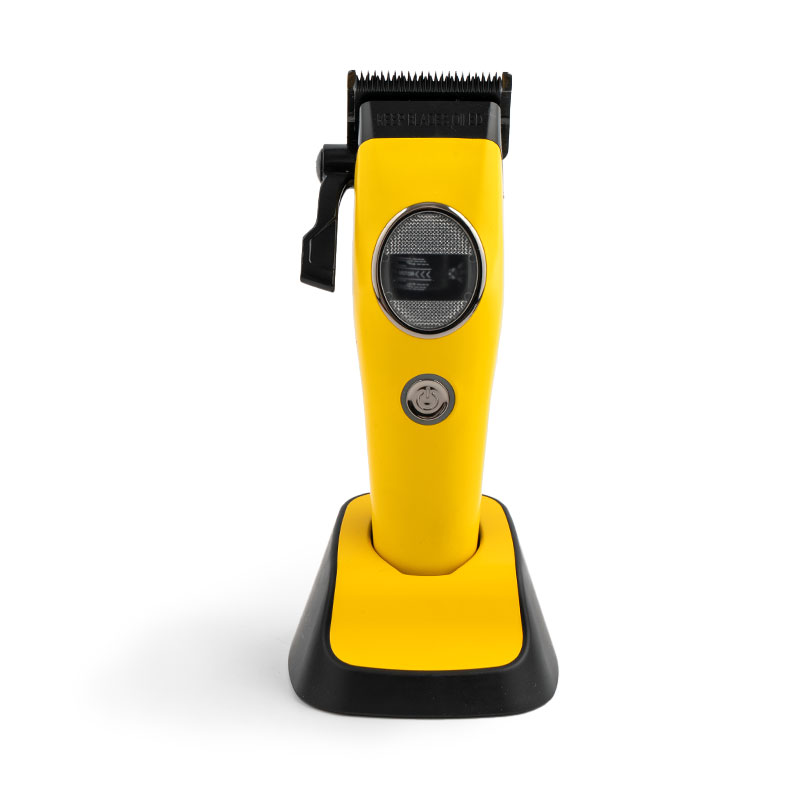 LT-714A Powerful Outer Rotor Motor Electric hair clippers
Electric Hair Clippers
Rechargeable Nose Hair Trimmer
-- Steady & Reliable Manufacturer --
Overview
A rechargeable nose hair trimmer uses a built-in lithium-ion battery charged via USB rather than relying on disposable batteries, removing the recurring cost and occasional inconvenience of running out of battery power with no replacements on hand. This page groups the rechargeable models in this collection, for buyers who prefer the long-term convenience of charging over managing disposable batteries.
Introduction
Nose hair trimmers have traditionally relied on small disposable batteries, typically AA or AAA cells, which work reliably but come with a small recurring cost and the occasional frustration of reaching for the trimmer only to find the battery has died with no replacement immediately available. A rechargeable design addresses this directly, using an internal battery that can be topped up via a USB cable, similar to how most other small personal electronics are charged today.
Cost savings accumulate gradually but genuinely over the trimmer's lifespan. While a rechargeable trimmer typically costs somewhat more upfront than a battery-powered equivalent, it avoids the ongoing cost of replacement batteries entirely, and for a device used regularly over several years, this can meaningfully offset or even exceed the initial price difference, particularly for anyone who was previously buying batteries frequently for a battery-powered model.
Charging convenience is arguably the bigger practical benefit for most buyers, though. A USB-rechargeable trimmer can be topped up from the same charger, power bank, or laptop already used for a phone or other small electronics, rather than needing a stock of the correct battery size on hand. This matters particularly for travel, where packing spare batteries is one more thing to remember, while a USB cable is something most travelers are already carrying regardless.
Runtime per charge is generally more than sufficient for this category's actual usage pattern, since nose hair trimming sessions are brief, typically under a minute, meaning even a modest battery capacity supports weeks or months of regular use before needing a recharge. This is different from categories like shavers or clippers where runtime per session is a bigger factor, since nose trimmers see comparatively minimal battery drain per individual use.
Environmental considerations factor into some buyers' preference for rechargeable over disposable-battery models as well, since avoiding a steady stream of used disposable batteries reduces both cost and environmental impact over the trimmer's working life. This isn't the primary reason most buyers choose this category, but it's a genuine secondary benefit worth mentioning for anyone weighing the choice.
Reliability over time is worth understanding as well, since the built-in battery in a rechargeable design is a component that, unlike a disposable battery, cannot simply be swapped out with a fresh one from a drawer if something goes wrong. In practice, this is rarely an issue given how light the actual usage demand is on the battery for this specific category, but it's part of why choosing a model from a manufacturer with a reasonable warranty period is worth a bit of extra attention here compared to a simpler battery-powered trimmer.
For anyone currently using a disposable-battery trimmer and considering whether to switch, the decision often comes down to how often battery replacement has actually been a point of friction in practice. If dead batteries with no replacement on hand have been a recurring annoyance, a rechargeable model directly solves that specific problem. If battery changes have never been a real issue, the switch is more about long-term cost savings and charging convenience than solving an active pain point.
If you are interested in this product, please complete the following information submitted to us, we will arrange experts to contact you as soon as possible!
Specification
| Parameter | Details |
|---|---|
| Battery Type | Built-In Lithium-Ion |
| Charging | USB Or USB-C Cable |
| Full Charge Time | Approx. 1-2 Hours |
| Runtime Per Charge | Weeks To Months Of Typical Use |
| Blade Design | Rounded, Enclosed Rotating Blade |
| Waterproof Rating | Washable Head |
Application
- Regular, Ongoing Use: Avoids recurring battery replacement costs over time.
- Travel: Charges from the same sources already carried for phones and other electronics.
- Avoiding Dead-Battery Situations: Removes the risk of being caught without a spare battery.
- Reduced Environmental Impact: Avoids a steady stream of disposable batteries over the trimmer's life.
Advantages
- Avoids recurring costs and hassle of disposable battery replacement.
- Charges from the same USB sources used for other everyday electronics.
- Runtime per charge comfortably covers weeks or months of typical use.
- Reduces environmental impact compared to disposable battery models.
How To Use
- Charge Fully Before First Use: Connect the USB cable until fully charged.
- Power On Before Inserting: Turn the trimmer on before bringing it near the nostril.
- Trim Gently With Small Motions: Guide the rounded head through hair without forcing it.
- Clean After Use: Tap out or rinse loose hair depending on the model's rating.
- Recharge As Needed: Top up via USB whenever convenient, well before the battery fully depletes.
Maintenance & Care
Beyond the usual blade cleaning routine, a couple of extra habits help preserve the rechargeable battery's long-term health.
- After Each Use: Tap out or rinse loose hair depending on the model's washable rating.
- Weekly: Brush out any remaining trapped hair from the blade.
- Charging Habits: Avoid leaving it on the charger continuously for weeks at a time.
- Every 12-18 Months: Replace the blade head once cutting performance declines.
About Laituo
Laituo Electrical Appliance
Read More
Yuyao Laituo Electrical Appliance Co., Ltd. is rooted in Yuyao, known as the Hometown of Moulds. Leveraging the complete local electronic manufacturing industrial chain, the company focuses on three core product categories: hair clippers, electric shavers and body trimmers. It is a modern personal care electrical enterprise integrating R&D, production and sales. As China Rechargeable Nose Hair Trimmer Manufacturers and Rechargeable Nose Hair Trimmer Factory
the company covers an area of 1,000 square meters, with nearly 100 employees, fully automated production lines and precision testing equipment. It boasts full-process production capabilities ranging from design and development to finished product assembly.
Adhering to the philosophy of Quality as the Foundation, Technology as the Empowerment, the company keeps advancing personal grooming technology. Its Rechargeable Nose Hair Trimmer adopt core configurations such as floating cutter heads and intelligent power regulation, balancing shaving efficiency and skin comfort. All products have passed CE and RoHS certifications, establishing a solid quality guarantee system.
With independent export rights, its products are sold to more than 30 countries and regions across Europe, America, South America and beyond, winning wide recognition from global customers.
In the future, Laituo Electrical will continue to focus on demands of personal grooming scenarios. Through strict quality control and innovative R&D, it will build a more competitive product portfolio, striving to become a preferred partner in the global personal care electrical appliance industry.
CHOOSE US
Why Laituo
-
 Mature Product Platform
Based on a mature architecture, development risks are reduced.
-
 Stable Production Capacity
Standardized assembly processes ensure batch consistency.
-
 Flexible customization support
Supports customization of logo, appearance, and configuration.
-
 Workflow
From sample to mass production, each step is clearly defined and controllable.